Uneven Skin Tone in Singapore: Products, Facials and Realistic Solutions
Patchy, dull or blotchy skin has several causes, and each responds to something different. Here is how to weigh sunscreen, serums, facials and clinic treatments in Singapore without wasting money.
"Uneven skin tone" is one of the most common skin concerns, and one of the vaguest. It can mean leftover marks from breakouts, a grey-brown shadow across the cheeks, redness around the nose, a darker upper lip, or simply skin that looks flat under office lighting.
Because the phrase covers so many things, people often buy the wrong fix. A brightening serum will not shift redness. A facial will not undo daily sun exposure on the walk to the MRT. And no product changes your natural skin colour, nor should it.
This guide is the wide-angle view: what each route (home products, salon facials and clinic treatments) can realistically do, and how to decide where your money and patience should go. If you want a step-by-step daily routine, our piece on an uneven skin tone routine that does not chase perfection covers that in detail.
First, name what you are actually seeing
Before buying anything, stand by a window in daylight and look closely. Most uneven tone falls into one or more of these groups:
Brown or grey-brown patches on the cheeks, forehead or upper lip, often symmetrical. This may be melasma, which is hormone- and heat-sensitive.
Flat brown dots that darken in the sun: freckles or sun spots.
Brown, purple or pinkish marks where pimples used to be. Brown ones are post-inflammatory hyperpigmentation (PIH); red or pink ones are post-inflammatory erythema, which behaves differently.
Diffuse redness around the nose and cheeks, which may be sensitivity, irritation or rosacea-prone skin.
General dullness, where skin looks flat rather than marked, often from dehydration, a build-up of dead cells or lack of sleep.
Our guide to hyperpigmentation across Singapore skin tones explains why deeper and olive skin tends to mark more easily and hold on to marks for longer. It is worth reading before you try anything aggressive.
The non-negotiable: daily sun protection
Every route below depends on this. Singapore sits near the equator, UV is high all year, and visible light and heat can also worsen pigmentation, especially melasma. If you spend money on serums or facials but skip sunscreen, you are largely paying to fade marks that the sun keeps topping up.
What matters is a sunscreen you will wear generously every morning and reapply when you are outdoors. Some formulas are aimed specifically at pigmentation-prone skin. La Roche-Posay Anthelios UVMune 400 Anti-Dark Spots Fluid SPF50+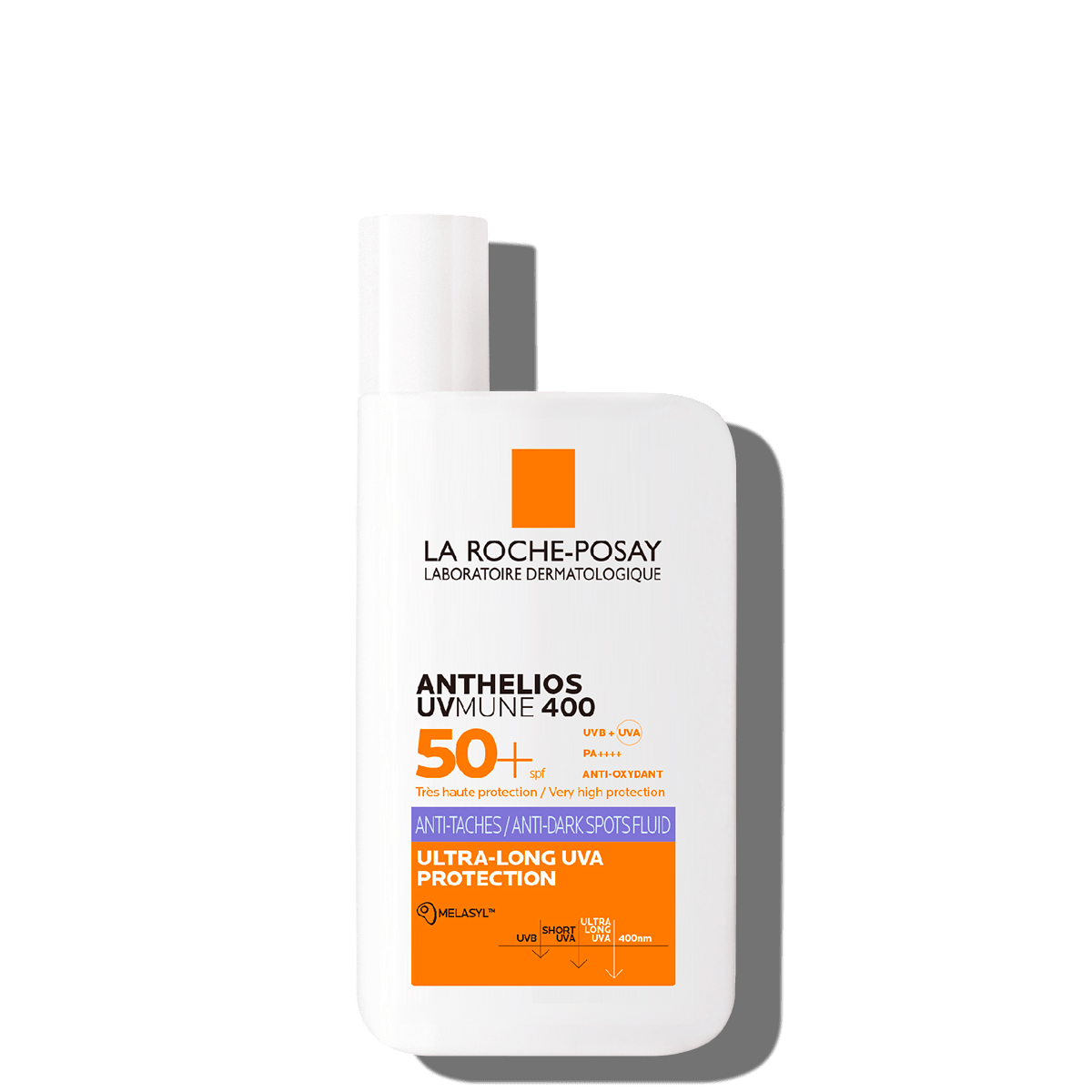 La Roche-PosayLa Roche-Posay Anthelios UVMune 400 Anti-Dark Spots Fluid SPF50+ 50 mLLightweight SPF50+ PA++++ facial sunscreen fluid with Mexoryl 400 and Melasyl.S$52.36 is a light fluid that suits normal to oily skin in humid weather, and Bioderma Photoderm Spot-Age SPF50+
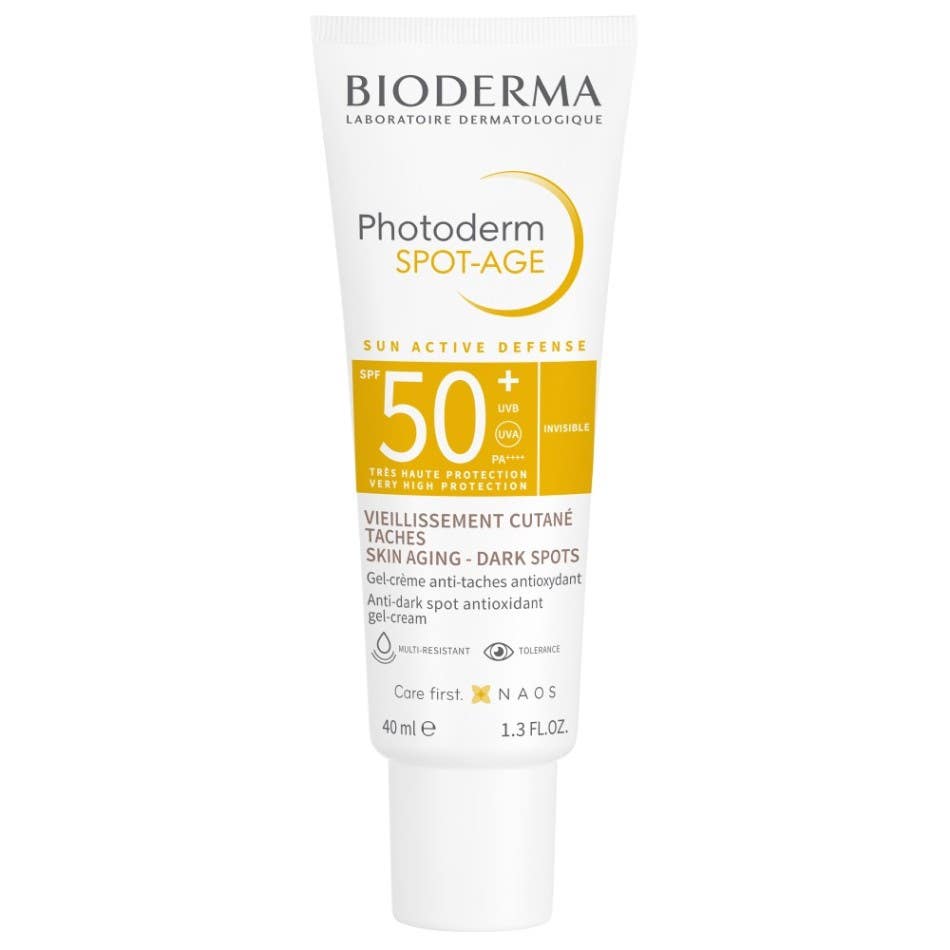 BiodermaBioderma Photoderm Spot-Age SPF50+ 40mlBioderma Photoderm Spot-Age SPF50+, 40ml.S$51.59 is another option designed for people managing spots. A tinted sunscreen can help too, because iron oxides in tinted formulas filter some visible light.
Add a hat, shade and a little planning around midday sun. These are free and genuinely help.
Route one: home products
Home care is slow but cumulative, and it is where most people should start. The main families of ingredients are:
Niacinamide, a gentle all-rounder that may help with blotchiness and oil, and suits most skin types.
Vitamin C, an antioxidant used in the morning under sunscreen, often chosen for dullness.
Tranexamic acid, arbutin and similar ingredients, which target pigment pathways and are popular for stubborn brown patches.
Exfoliating acids such as glycolic acid, which help shed dull surface cells so skin looks more even.
Retinoids, which speed up cell turnover and suit people who are ready for a stronger, slower-to-introduce step.
You do not need all of them. One targeted serum, a moisturiser and sunscreen is a strong routine. For example, the La Roche-Posay Mela B3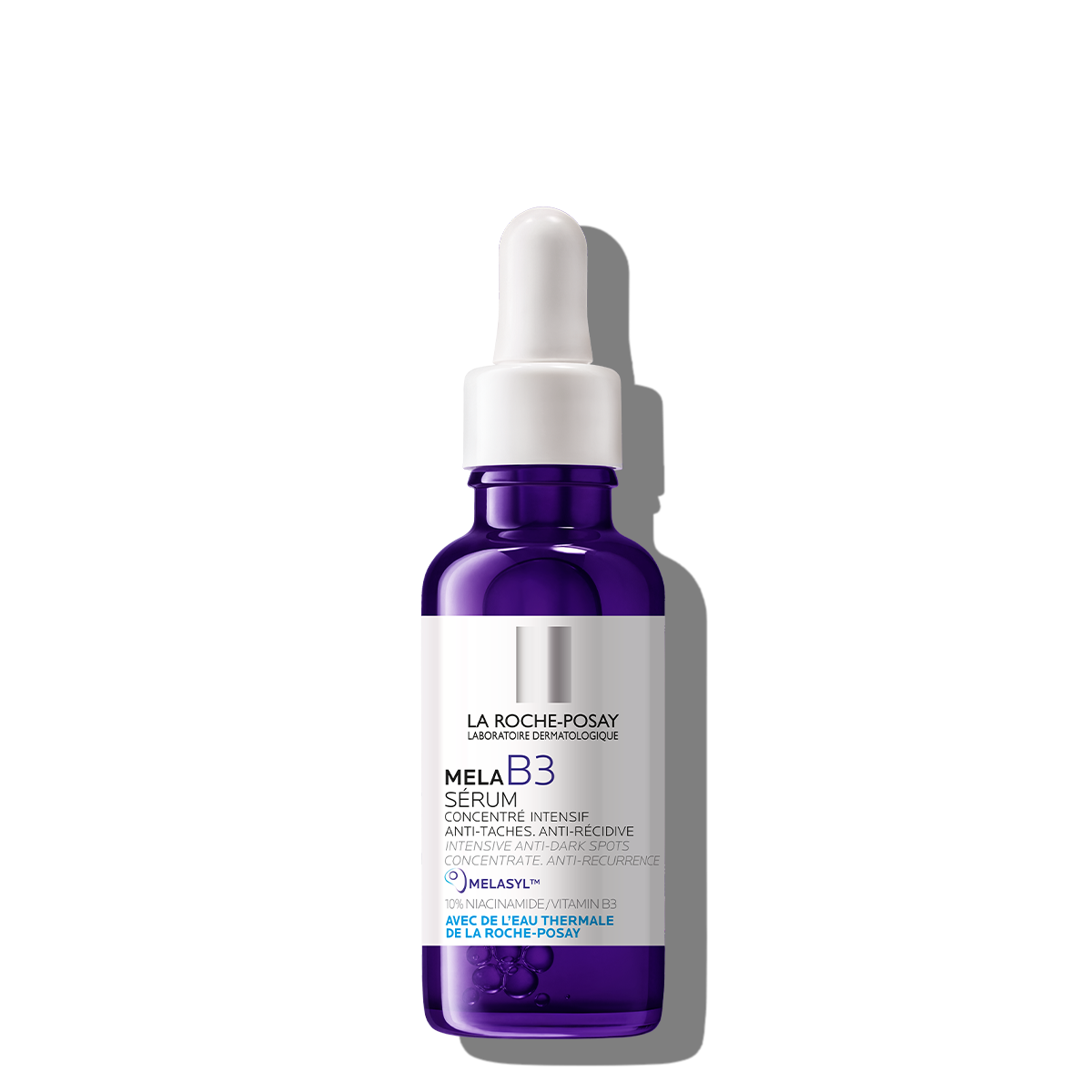 La Roche-PosayLa Roche-Posay Mela B3 Serum Anti-Dark Spots - 30mlLa Roche-Posay Mela B3 Serum Anti-Dark Spots - 30ml is a facial serum in a 30ml pack.S$65.56 range is built around niacinamide for uneven-tone care, while The Ordinary Niacinamide 10% + Zinc 1% Serum
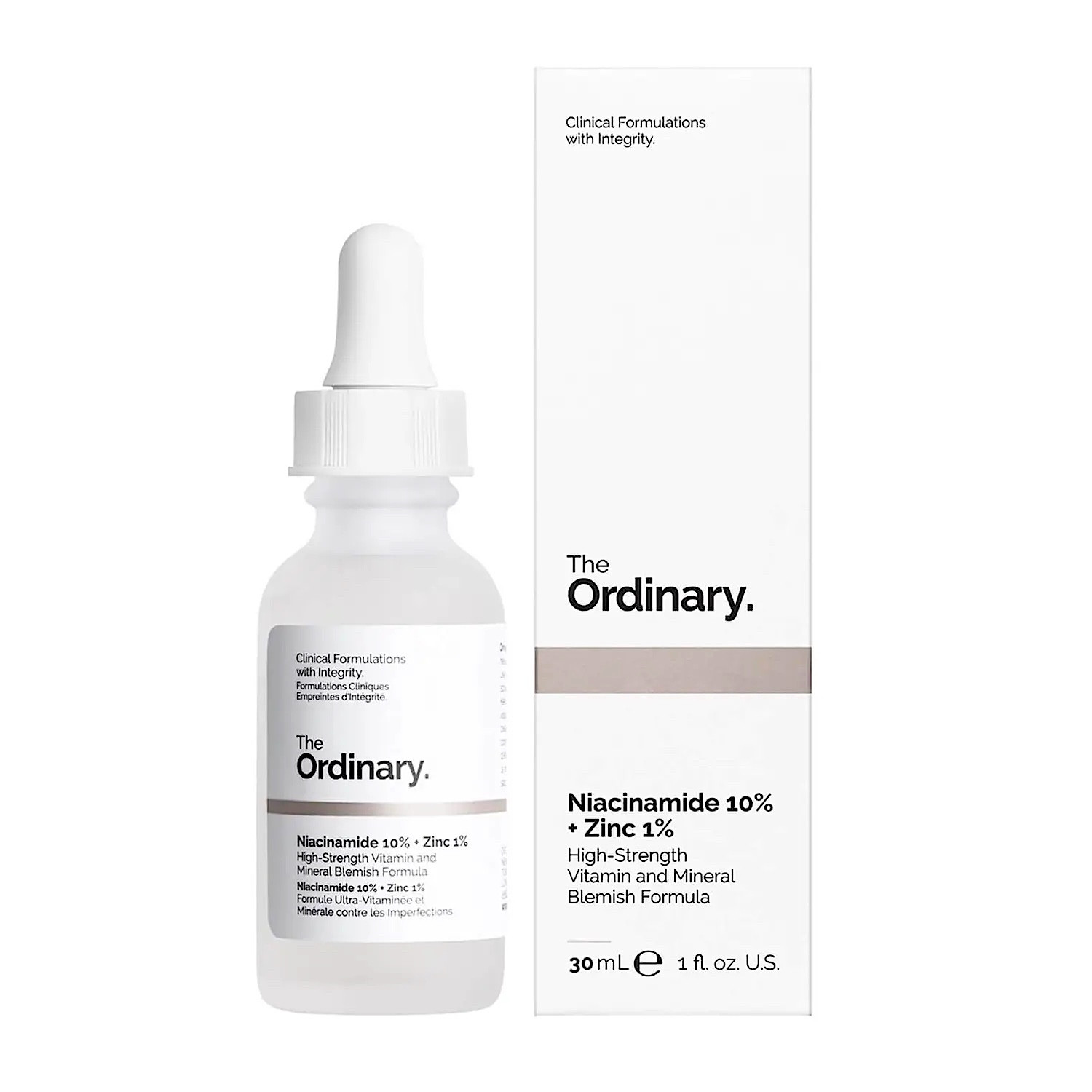 The OrdinaryThe Ordinary Niacinamide 10% + Zinc 1% Serum 30mlThe Ordinary Niacinamide 10% + Zinc 1% Serum 30ml is a 30ml facial serum.S$15.88 is a simple, affordable way to try niacinamide if your skin is also oily.
If dullness is your main issue, a morning vitamin C such as CeraVe Skin Renewing Vitamin C Serum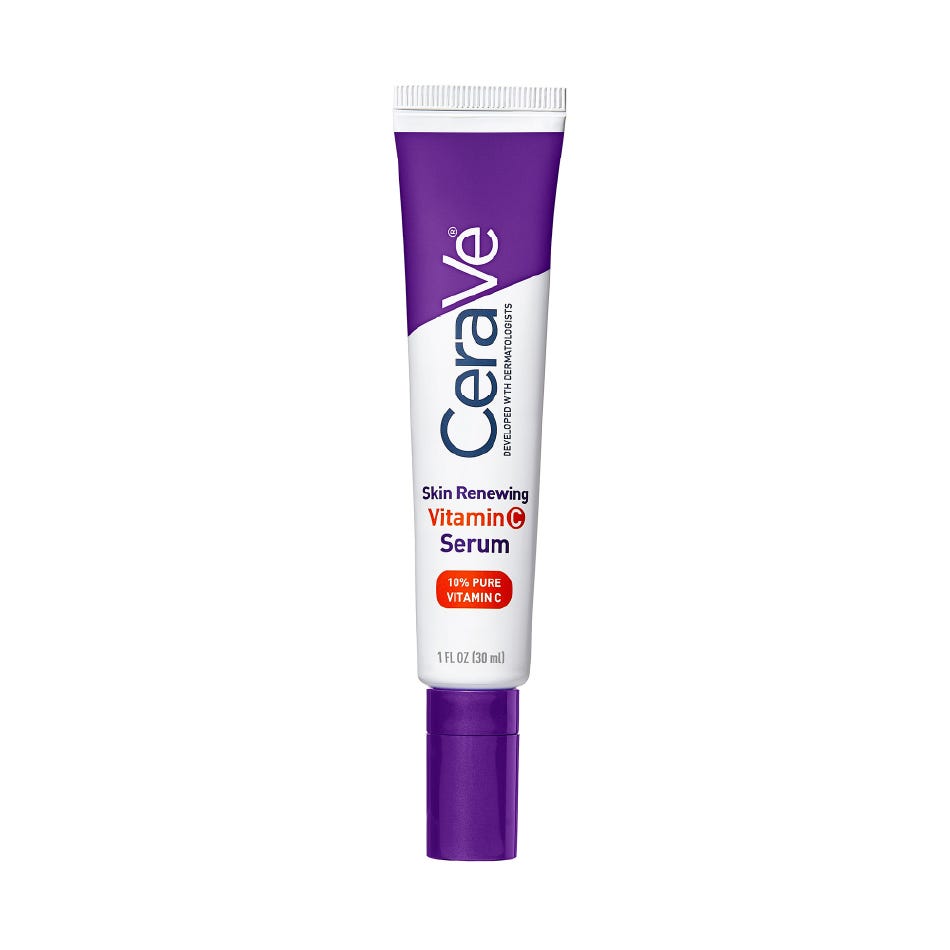 CeraVeCeraVe Skin Renewing Vitamin C Serum - 30mlCeraVe Skin Renewing Vitamin C Serum is a 30ml facial serum with 10% vitamin C.S$39.49 is a sensible choice. People who prefer a lighter, essence-style layer could look at Eucerin Spotless Brightening
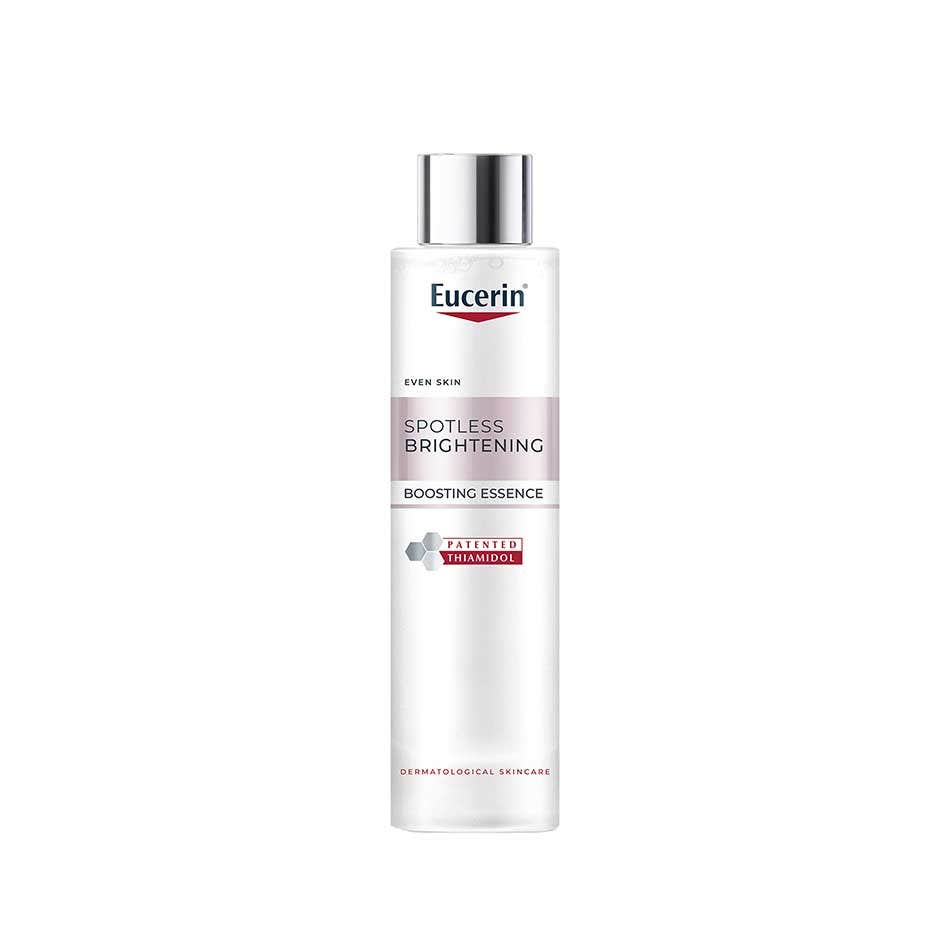 EucerinEucerin Spotless Brightening Boost Essence 100mlEucerin Spotless Brightening Boost Essence 100ml is a 100ml facial essence.S$48.51, and those who like a gentle exfoliating range might try L'Oréal Paris Glycolic Bright
 L'OréalL'Oréal Paris Glycolic Bright Serum 15mlL'Oréal Paris Glycolic Bright Serum 15ml is a facial serum in a 15ml pack.S$18.13, which includes cleansers, serums and creams.
Finish with a plain moisturiser. Irritated skin marks more easily, so keeping the barrier comfortable is part of the treatment, not an extra. Something light like CeraVe Facial Moisturising Lotion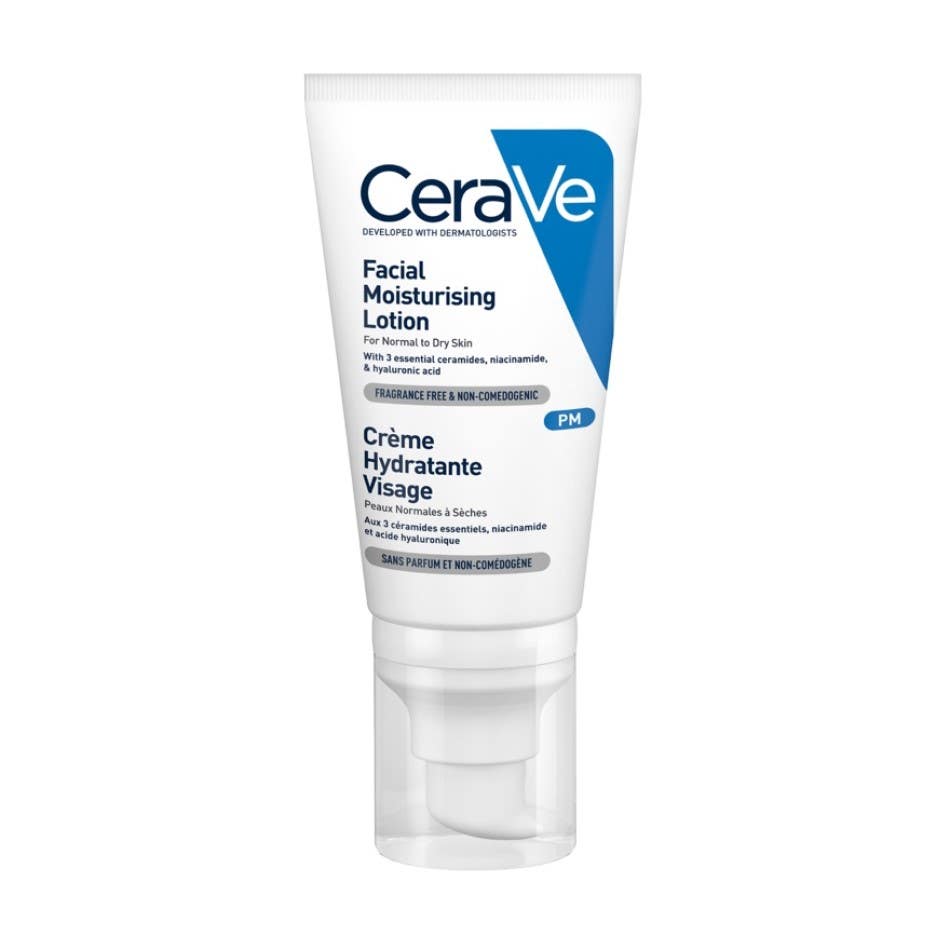 CeraVeCeraVe Facial Moisturising Lotion 52mlCeraVe Facial Moisturising Lotion 52ml is a lightweight daily face moisturiser for normal-to-dry or sensitive-feeling skin.S$26.29 works under sunscreen without feeling heavy.
What to expect from home care
Give any new product 8 to 12 weeks before judging it, and take a photo in the same light every few weeks. Marks fade gradually, and you will not notice day to day. If you have not seen any change after three months of consistent use alongside daily sunscreen, that is your signal to adjust, not to pile on more actives.
Route two: facials at a salon or spa
Facials are popular in Singapore, and a good one can leave skin looking fresher for a few days. Typical services include deep cleansing, extractions, gentle peels, masks and massage.
What a facial can reasonably do:
Give an immediate glow by removing surface dead cells and hydrating the skin.
Help with mild dullness and congestion.
Offer a calm hour, which is not nothing.
What a facial usually cannot do:
Fade established melasma or deep PIH on its own. Monthly sessions cannot outpace daily sun exposure.
Replace your home routine. The effect fades within days to weeks.
A word of caution: aggressive extractions, steam and harsh scrubs can trigger new marks on skin that pigments easily. If you are prone to PIH or melasma, ask the therapist to skip heat and keep extractions minimal, and avoid booking a peel right before a beach weekend. Our guide to skincare after a facial or aesthetic treatment covers aftercare.
Route three: clinic treatments
Doctor-led clinics offer stronger options, such as prescription creams, medical-grade chemical peels and various lasers and light devices. These can produce faster and more visible change for some conditions, particularly sun spots and certain stubborn pigment.
The trade-offs are real:
Cost varies widely depending on the clinic, the device and how many sessions you need. Most pigment treatments need a course, not a single visit.
Downtime and risk. Some lasers and peels can worsen pigmentation in skin that marks easily, especially melasma, if the settings are not right. This is why a proper assessment matters.
Maintenance. Results still depend on sunscreen afterwards. Melasma in particular tends to return without ongoing care.
A clinic route makes most sense if you have tried a consistent home routine for several months without change, if your patches are large or affecting your confidence, or if you are not sure what the marks are.
How to decide where to start
A simple way to think about it:
Everyone: daily sunscreen and a gentle cleanser and moisturiser for at least a month.
Mild unevenness or dullness: add one targeted serum and give it three months.
Stubborn brown patches or marks: consider a tranexamic acid or niacinamide-based routine, and see a doctor if there is no change.
Sun spots or large patches you want gone faster: a dermatology assessment is worth the visit.
Keep a short budget plan: spending a little consistently on sunscreen usually does more than spending a lot occasionally on treatments.
When to see a doctor
Most uneven tone is harmless, but get a spot checked promptly if it is new and changing in size, shape or colour, is raised, bleeds, itches persistently, or looks different from your other marks. A GP or dermatologist can rule out anything that needs medical attention before you treat it cosmetically.
Bottom line
Uneven skin tone is several problems wearing one name. Identify what you have, protect it from the sun every day, and choose one targeted product rather than five. Facials can give a short-term glow, and clinics can speed things up for the right conditions, but both work best on top of a steady home routine rather than instead of one.

