Acne Marks, Melasma or Freckles? Matching the Mark to the Treatment in Singapore
Post-acne marks, melasma and freckles look similar but respond very differently. This decision guide shows which marks home care can handle and when a clinic visit is the better use of your time.
Three people can walk into a pharmacy with "dark spots" and need three different plans. One has brown marks left by last month's breakout. Another has a soft brown shadow across both cheeks that deepens after a hot day. The third has small, scattered dots that multiply after a holiday.
These are post-acne marks, melasma and freckles, and they are not equally responsive to skincare. Getting the match right saves months of frustration and a fair amount of money.
If you are still working out which one you have, start with our guide to telling melasma, freckles and sun spots apart. This article picks up from there and answers the next question: home care or clinic?
The quick decision map
Here is the short version before the detail:
Brown post-acne marks (PIH): home care usually works, given time and sunscreen. Clinic help is optional.
Red or pink post-acne marks: these are a different issue. Calm the skin and be patient; brightening serums do little for them.
Melasma: home care is the foundation and maintenance, but a doctor's input is often worthwhile because it is stubborn and easy to aggravate.
Freckles and sun spots: sunscreen prevents new ones; existing spots often respond better to clinic treatments than to serums.
**Indented or raised acne scars:** these are texture, not colour. Skincare will not fill them, and clinic procedures are the realistic route.
Post-acne marks (PIH): usually a home-care job
PIH is the flat brown, sometimes purplish mark left after a pimple heals. It is especially common in Asian and deeper skin tones and it fades on its own, but often slowly, over several months. Our practical PIH routine for Asian skin covers the step-by-step, and how long dark marks take to fade sets realistic timelines.
What helps:
Stop new breakouts first. Each new pimple creates a new mark, so acne control is the real treatment.
Hands off. Picking deepens and prolongs marks.
Daily sunscreen, so the marks do not darken further.
One pigment-targeting serum. Ingredients such as tranexamic acid, alpha arbutin, niacinamide and vitamin C derivatives are commonly used.
A focused option is The Ordinary Alpha Arbutin 2%+HA Serum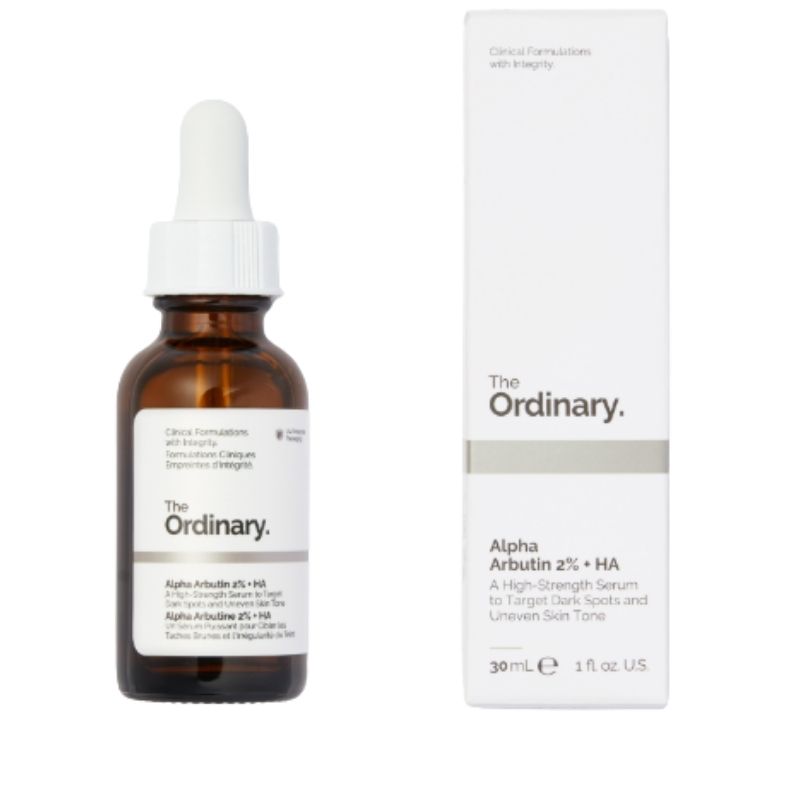 The OrdinaryThe Ordinary Alpha Arbutin 2%+HA Serum 30mlThe Ordinary Alpha Arbutin 2%+HA Serum 30ml is a serum in a 30ml pack.S$25.78, a light serum many people tolerate well. Another popular pick for individual marks is Melano CC Intensive Anti-Spot Essence
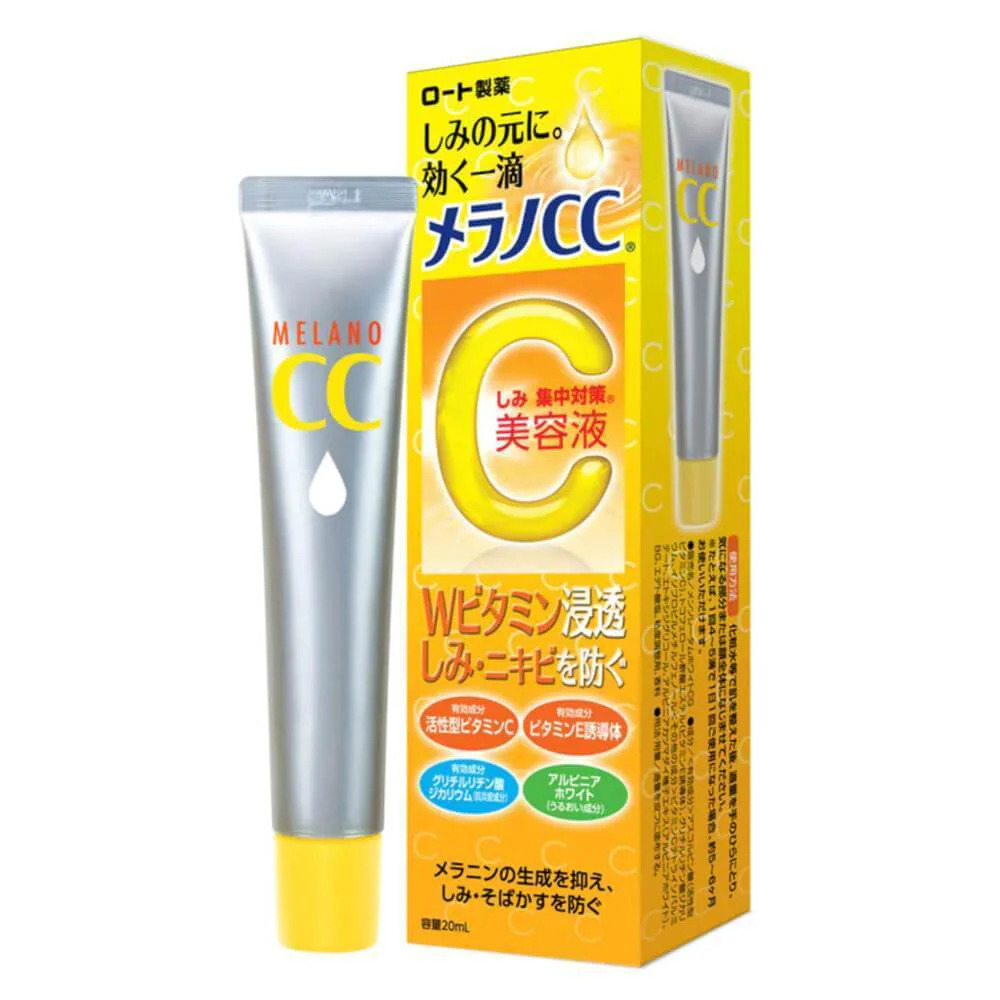 MelanoMelano CC Intensive Anti-Spot Essence 20mlhydrating formula with highly-permeable vitamin c derivative to fade from dark spots and acne scars while controlling the production melanin which causes pigmentations. vitamin E improves blood circulationS$16.45, a small-format Japanese essence you can dab onto spots. Vitamin C formulas can tingle on freshly healed skin, so introduce it slowly.
When PIH needs a clinic
Consider a doctor if marks are still obvious after six months of steady care, or if you keep getting deep, painful breakouts. Treating the acne itself, sometimes with prescription options, usually does more than any mark-fading product.
Red or pink marks: calm, don't brighten
Pinkish or red marks after acne are post-inflammatory erythema, linked to the blood vessels under healing skin rather than pigment. They tend to be more noticeable on fair skin. Brightening serums aimed at pigment will not do much, and strong acids can keep the area irritated and red for longer.
Focus on calming the skin, protecting it from the sun and keeping your routine simple. A soothing, barrier-supporting balm such as La Roche-Posay Cicaplast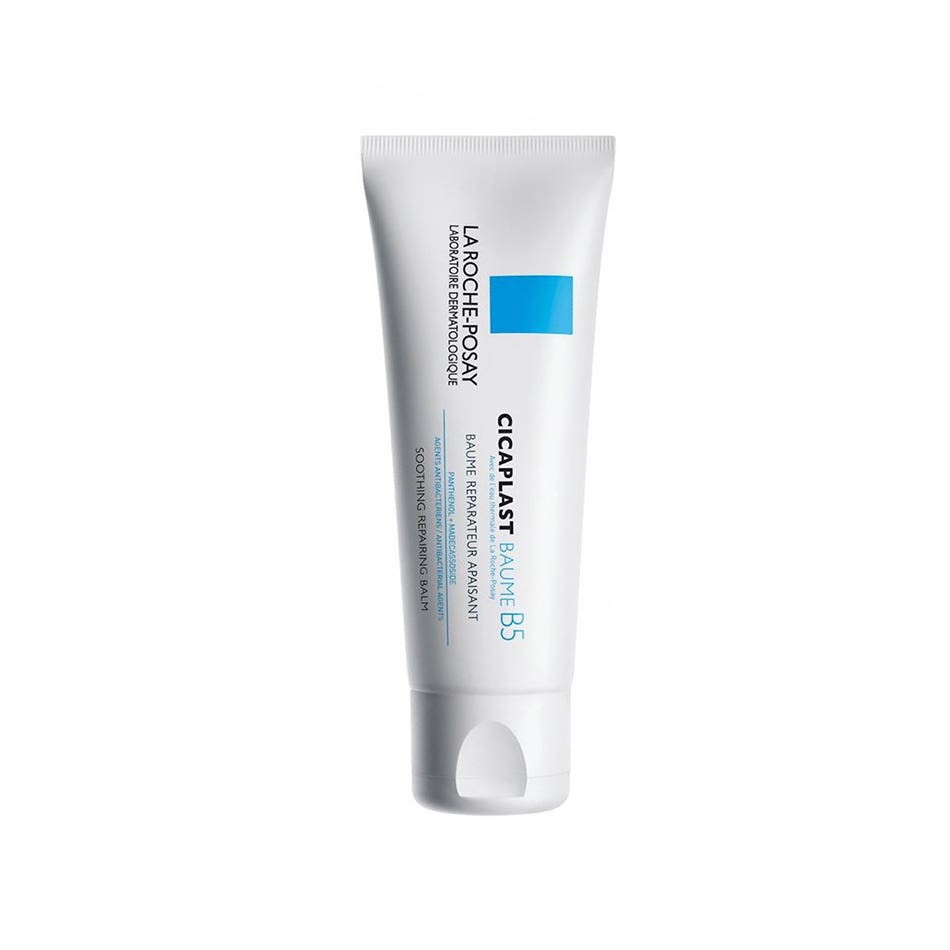 La Roche-PosayLa Roche-Posay Cicaplast Baume B5+ Ultra Repairing Soothing Balm - 40mlLa Roche-Posay Cicaplast Baume B5+ 40ml is a compact balm for dry or irritated-feeling skin routines.S$24.57 at night can make sensitised skin more comfortable while it settles. If redness persists for many months, some clinic treatments target vessels specifically.
Melasma: manage it, don't attack it
Melasma usually shows up as symmetrical, blurry-edged brown patches on the cheeks, forehead, upper lip or jaw. It is linked to hormones, sun, visible light and heat, so it is common in pregnancy, with some contraceptive pills and in people who spend time outdoors. It is also why some people find their patches darken after a hot run or a session in a steamy kitchen.
Melasma is more about long-term control than a one-off fix. Approaches that help:
Rigorous sun protection, ideally a tinted or high-protection sunscreen plus a hat. La Roche-Posay Anthelios UVMune 400 Anti-Dark Spots Fluid SPF50+
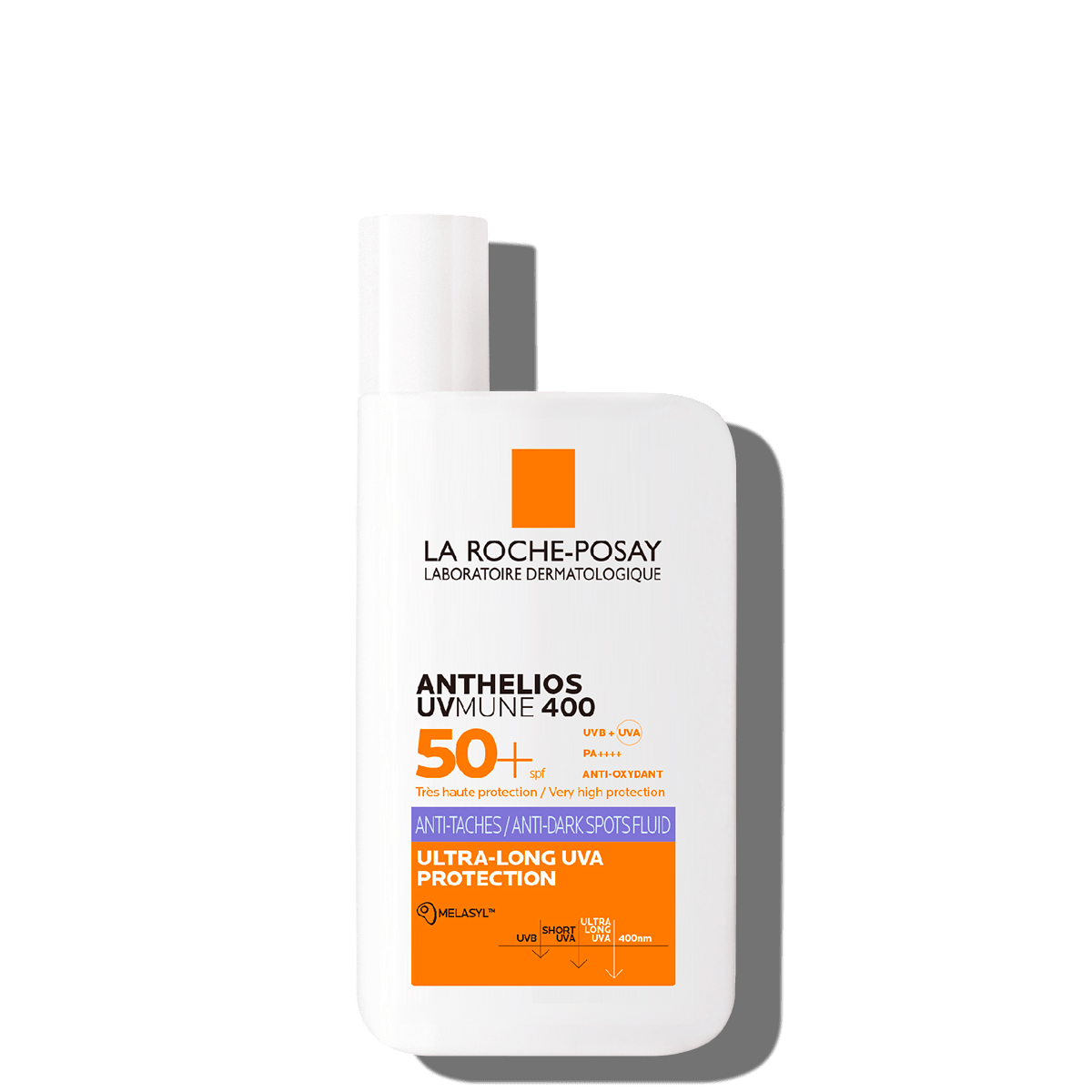 La Roche-PosayLa Roche-Posay Anthelios UVMune 400 Anti-Dark Spots Fluid SPF50+ 50 mLLightweight SPF50+ PA++++ facial sunscreen fluid with Mexoryl 400 and Melasyl.S$52.36 is designed for spot-prone skin and has a light finish for humid days.
Gentle, steady actives. Tranexamic acid is one of the more commonly used topical options. Dr Melaxin TX-Serum
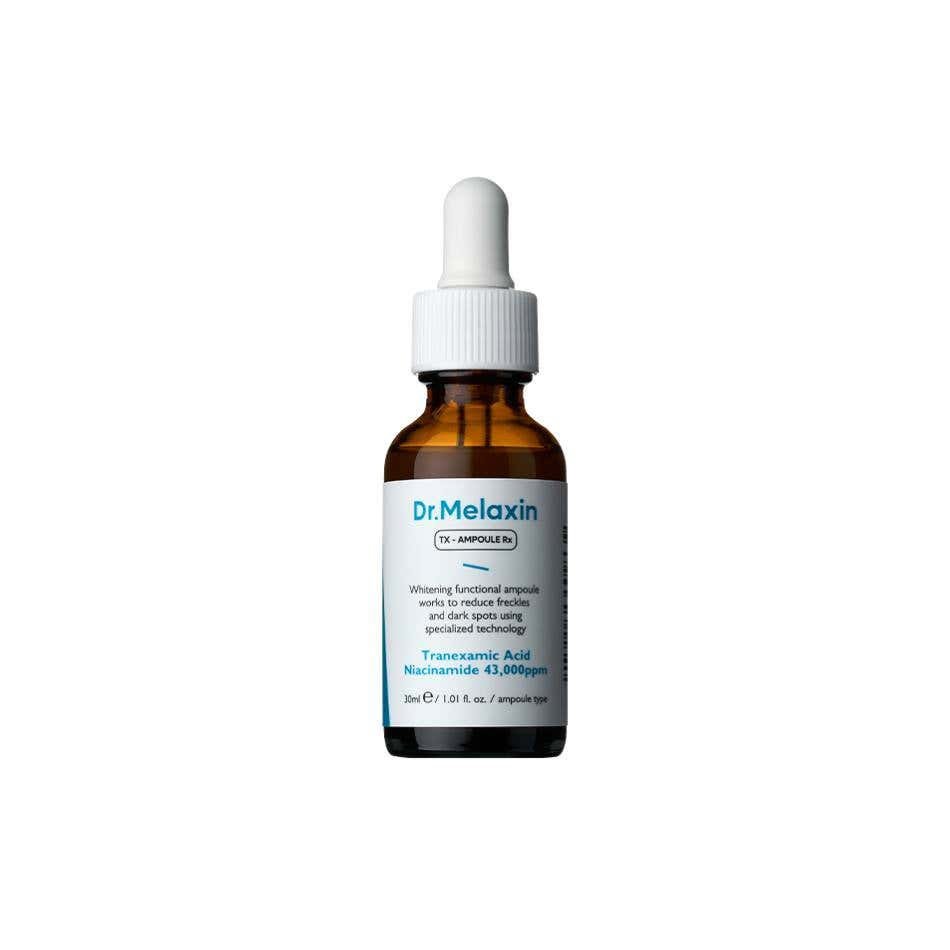 Dr MelaxinDr Melaxin TX-Serum 30ml- Tranexamic Acid(TX) improves skin freckles and blemishes. - Active Ingredients for skin Improvement - Fragrance Free, No Artificial Colors, EWG green grade.S$35.75 is a fragrance-free serum built around it. Our tranexamic acid guide explains who it suits.
Avoiding irritation. Strong peels, scrubs and frequent harsh actives can make melasma worse. Inflammation feeds pigment.
When melasma needs a clinic
See a doctor if patches are spreading, if you are pregnant or breastfeeding and want to know what is safe to use, or if home care has not helped after three months. A dermatologist can confirm the diagnosis and discuss prescription creams or oral options. Be wary of any provider who suggests aggressive lasers as a first step; melasma can rebound badly if treated too hard.
Freckles and sun spots: prevention at home, removal at clinic
Freckles are small, often genetic, and darken with sun exposure. Sun spots (solar lentigines) appear later in life on sun-exposed areas such as cheeks, hands and forearms, and tend to have sharper edges.
Daily sunscreen keeps new ones from forming and existing ones from getting darker, and brightening serums may soften them slightly. But if you want distinct spots lightened noticeably, clinic treatments such as certain lasers are often more effective than months of serums. Many people with freckles choose to keep them and simply protect their skin, which is a perfectly good plan.
Mistakes that make every type of mark worse
Using several brightening actives at once. More is not faster, and irritation creates fresh pigment.
DIY lemon, toothpaste or harsh scrubs. These irritate rather than fade.
Unregulated "whitening" creams bought from unknown sellers. Some have been found to contain mercury or steroids. Buy from reputable sources and check that cosmetics sold in Singapore meet HSA requirements.
Stopping sunscreen once marks fade. Pigment comes back readily.
When to see a doctor straight away
Any spot that is new, growing, changing colour, irregular in shape, raised, bleeding or itchy should be checked by a doctor before you treat it as a cosmetic mark.
Bottom line
Brown acne marks usually fade with acne control, sunscreen and one steady serum. Red marks need calm, not brighteners. Melasma needs long-term, gentle management and often a doctor's help. Freckles and sun spots are best prevented at home and removed, if you want them gone, at a clinic. Match the mark to the method and you will spend less and see more.


