Niacinamide, Vitamin C and Tranexamic Acid: Choosing an Even-Tone Serum
Niacinamide, vitamin C and tranexamic acid are the three serums most people reach for to even out skin tone. Here is how they differ, which one to start with, and how to combine them without irritation.
Walk down any skincare aisle in Singapore and the even-tone shelf is dominated by three ingredients: niacinamide, vitamin C and tranexamic acid. They are often sold side by side, sometimes in the same bottle, and it is easy to assume they all do the same thing.
They overlap, but each has a different personality. One is a calm all-rounder, one is a morning antioxidant with a reputation for being fussy, and one is a quieter specialist for stubborn brown patches. Knowing which is which helps you pick one good serum instead of three average ones.
We have deeper single-ingredient guides on niacinamide's benefits and limits, choosing vitamin C for dull skin and tranexamic acid. This article is the comparison: which to choose and how to combine them.
The short answer
Choose niacinamide if you want a gentle, everyday serum for mild blotchiness, oiliness and general evenness, or if you have reactive skin.
Choose vitamin C if your main complaint is dullness, you want a morning antioxidant under sunscreen, and your skin is not easily irritated.
Choose tranexamic acid if you have persistent brown patches, especially melasma-type pigmentation, or marks that are slow to fade.
All three need daily sunscreen to show results. Without it, you are fading pigment with one hand and adding more with the other.
Niacinamide: the easy-going all-rounder
Niacinamide is a form of vitamin B3. It is water-based, stable, and plays well with most other ingredients. It is commonly used for uneven tone, visible oiliness and the look of enlarged pores, and it may support the skin barrier.
Who it suits: most skin types, including oily and acne-prone skin. Sensitive skin often prefers lower strengths; very high percentages can cause flushing or tingling in some people.
Options to consider:
La Roche-Posay Mela B3 Double Dose Serum
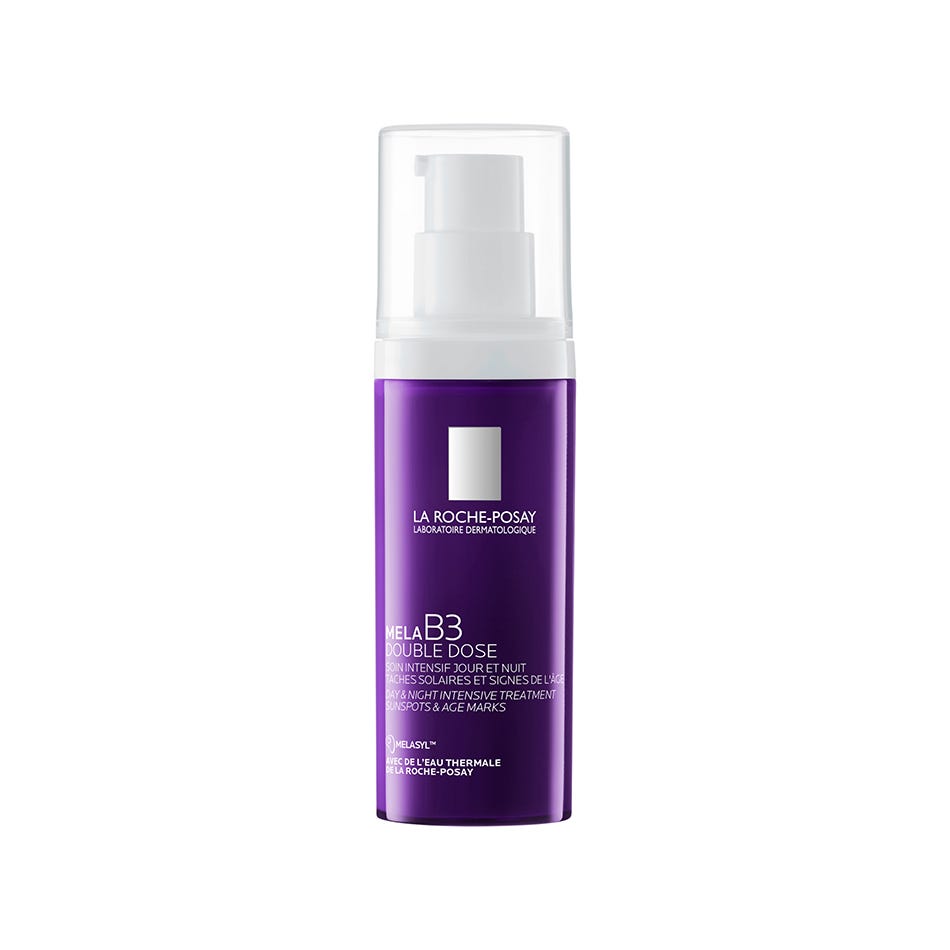 La Roche-PosayLa Roche-Posay Mela B3 Double Dose Serum 40mlLa Roche-Posay Mela B3 Double Dose Serum, 40ml.S$87.89 is a pharmacy-brand serum aimed specifically at uneven tone and dark spots.
The Ordinary Niacinamide 10% + Zinc 1% Serum
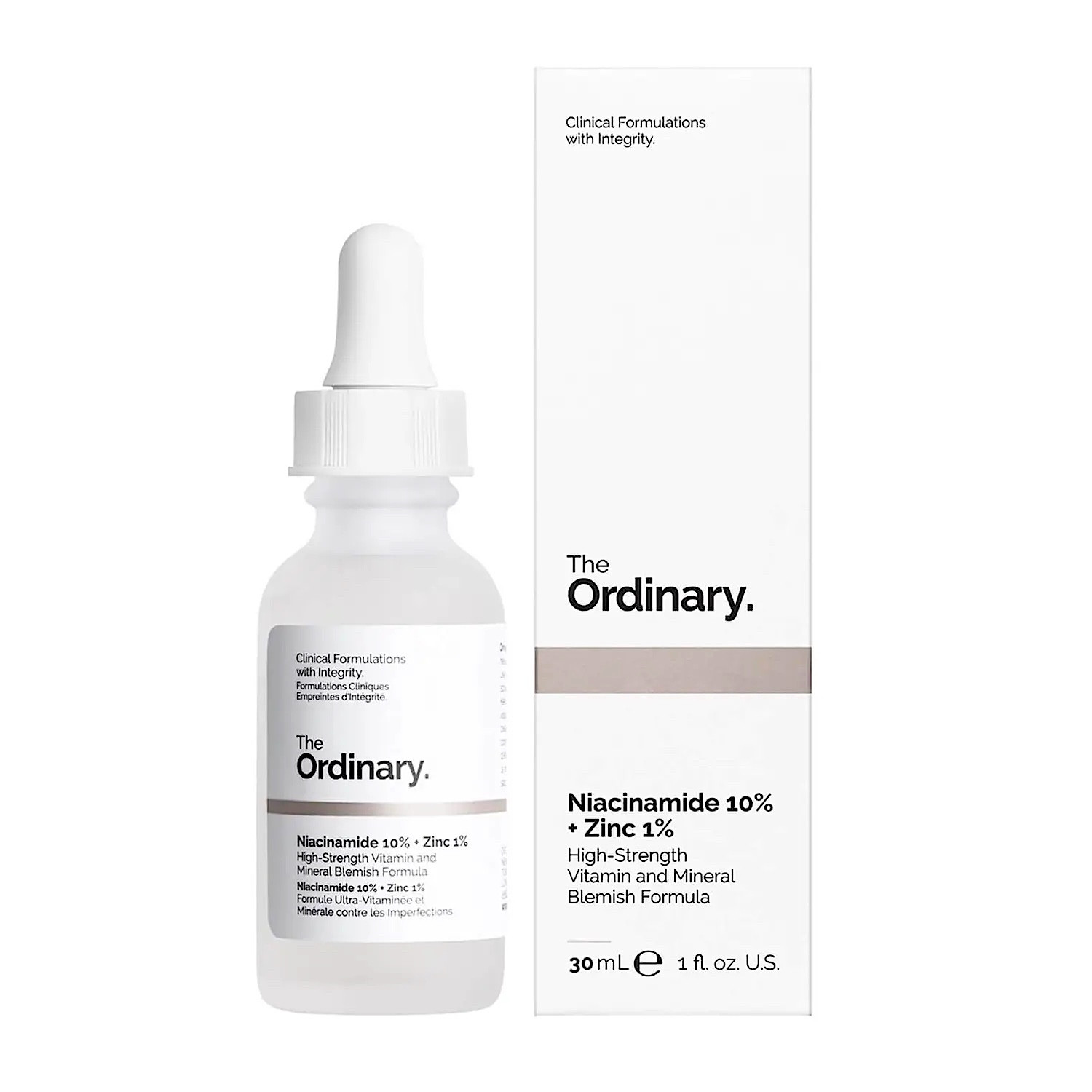 The OrdinaryThe Ordinary Niacinamide 10% + Zinc 1% Serum 30mlThe Ordinary Niacinamide 10% + Zinc 1% Serum 30ml is a 30ml facial serum.S$15.88 is a simple, budget-friendly serum that suits oily skin. It can pill under some sunscreens, so let it dry first.
SKIN1004 Niacinamide 10% Shot Ampoule
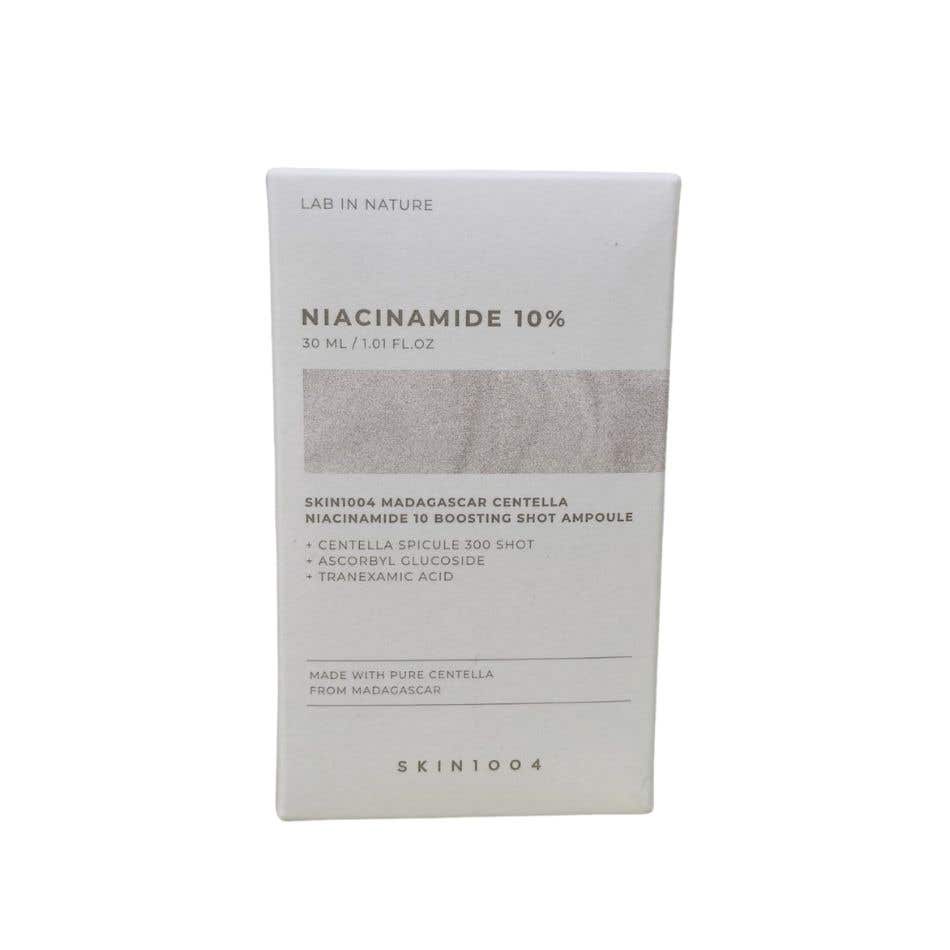 SKIN1004SKIN1004 Niacinamide 10% Shot Ampoule 30mlSKIN1004 Niacinamide 10% Shot Ampoule, 30ml.S$35.20 is a Korean ampoule-format option for people who like lighter, watery textures.
Vitamin C: the morning antioxidant
Vitamin C is used for dullness and uneven tone, and as an antioxidant that complements sunscreen. Pure ascorbic acid is the most researched form but can be unstable and tingly. Derivatives such as ethylated ascorbic acid and others are gentler and more stable, though how directly they compare is less clear.
Who it suits: normal, combination and oily skin that is not easily irritated. If you have sensitive skin, start with a gentler derivative and use it every other morning at first.
Practical points: keep it capped and away from heat. In a hot bathroom or a bag that sits in a car, vitamin C oxidises faster. If a clear serum turns noticeably dark orange or brown, it has likely degraded.
Options to consider:
CeraVe Skin Renewing Vitamin C Serum
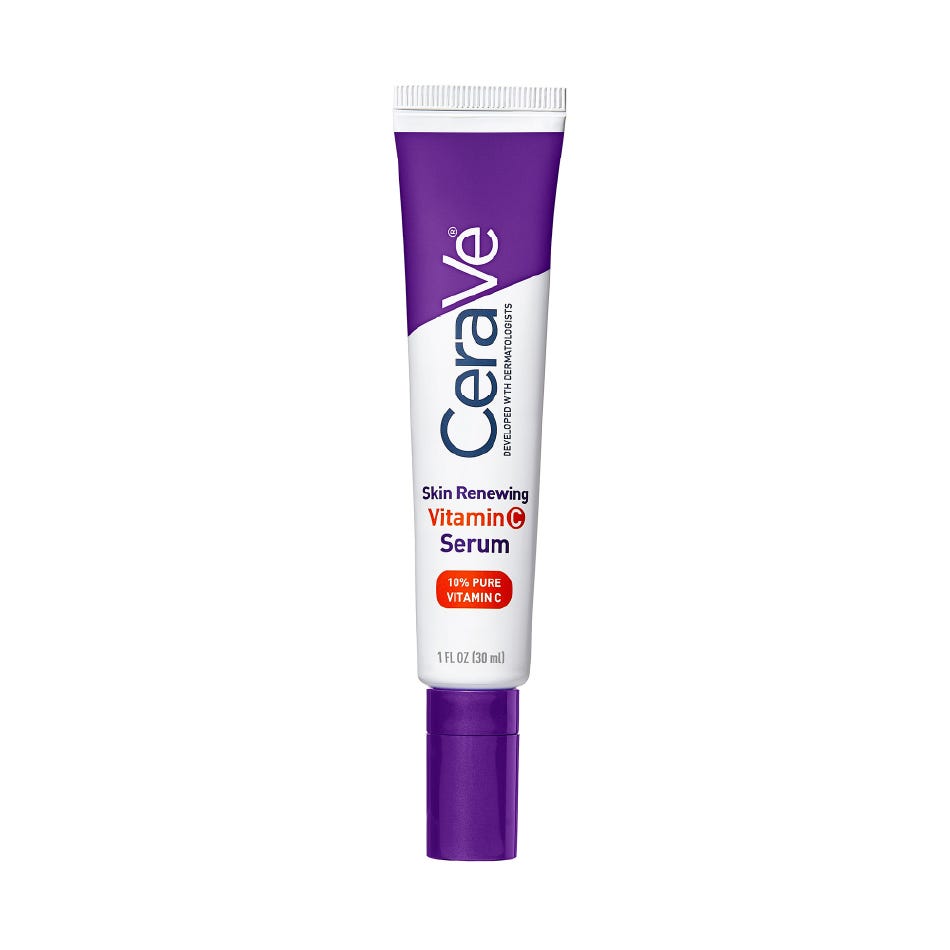 CeraVeCeraVe Skin Renewing Vitamin C Serum - 30mlCeraVe Skin Renewing Vitamin C Serum is a 30ml facial serum with 10% vitamin C.S$39.49 is a 10% vitamin C serum from a barrier-focused brand, a reasonable first vitamin C for many people.
Avene Vitamin Activ CG Serum
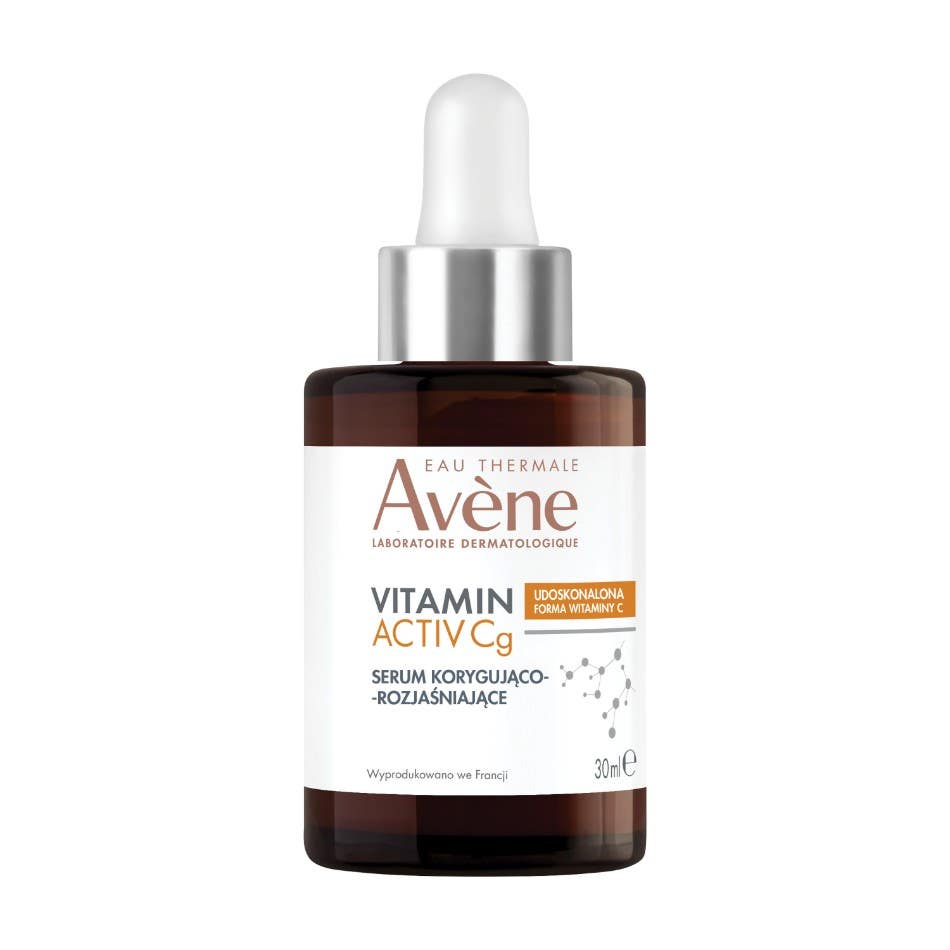 AveneAvene Vitamin Activ CG Serum 30mlAvène Vitamin Activ CG is a 30ml facial serum for use after cleansing.S$71.39 is a French pharmacy option worth considering if your skin tends to be reactive.
The Ordinary Ethylated Ascorbic Acid 15% Solution
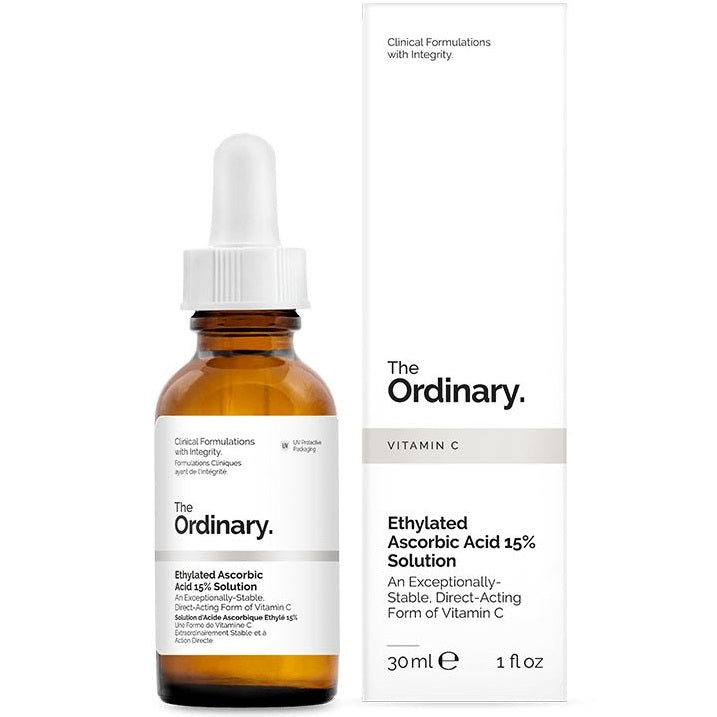 The OrdinaryThe Ordinary Ethylated Ascorbic Acid 15% Solution 30mlEthylated Ascorbic Acid 15% Solution, 30 ml.S$42.61 uses a vitamin C derivative and has a no-frills, light texture.
Garnier Bright Complete Vitamin-C Booster Serum
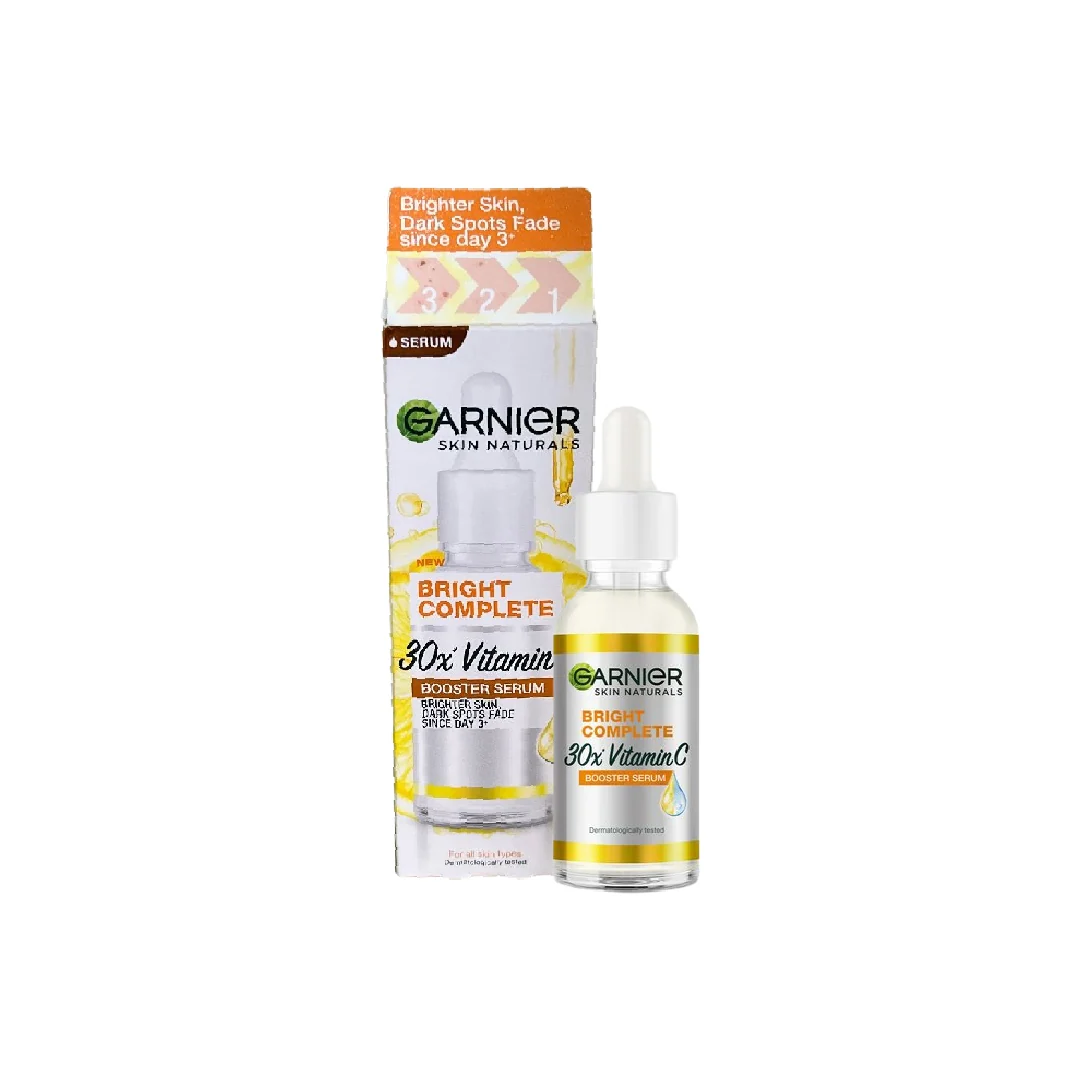 GarnierGarnier Bright Complete Vitamin-C Booster Serum 50mlGarnier Bright Complete Vitamin-C Booster Serum 50ml is a serum in a 50ml pack.S$25.89 is a widely available, easy-to-replace drugstore serum.
Tranexamic acid: the specialist for stubborn patches
Tranexamic acid (often written TXA) has a long history in medicine and has become popular in skincare for brown patches that do not respond well to other ingredients. Topical tranexamic acid is generally well tolerated, which makes it useful for people who cannot handle strong acids or retinoids.
Who it suits: people with melasma-type patches, stubborn post-acne marks, or sensitive skin that reacts to other brighteners. It can be used morning or night.
Options to consider:
Dr Melaxin TX-Serum
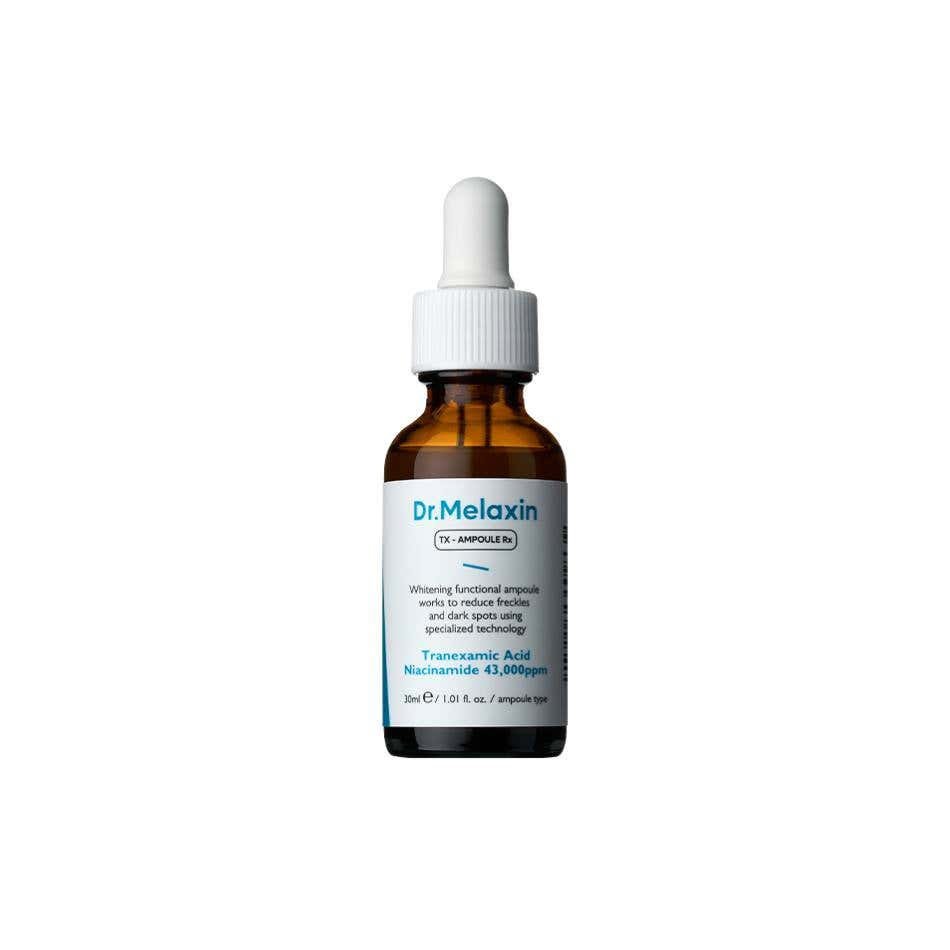 Dr MelaxinDr Melaxin TX-Serum 30ml- Tranexamic Acid(TX) improves skin freckles and blemishes. - Active Ingredients for skin Improvement - Fragrance Free, No Artificial Colors, EWG green grade.S$35.75 is a fragrance-free serum centred on tranexamic acid.
CLERA CERA B3 TXA Brightening Dark Spot Serum
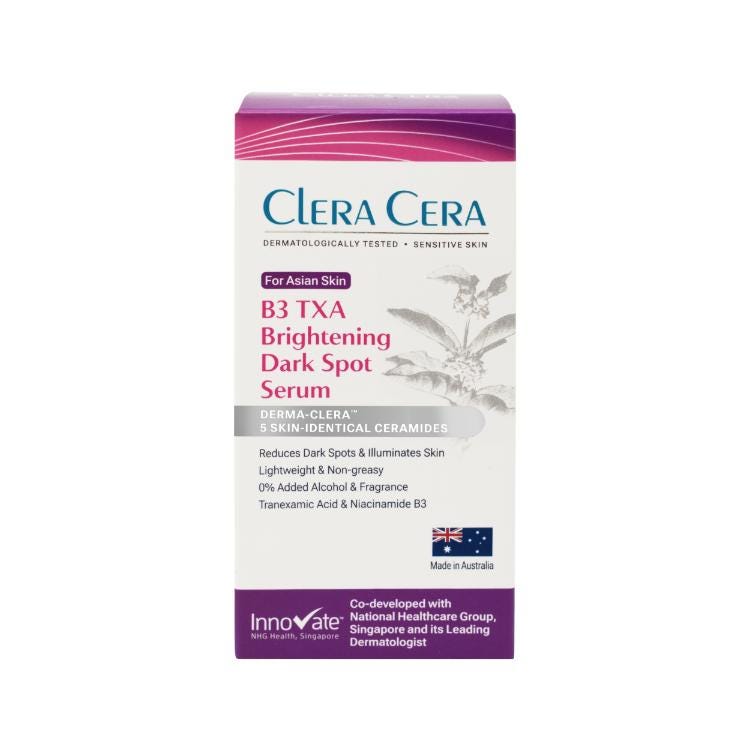 Clera CeraCLERA CERA B3 TXA Brightening Dark Spot Serum 30 mlCLERA CERA B3 TXA Brightening Dark Spot Serum 30 ml, one retail pack.S$36.96 pairs niacinamide (B3) with tranexamic acid in one step, which is handy if you want both without layering.
Can you use them together?
Yes, these three are broadly compatible. The old warning that niacinamide and vitamin C cancel each other out comes from lab conditions that do not reflect normal skincare use. The practical risks are irritation and pilling, not chemistry.
A sensible way to combine them:
Morning: vitamin C serum, then moisturiser, then sunscreen.
Evening: niacinamide or tranexamic acid serum, then moisturiser.
Or, more simply, use one combined serum such as a B3 and TXA formula, and keep vitamin C for the morning. If you also use retinoids or exfoliating acids, see our guide to combining retinol with vitamin C and acids before adding more.
Introduce one at a time
Start a single new serum, use it for two to three weeks, and only then add the next. If your skin stings or flushes, you will know which product caused it. Patch testing on the jawline for a few days first is worthwhile if you react easily.
How long before you see a difference?
Expect gradual change over 8 to 12 weeks of daily use. Take photos in the same light every few weeks rather than checking the mirror daily. If there is no improvement after three months with consistent sunscreen, switching ingredient is more useful than adding another serum on top.
Common mistakes
Layering three brighteners at once and then not knowing which one caused redness.
Choosing the highest percentage assuming it works faster. Higher strengths often just irritate more.
Leaving vitamin C in a hot place such as a car or a sunny windowsill.
Skipping moisturiser because the serum feels hydrating. Irritated skin pigments more easily.
FAQ
Which is best for acne marks?
For brown marks left after pimples, niacinamide or tranexamic acid are good first choices because they are gentle and suit acne-prone skin. Clearing active acne matters more than any serum.
Which is best for melasma?
Tranexamic acid is the one most often used for melasma-type patches, alongside strict sun protection. Melasma is stubborn, so if home care is not helping after a few months, a dermatologist can advise on stronger options.
Can I use these during pregnancy?
Niacinamide is generally considered low-risk in skincare, but pregnancy is a good time to check every active with your doctor or pharmacist, particularly tranexamic acid.
Bottom line
Niacinamide is the easy everyday option, vitamin C is the morning brightener for skin that tolerates it, and tranexamic acid is the specialist for stubborn brown patches. Pick the one that matches your main concern, use it consistently with sunscreen for three months, and add a second only if you need it.

