Postpartum Skin Tightening: Body Care, Treatments and Costs in Singapore
Loose tummy skin after birth is common and often improves on its own. Here is what firming creams can and cannot do, what clinic treatments involve, and how to think about cost.
After giving birth, many mums look down at a softer, looser tummy and wonder whether it will ever bounce back, and what they can buy to help. The honest answer has two parts. First, your body usually keeps changing for many months, so what you see at six weeks is not what you will see at a year. Second, creams can make skin feel and look better, but they cannot remove genuinely loose skin. That is the territory of clinic treatments and, in some cases, surgery.
This guide covers both, so you can spend sensibly and avoid paying for promises.
Why skin feels loose after pregnancy
During pregnancy the skin and muscles of the abdomen stretch dramatically. After birth:
The uterus shrinks back over roughly six weeks, but the skin over it takes longer to adapt.
Fluid and some fat gradually reduce, especially with time, sleep (eventually) and gentle activity.
The abdominal muscles may separate along the midline, a common condition called diastasis recti. This can make the tummy bulge even if the skin itself is fine.
**Stretch marks** start red or purple and slowly fade to a paler, silvery colour.
Genetics, age, the number of pregnancies, the size of the baby and weight change all affect how much the skin recovers.
Step one: give it time and check your muscles
Before spending on tightening, it is worth waiting at least six to twelve months, and longer if you plan more children. Ask your doctor or a women's health physiotherapist to check for diastasis recti. Targeted core rehabilitation often improves the shape of the tummy more than anything you can apply to the skin, and it should come before any intense abdominal workouts.
What firming creams and oils can do
Firming body creams are moisturisers, sometimes with ingredients such as caffeine, plant extracts or peptides. Realistically, they can:
Make skin feel smoother, softer and more supple.
Improve the look of crepey texture, at least while you keep using them.
Make a daily massage habit feel worthwhile.
They cannot shrink excess skin or reattach separated muscles.
Options worth considering:
Clarins Extra Firming Body Cream
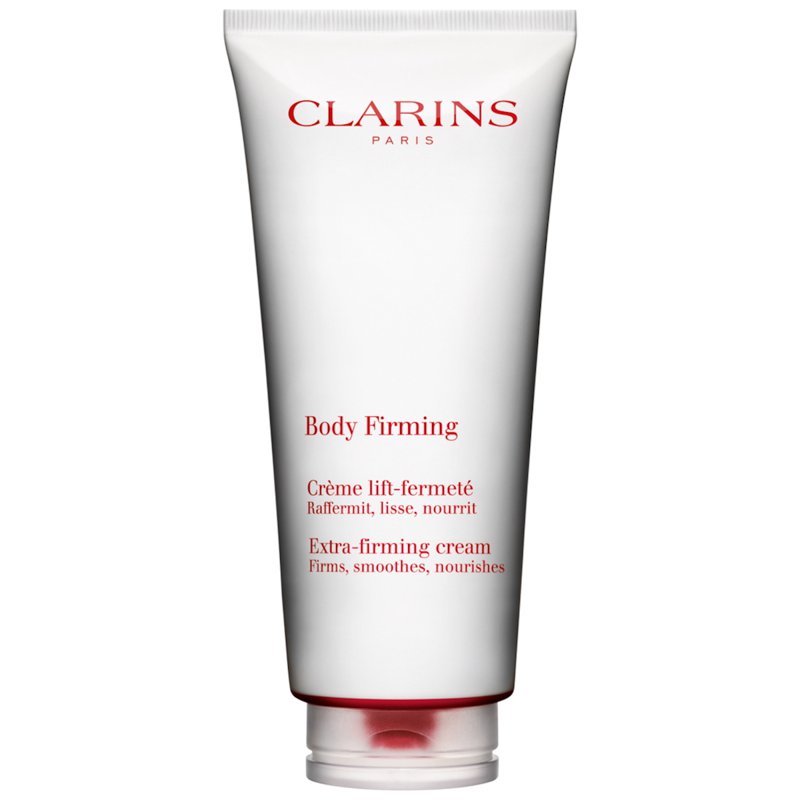 ClarinsClarins Extra Firming Body Cream 200mlA rich, velvety firming cream to pamper the body. A formula rich in eight regenerating and firming plant extracts which help restore the skin's youthful density and elasticity. Moisturising and nourishing, this comforting firming body cream instantly smoothes away lines, leaving skin soft, satin-smooth and supple with natural-looking firmness.S$105.60 is a premium body moisturiser with a pleasant, cushiony texture, suited to someone who wants a small daily treat.
Palmer's Cocoa Butter Firming Butter with Q10
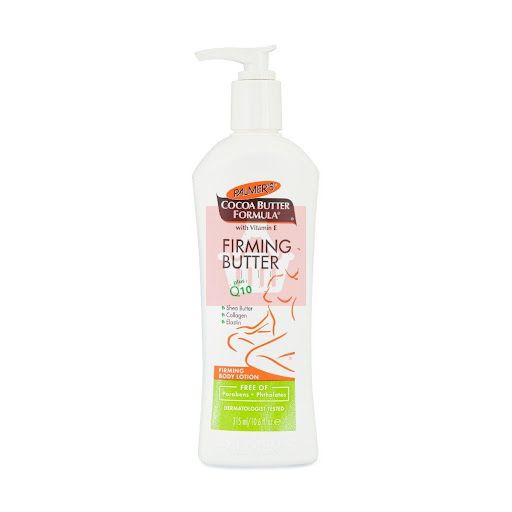 Palmer'sPalmer's Cocoa Butter Firming Butter with Q10 315mlvitamin E Q10 Shea Butter Collagen Elastin Free of parabens and phthalatesS$19.35 is a rich, budget-friendlier butter with shea and cocoa butter. Use a small amount at night in our climate.
Clarins Tonic Body Treatment Oil
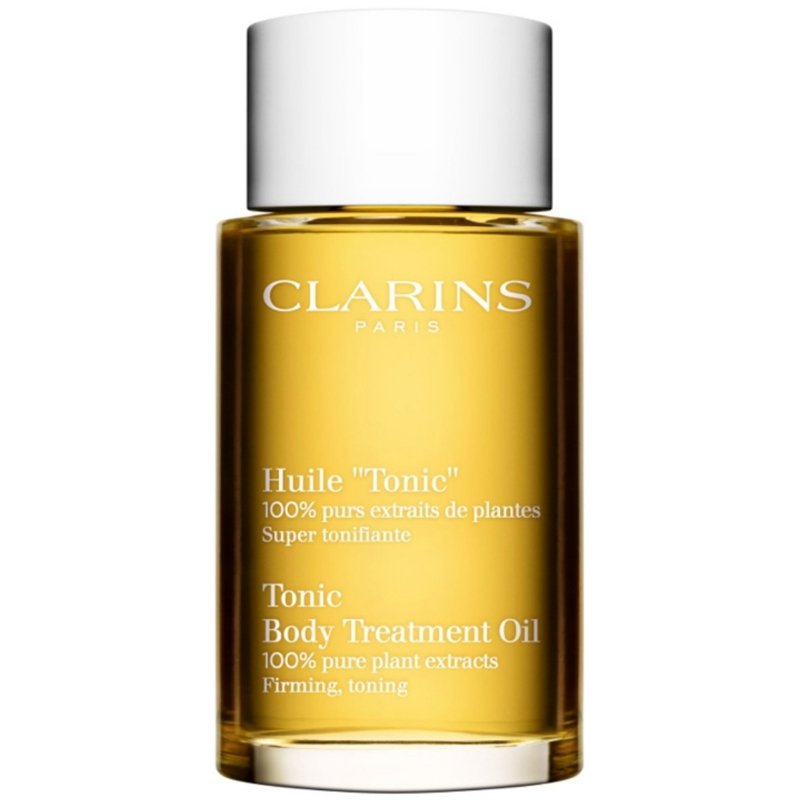 ClarinsClarins Tonic Body Treatment Oil (Firming) 100mlClarins best selling firming body oilwith 100% pure and powerful plant extracts including Rosemary, Geranium and Mint making a healthy formulahelps firm, tone and improve elasticity, smoothing the appearance of stretch marks. Hazelnut Oil locks in moisture to leave body skin soft, satiny-smooth and elastic, encouraging the reduction of visible stretch marks. Aromatic natural botanicals promote an overall feeling of well-being. Especially recommended for use during pregnancy and dieting. Suitable for all skin types.<<<S$98.56 is a fragrant plant oil for massage. Its strong natural scent will not suit everyone, especially while your newborn is skin-to-skin with you.
Bio-Oil Specialist Skincare Oil
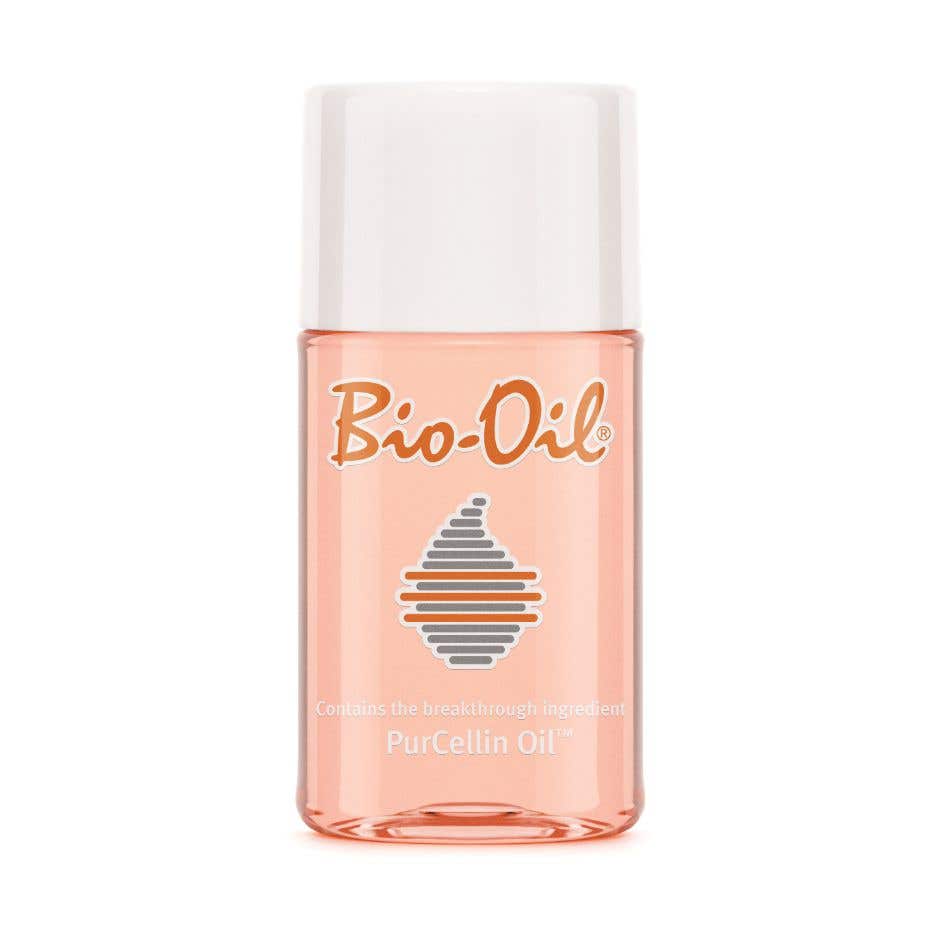 Bio-OilBio-Oil Specialist Skincare Oil 60mlPurcellin oil Scars Stretch marks Uneven skin tone Ageing and dehydrated skinS$15.90 is a lighter oil many mums carry on using after pregnancy for stretch marks and dry skin.
If you simply want a reliable everyday moisturiser, CeraVe Daily Moisturising Lotion
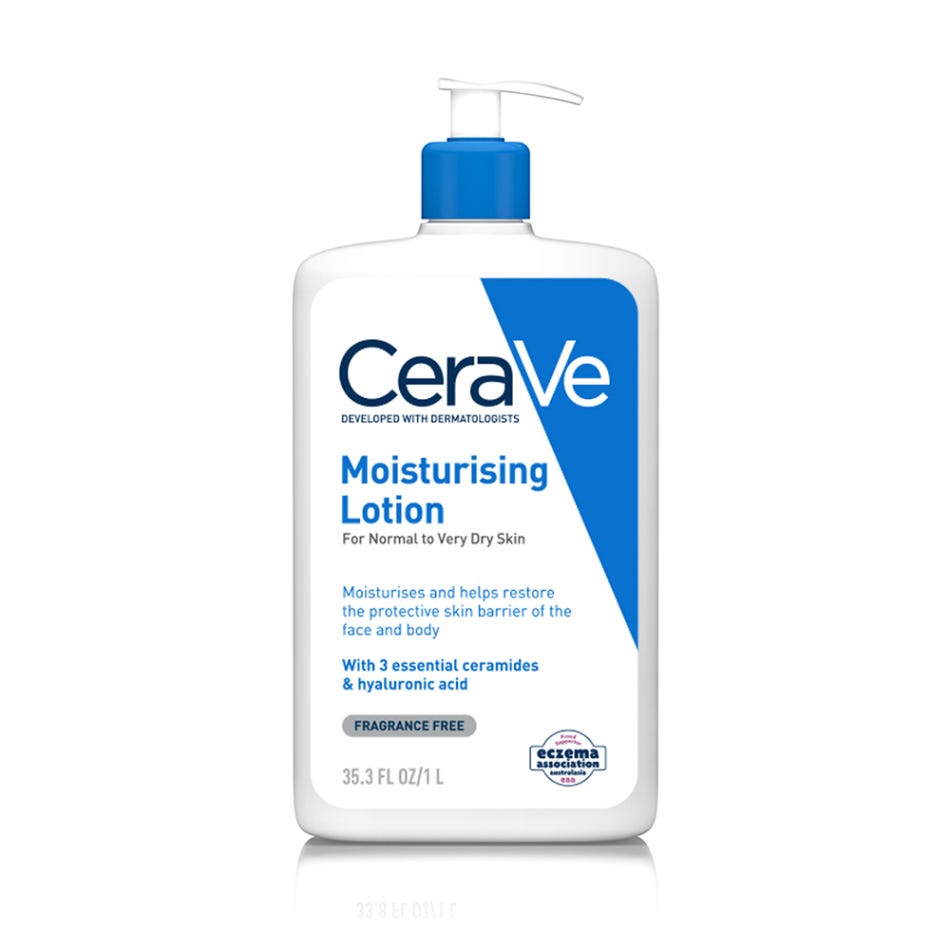 CeraVeCeraVe Daily Moisturising Lotion 1000mlCeraVe Daily Moisturising Lotion 1000ml is a lightweight face-and-body lotion for frequent moisturising and family-sized use.S$56.80 does the basic job at a lower cost per use.
What about retinol body creams?
Retinoids can, over months, improve the look of fine crepey texture and help faded stretch marks look more even. They are generally avoided while pregnant and are worth discussing with your doctor while breastfeeding. Once you are past that stage, a body cream such as the Advanced Clinicals Retinol Cream Advanced ClinicalsAdvanced Clinicals Cream Retinol 454gAdvanced Clinicals Cream Retinol 454g is a 454g cream.S$27.21 is one option to try slowly, a few nights a week, with sunscreen on any exposed areas. Read Body Retinol: Should You Use Retinol Below the Neck? before starting.
Clinic treatments: what is on offer
For mild to moderate laxity, aesthetic clinics in Singapore offer energy-based treatments:
Radiofrequency (RF) tightening. Heats the deeper layers of skin to stimulate collagen. Usually several sessions; results build over months and are modest.
High-intensity focused ultrasound (HIFU). Targets deeper layers in a similar way; sometimes used on the abdomen.
RF microneedling. Combines tiny needles with heat; often used for stretch marks and crepey texture.
Lasers. Mainly for stretch mark colour and texture rather than true tightening.
For significant loose skin, particularly with muscle separation, the effective option is surgical: an abdominoplasty (tummy tuck), performed by a plastic surgeon. It is major surgery with recovery time and should be considered only once you have finished having children and your weight is stable.
How much does it cost?
Prices can vary widely, so treat any number you see online with caution. What drives the cost:
The type of treatment. Single non-invasive sessions sit at the lower end; surgery is many times more expensive once surgeon, anaesthetist, hospital stay and follow-up are included.
How many sessions. Energy-based treatments are usually sold as packages, and the total matters more than the per-session price.
The size of the area and the device used.
Who performs it. A doctor-led clinic with proper assessment typically costs more than a beauty salon, and for energy devices that difference matters for safety.
Ask for a written quote that lists the number of sessions, what results to expect, and possible side effects. Be cautious of aggressive package selling on your first visit. Cosmetic procedures are generally not covered by MediSave or insurance; a tummy tuck may only be considered for coverage in specific medical situations, so check directly with your insurer.
A sensible order of steps
Rest, recover and wait at least six months.
Get assessed for diastasis recti and start appropriate core rehab.
Use a moisturiser or firming cream you enjoy for comfort and texture.
If laxity still bothers you, consult a doctor about energy-based treatments.
Consider surgery only for significant excess skin, after family planning is complete.
Bottom line
Firming creams make postpartum skin feel nicer but do not tighten loose skin in any lasting way. Time, core rehabilitation and patience do more than most people expect. For persistent laxity, a doctor-led consultation will tell you whether energy-based treatments or surgery are realistic, and what the full cost would be.