Eczema-Friendly Creams for Face and Body: What to Look For
Choosing a cream for eczema-prone skin is less about the brand and more about texture, ingredients and how often you will actually use it. Here is how to read the label for face and body.
If you live with eczema-prone skin, you probably own more than one half-used tub of cream. Some sting, some feel too heavy for Singapore weather, and some seem fine until the next flare.
The good news is that the right cream is usually less about a particular brand and more about a few practical features: a fragrance-free formula, a texture rich enough to protect your skin, and a format you are happy to apply twice a day, every day. Consistency matters more than any single ingredient.
This guide covers what to look for on the label, how face and body needs differ, and how to use an eczema-friendly cream well. For the bigger picture of a body routine in humid weather, see our guide to dry, itchy skin in humid weather.
Why moisturising matters so much for eczema-prone skin
Eczema-prone skin tends to have a weaker barrier. It loses water more easily and lets irritants in more easily, which is why it can feel dry, tight and itchy even in our humidity, especially after long hours in air-conditioning.
A good emollient cream helps in two ways. It adds a protective layer that slows water loss, and it can supply ingredients that support the skin's own barrier. Moisturisers are not a treatment for eczema itself, but regular use is a cornerstone of everyday care and may help skin stay calmer between flares.
What to look for on the label
Turn the tube over and check for these:
Fragrance-free. Fragrance is one of the most common triggers for reactive skin. "Unscented" is not always the same thing, so read the ingredient list.
Barrier-supporting ingredients. Ceramides, glycerin, colloidal oatmeal, shea butter, niacinamide and panthenol are common in eczema-friendly creams. Our explainer on barrier ingredients covers what each one does.
Occlusives. Petrolatum, dimethicone and plant butters help seal in water. These are what make a cream feel protective.
A simple ingredient list. Fewer botanical extracts and essential oils means fewer chances of a reaction.
A size you will finish. Large pump bottles make it easier to use enough, which is the most common shortfall.
What to be cautious about
Some ingredients are not bad in general but can sting broken or flaring skin:
Essential oils and plant extracts such as lavender, citrus or tea tree
Higher-strength exfoliating acids such as AHAs, and urea at higher levels
Alcohol-heavy gels, which can feel cooling but may sting
Menthol or camphor, used for a cooling feel, which some people find irritating on broken skin
Body creams: richer is often better
For the body, a thicker cream or balm usually protects better than a light lotion, especially on elbow creases, the backs of knees, shins and hands.
Eucerin Cream for Eczema-prone Skin EucerinEucerin Cream for Eczema-prone skin 141gEucerin Cream for Eczema-prone skin 141g is a 141g cream.S$44.10 is a moisturising cream with colloidal oatmeal and ceramide-3. It has a fairly rich texture and comes in several sizes, so you can keep a larger tub at home and a small one in your bag.
QV Dermcare Eczema Daily Cream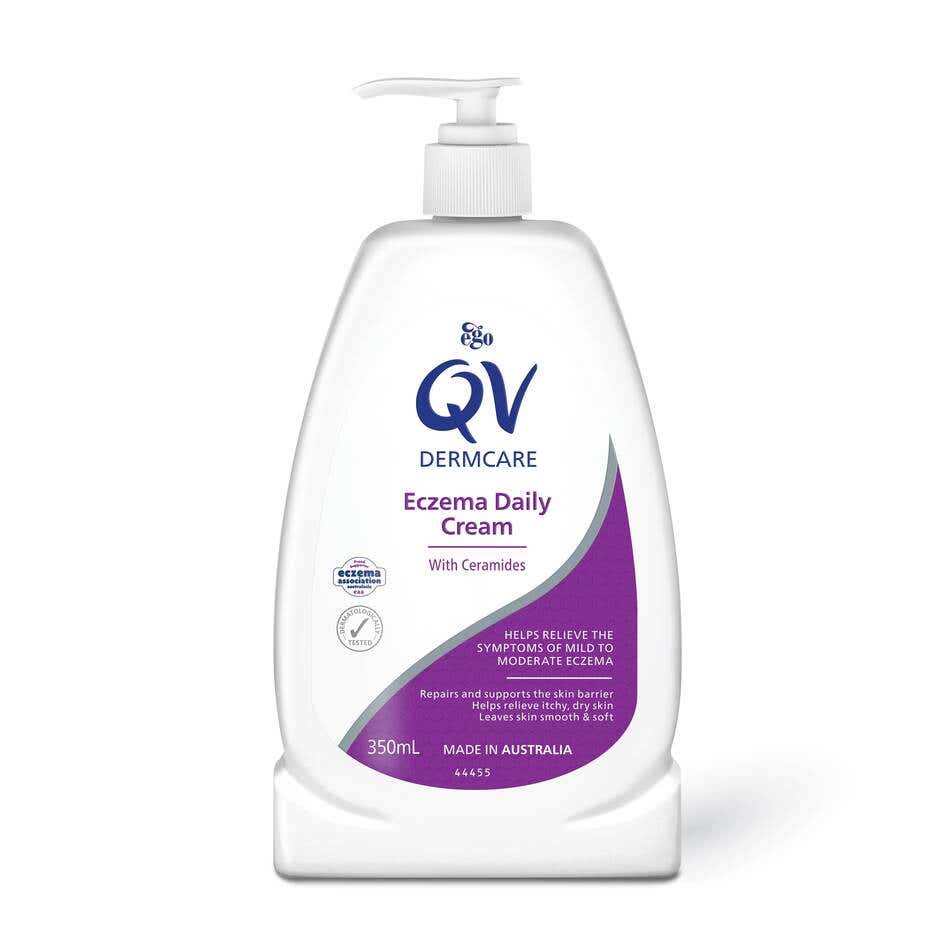 QVQV Dermcare Eczema Daily Cream 350mlQV Dermcare Eczema Daily Cream is a 350ml moisturising cream.S$65.78 is a moisturising cream in a pump bottle designed for everyday use. The pump is practical when hands are already sore and you do not want to dip into a tub.
La Roche-Posay Lipikar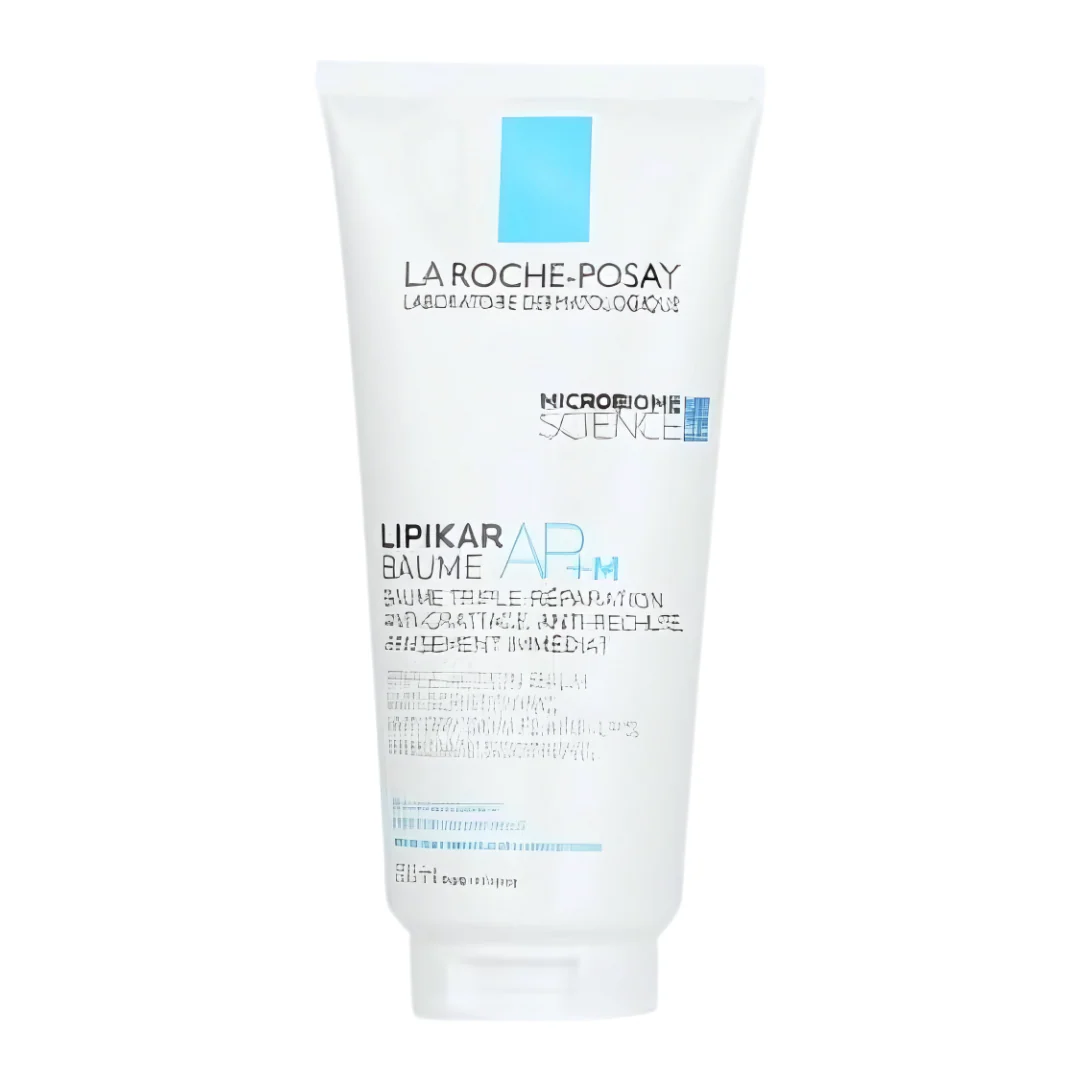 La Roche-PosayLa Roche-Posay Lipikar Baume AP+M - 200mlLa Roche-Posay Lipikar Baume AP+M - 200ml is a 200ml balm.S$35.79 includes the Lipikar Baume AP+M, a body balm made for very dry, eczema-prone skin. The label suggests applying it to damp skin, which fits neatly into a post-shower routine.
Avène XeraCalm Replenishing Balm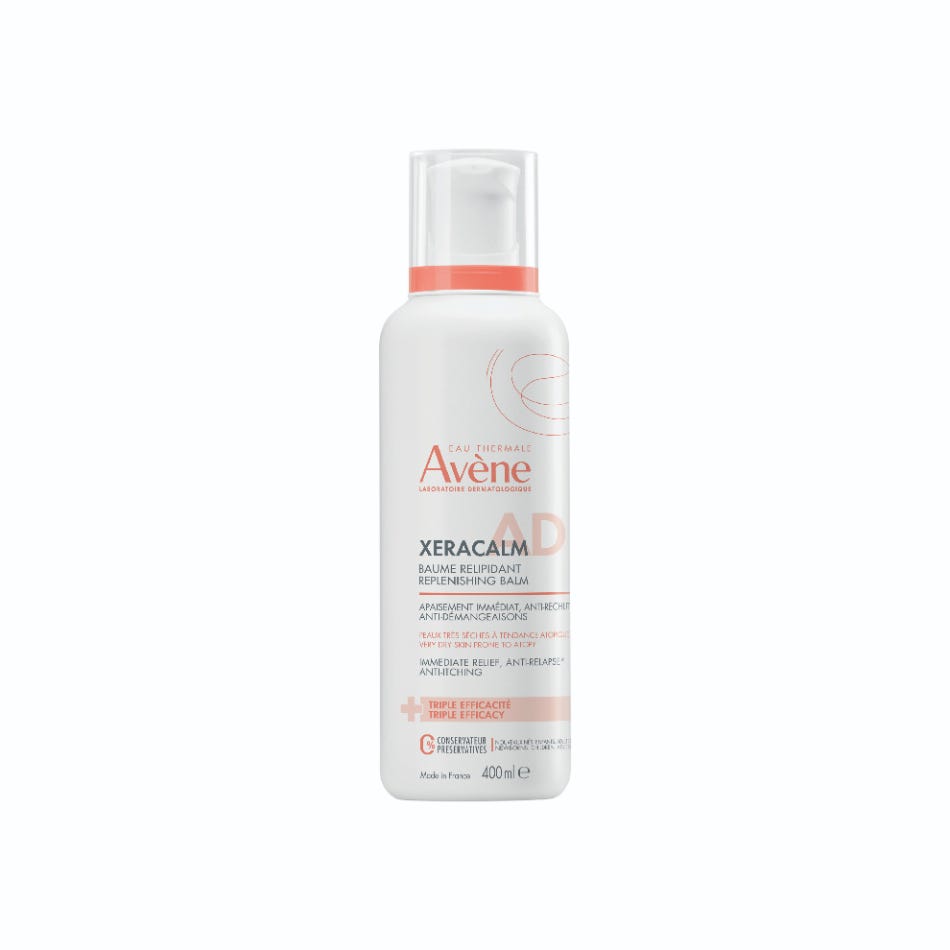 AveneAvene Xeracalm Replenishing Balm 400mlAvene Xeracalm Replenishing Balm, 400ml.S$49.94 is another body balm, from Avène's XeraCalm line for very dry skin. A large pump bottle makes it realistic to use generously.
If you want a straightforward, widely available cream for the whole family, Cetaphil Moisturising Cream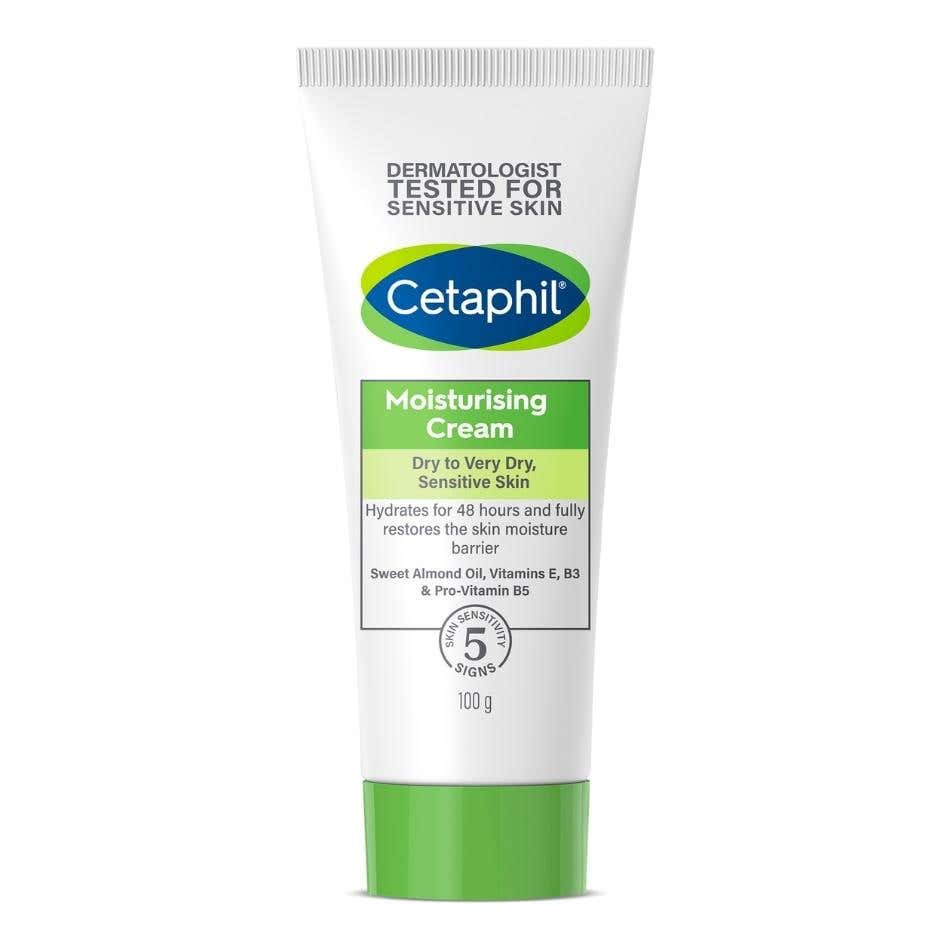 CetaphilCetaphil Moisturizer Cream 100gCetaphil Moisturizer Cream 100g is a rich cream for dry or sensitive skin routines.S$19.62 is a rich, non-greasy body cream for dry to very dry skin.
Face creams: lighter, but still protective
Facial skin is thinner, and eczema around the eyes, mouth and cheeks often reacts to products that are fine on the body. You also need a cream that sits well under sunscreen and does not clog pores.
Eucerin Omega ATO Calming Face Cream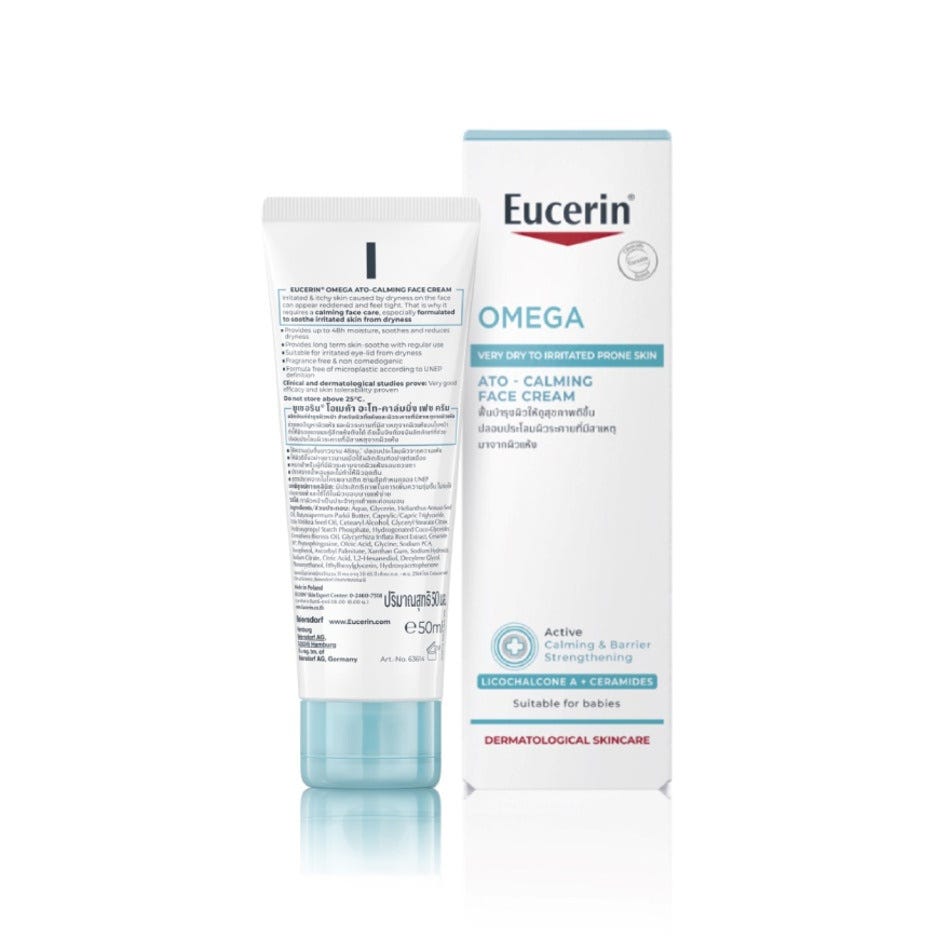 EucerinEucerin Omega ATO Calming Face Cream 50mlEucerin Omega ATO Calming Face Cream in one 50 ml tube.S$28.22 is a calming face cream from Eucerin's Omega ATO line, which is aimed at dry, atopic-prone skin. It is a sensible place to start if body creams feel too heavy on your face.
Physiogel Calming Relief A.I. Cream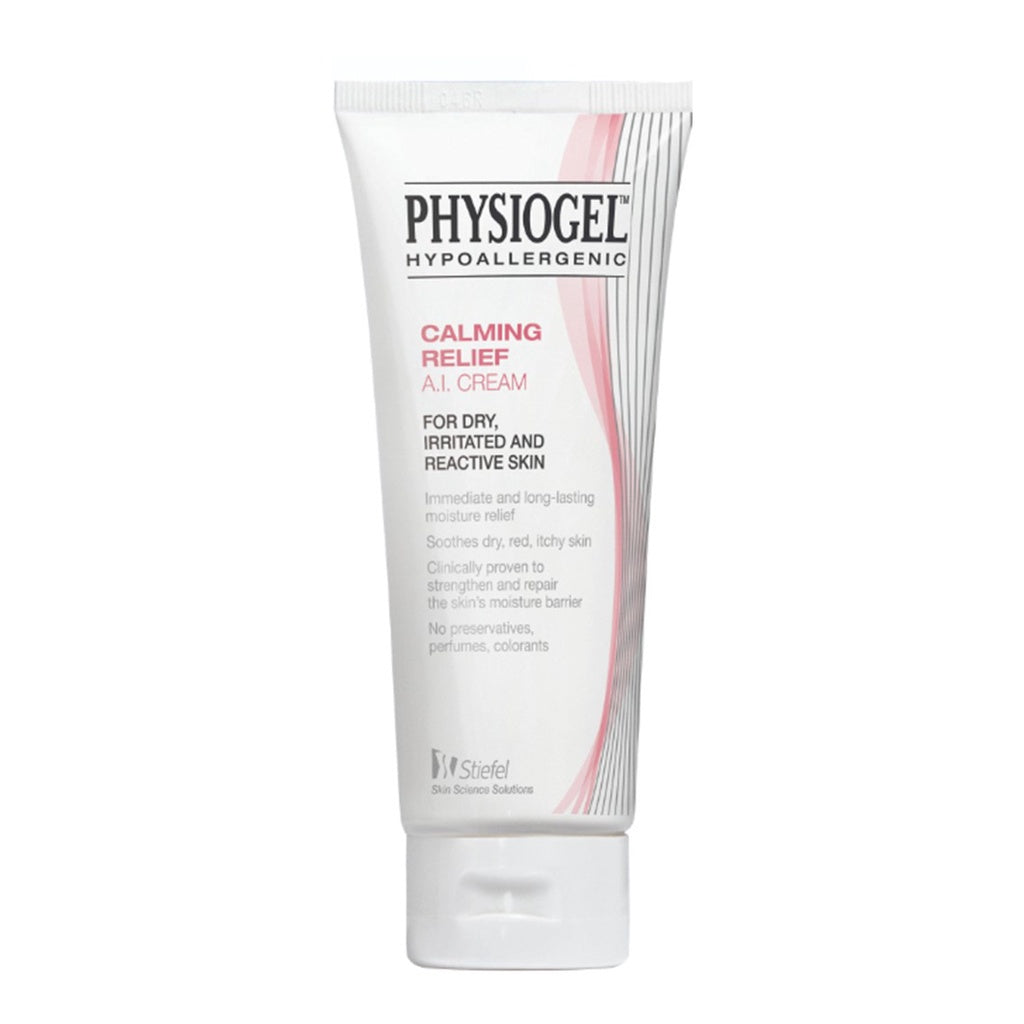 PhysiogelPhysiogel Calming Relief A.I. Cream 100mlHelps protect skin from free radicals Regenerates skin protective barrier Helps relieve redness in dry, sensitive skin Non-comedogenicS$49.27 is labelled for dry, sensitive skin that is prone to redness and is described as non-comedogenic. Its lighter feel suits combination skin that is reactive but gets oily in the T-zone.
Ezerra Cream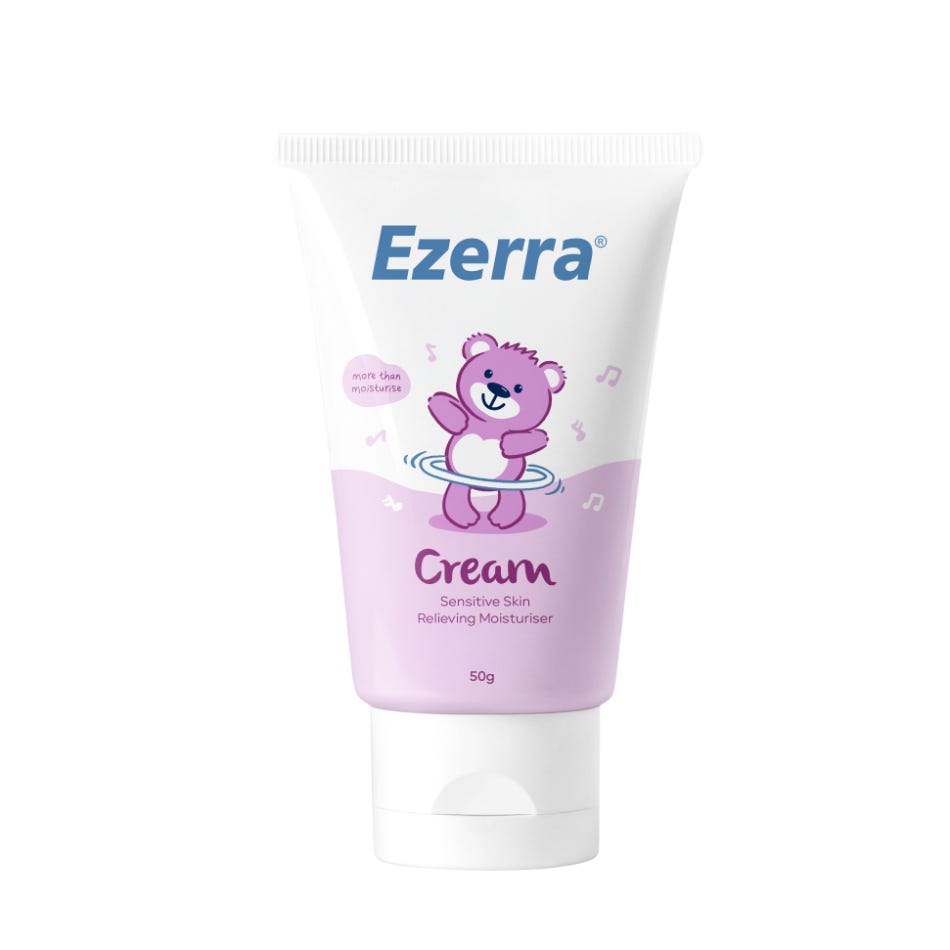 EzerraEzerra Cream 50gEzerra Cream, 50g.S$25.30 comes in a small tube that is easy to keep in a bag or at your desk for dry, eczema-prone patches on the face or hands. As with any new cream, try it on a small area first.
For a full routine for eczema-prone faces, including cleansing and sunscreen, read eczema-prone face care.
How to apply for the best result
How you use a cream matters as much as which one you buy:
Apply within three minutes of showering. Pat skin until just damp, then apply. This helps hold in water.
Use enough. A thin smear is the most common mistake. Skin should look slightly shiny for a minute or two after application.
Smooth, do not rub. Apply in the direction of hair growth to reduce the chance of irritating hair follicles.
Reapply through the day. Twice daily is a good baseline; hands and exposed areas may need more.
Keep it handy. A tub by the bed and a tube at your desk makes it much easier to stay consistent.
If a cream stings for more than a few seconds every time, stop and switch. Brief tingling on very dry or cracked skin can happen, but persistent stinging is a sign the product is not right for you now. Our article on why moisturiser stings explains the common causes.
Singapore-specific tips
Our climate creates a few particular challenges:
Sweat is a common trigger. After exercise or a hot commute, rinse with cool water and reapply cream rather than letting sweat dry on skin.
Air-con dries skin indoors. Keep a small tube at work for hands and face.
Swimming pools. Apply a protective layer before swimming and rinse and moisturise soon after.
Textures that feel too heavy. Use a richer cream at night and a lighter one in the morning, rather than skipping moisturiser altogether.
When to see a doctor
Eczema-friendly creams are daily care, not treatment for flares. See a doctor if skin is weeping, crusting, has yellow crusts or pus, is spreading quickly, is painful, or is keeping you up at night despite regular moisturising. Those can be signs of infection or a flare that needs prescription treatment. Keep using your moisturiser alongside any treatment your doctor prescribes.
Bottom line
Look for fragrance-free creams with barrier-supporting ingredients and enough richness to protect your skin. Use richer creams and balms on the body, and lighter, non-comedogenic options on the face. Apply generously on damp skin, at least twice a day, and see a doctor when a flare is not settling.