Maternity Body Care: Stretch Marks, Itchy Bumps and Mum-Friendly Skincare
Your skin changes a lot during pregnancy and after birth. Here is a calm, practical guide to stretch mark creams, itchy bellies, nipple care and keeping your body routine simple.
Pregnancy changes your skin in ways nobody quite warns you about. Your bump stretches and itches, your chest grows quickly, dark lines and patches appear, and you may find that the shower gel you have used for years suddenly feels too strong. Then, after birth, there is a whole new set of needs, from sore nipples to skin that feels unfamiliar.
The good news: maternity body care can be very simple. A gentle wash, a moisturiser you like, sunscreen and one or two targeted products cover most of it. This guide focuses on the body. For checking labels and ingredients before you buy anything, see Pregnancy and Baby Skincare: What to Check Before Adding to Cart.
Stretch marks: what creams can and cannot do
Stretch marks appear when skin stretches faster than it can adapt, which is why the tummy, hips, thighs and breasts are common spots. Genetics plays a big role: if your mother had them, you are more likely to as well.
Honest expectations matter here. Research has not shown that any cream or oil reliably prevents stretch marks. What regular moisturising and massage can do is keep stretching skin supple and comfortable, reduce itchiness, and make new marks feel less tight. Many mums find the daily ritual reassuring too, and that has value.
Popular options:
Palmer's. The Palmer's Stretch Mark Care
 Palmer'sPalmer's Massage Lotion 250mlPalmer's Massage Lotion 250ml is a body lotion for body moisturising, skin comfort, or stretch-mark care routines. It is the 250ml option, supplied as one retail unit of the selected variant.S$24.43 range includes oils, massage lotions and richer creams, sold singly or in sets. Palmer's Stretch Marks Tummy Butter
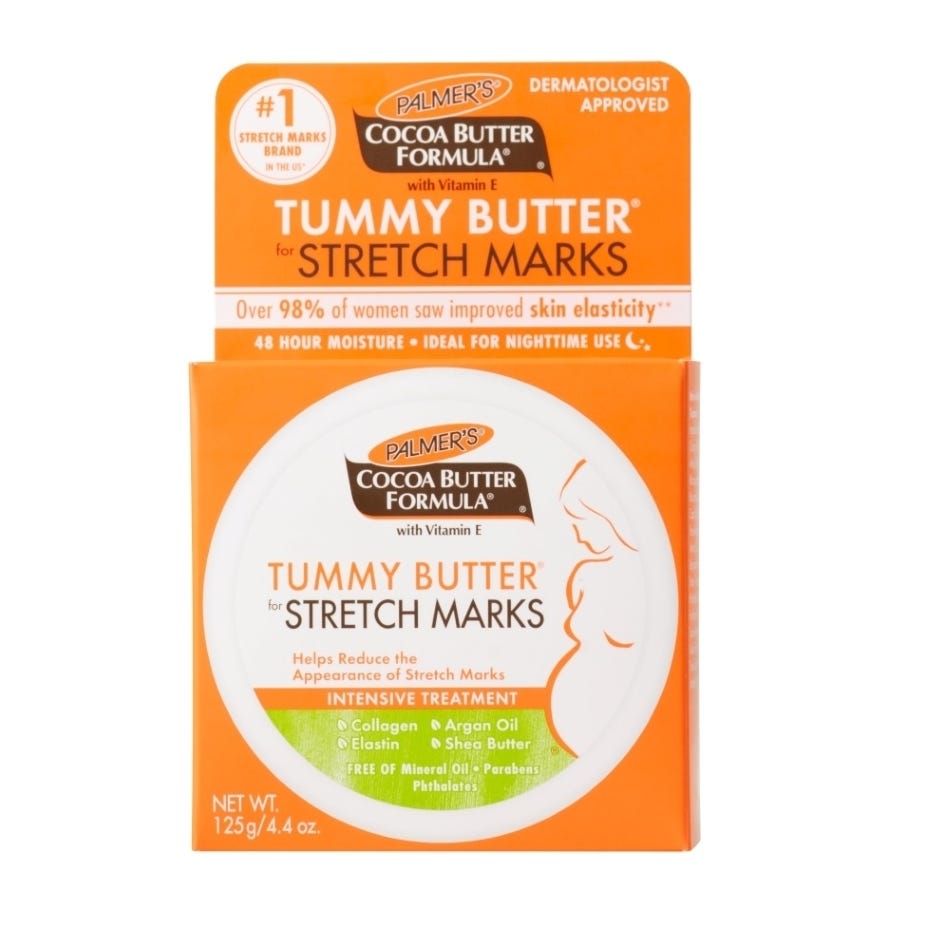 Palmer'sPalmer's Stretch Marks Tummy Butter 125gPalmer's Tummy Butter is widely recommended for stretch marks during and after pregnancy or weight loss.S$22.59 is the thick, cocoa-scented balm for the bump itself; a little goes a long way in our humidity.
Bio-Oil. Bio-Oil Specialist Skincare Oil
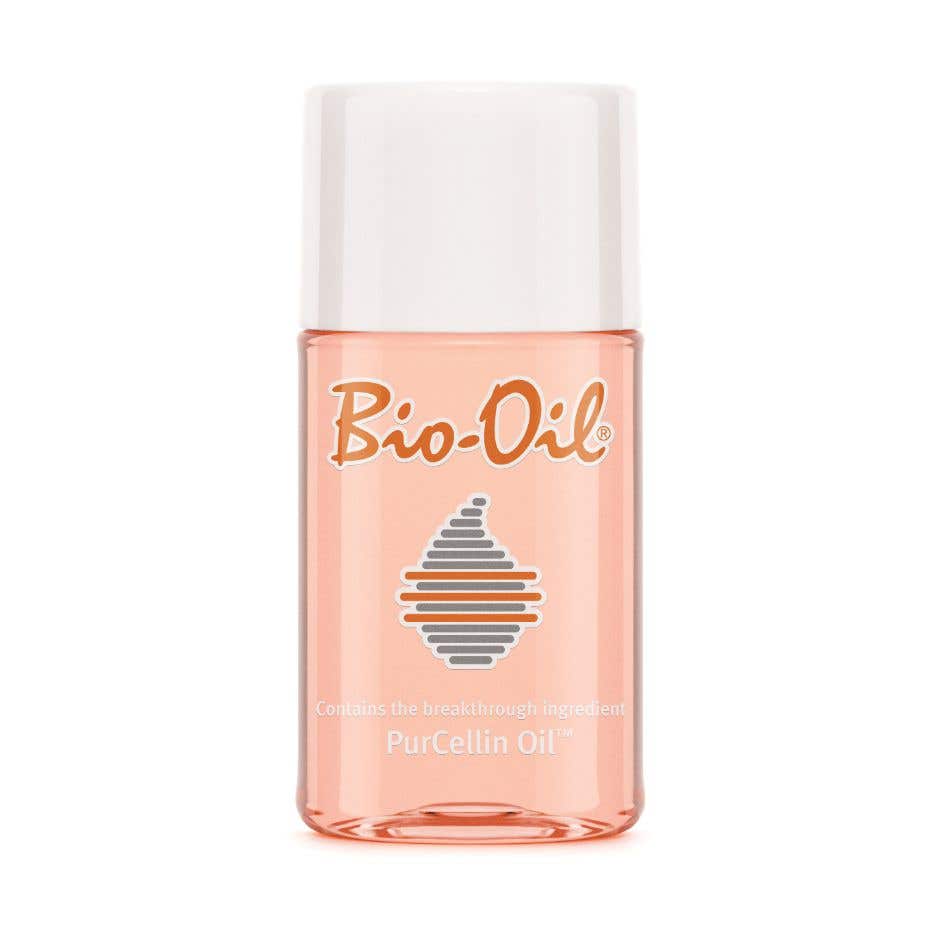 Bio-OilBio-Oil Specialist Skincare Oil 60mlPurcellin oil Scars Stretch marks Uneven skin tone Ageing and dehydrated skinS$15.90 is a light oil that massages in easily. It contains a vitamin A derivative (retinyl palmitate); the brand says it is suitable in pregnancy, but check with your doctor if unsure. Good if you dislike heavy creams, though you need to let it absorb before dressing.
Ziaja Mum. Ziaja Mum Stretch Mark Cream
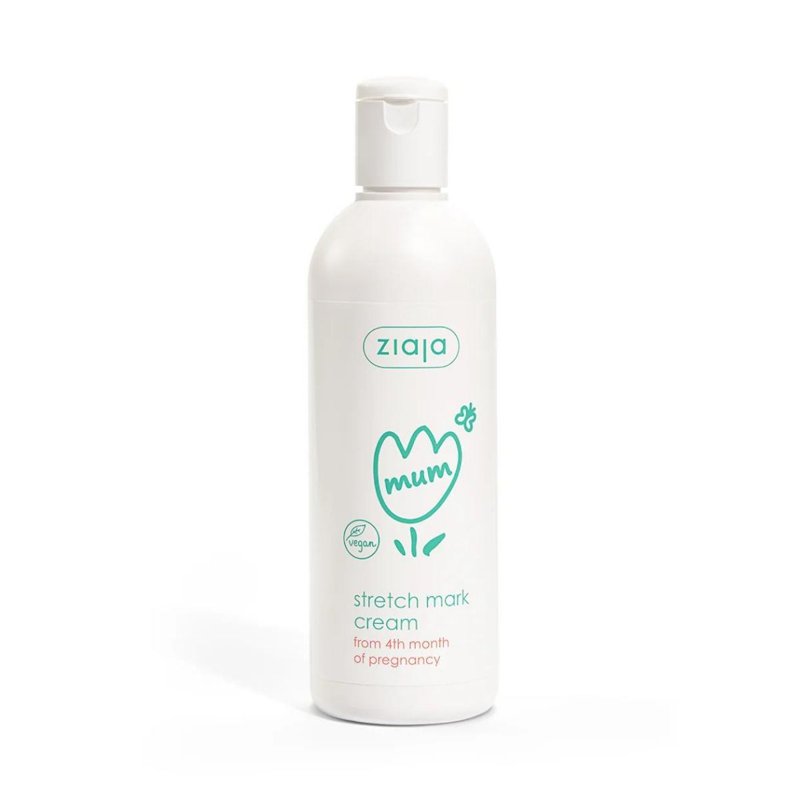 ZiajaZiaja Mum Stretch Mark Cream 270mlTake care of your skin during pregnancy with our Mum Stretch Mark Cream. This 270 ml cream features a 95% natural origin index, is vegan, gluten-free, and microplastic-free. Designed for ages 17+ and perfect for dry, dehydrated skin, this light and moisturizing formula is ideal for use from the 4th month of pregnancy.S$42.79 is a lighter cream intended for use from the fourth month of pregnancy, and the big tube makes it easy to be generous.
Clarins. Clarins Body Partner Stretch Mark Expert Cream
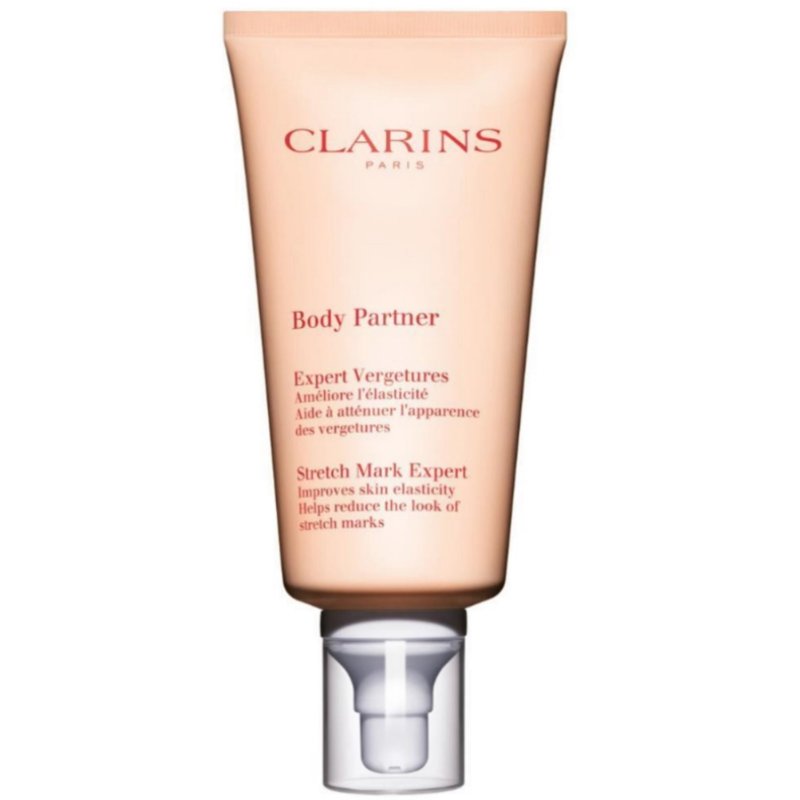 ClarinsClarins Body Partner Stretch Mark Expert Cream 175mlA new and improved plant-powered 'Mum-Friendly' formula! A gentle stretch mark cream that addresses stretch marks caused by pregnancy and weight fluctuations. This fast absorbing, plant-based formula blended with minimal ingredients chosen precisely for their highly effective properties helps target stretch marks and gently comforts the skin.<<<S$102.96 is a more premium, plant-based cream that absorbs fast, which suits office wear.
The best product is the one you will actually use twice a day. If you hate the smell of cocoa butter by week 20 (pregnancy can make you sensitive to smells), switch to something lighter or unscented.
How to apply
Start early in the second trimester, or whenever your bump begins to grow noticeably.
Apply to slightly damp skin after showering, morning and night.
Cover the tummy, sides, hips, thighs, lower back and breasts (avoiding the nipples).
Use gentle circular massage. It does not need to be firm.
Itchy bump and itchy skin
A stretching tummy often itches, and Singapore heat and sweat do not help. Simple steps:
Shower in lukewarm water and use a mild wash such as Eucerin pH5 Wash Lotion
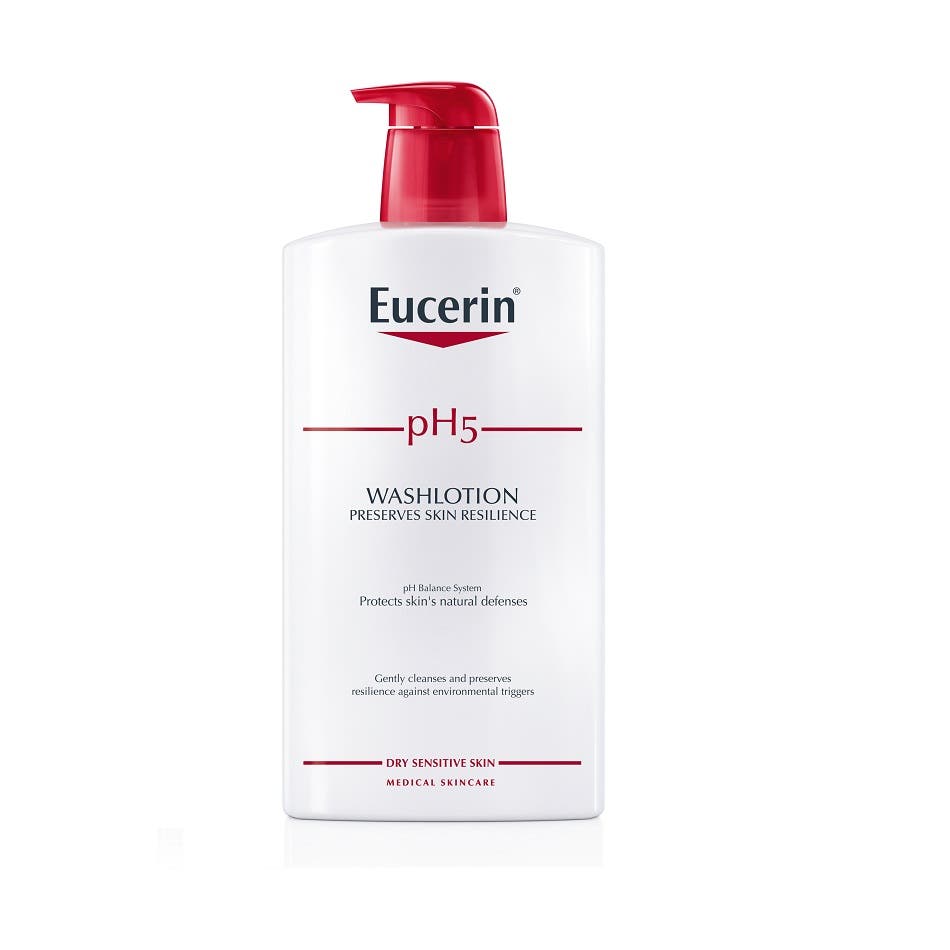 EucerinEucerin Ph5 Wash Lotion 1000mlEucerin pH5 Wash Lotion — Pump, 1000ml.S$40.59 instead of strongly scented gels.
Moisturise straight after. A soothing body lotion such as Aveeno Skin Relief
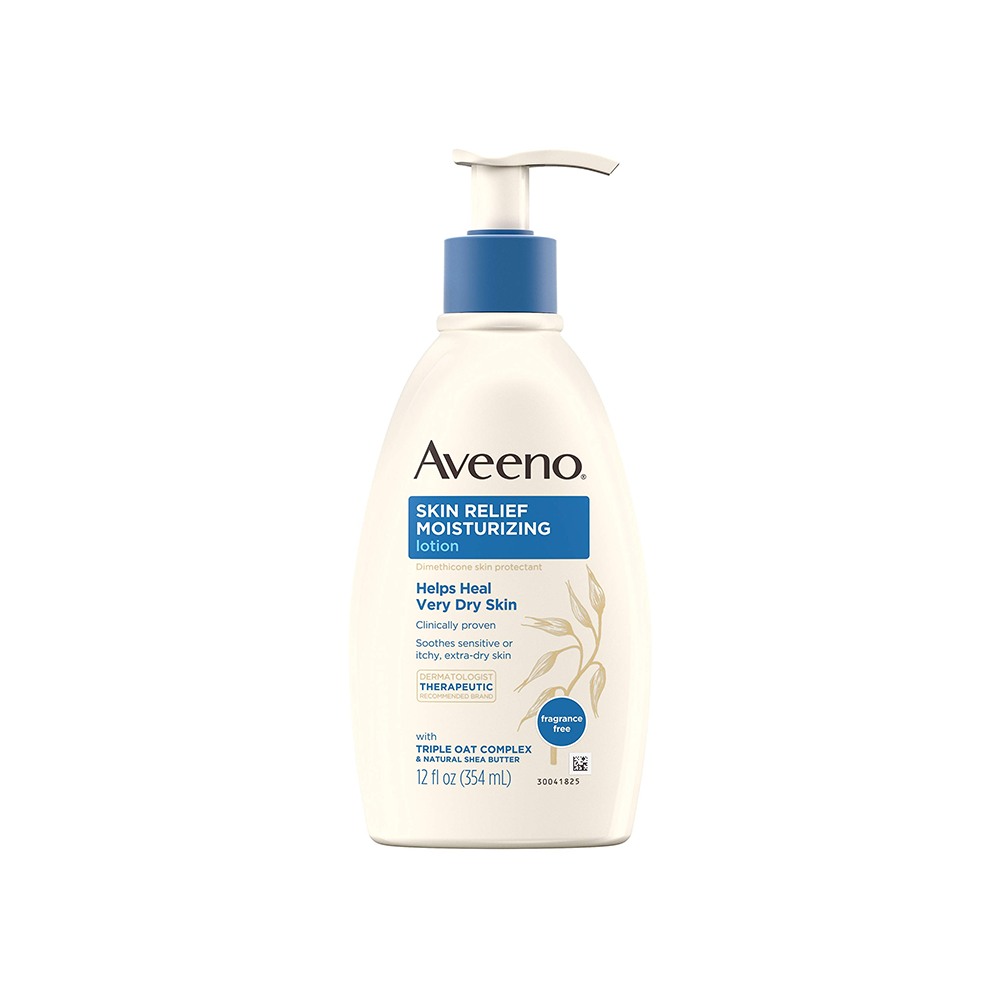 AveenoAveeno Skin Relief Moisturising Lotion - 354mlAveeno Skin Relief Moisturising Lotion - 354ml is a lotion in a 354ml pack.S$23.75, which is aimed at dry, itchy skin, is a good everyday choice for the whole body.
Wear loose cotton clothing and keep the bedroom cool.
Keep nails short so night-time scratching does less damage.
Itching that needs a doctor
Tell your doctor promptly if itching is intense, especially on your palms and soles, is worse at night, or comes with dark urine or pale stools. This can be a sign of a liver condition of pregnancy that needs a blood test. Also get checked if you develop a widespread rash of raised, itchy bumps or blisters. These are not things to manage with a stronger cream.
Darker skin, lines and patches
Many women notice a dark line down the tummy, darker nipples and underarms, or patches on the face. These are hormonal and usually fade gradually after birth. Do not reach for harsh lightening or "whitening" products during pregnancy. The most useful step is sunscreen on exposed skin, because sun makes pigment deeper.
Nipple care in late pregnancy and breastfeeding
Sore, cracked nipples are common in the early weeks of breastfeeding, often because of latch. A balm protects the skin while you sort out positioning.
Lansinoh HPA Lanolin Nipple Cream
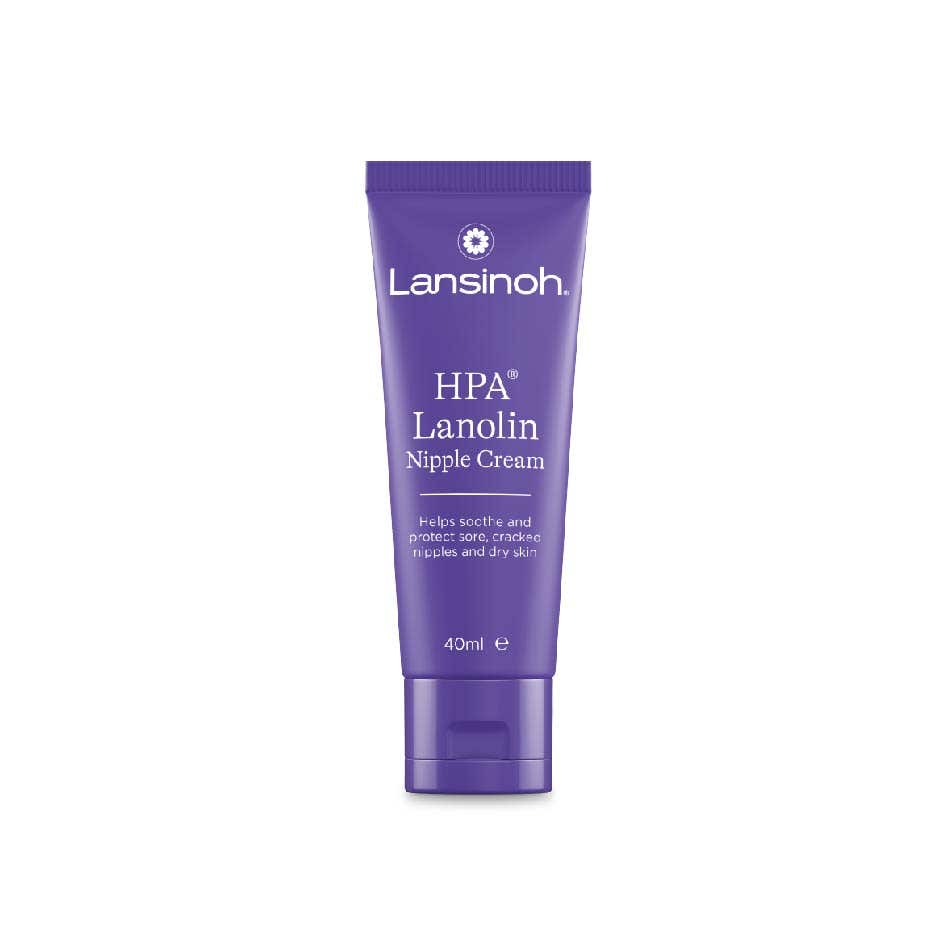 LansinohLansinoh Hpa Lanolin Nipple Cream 40mlBPA and BPS free #1 bestselling nipple cream in the UK for breastfeeding mothers Helps soothe and protect sore nipples and cracked skin
100% natural and hypoallergenic Pure medical grade lanolin No additives, preservatives or chemicals No need to remove before breastfeeding
Paraben free No taste, colour or smell the most acceptable nipple cream for your breastfed baby Safe for mum and baby
Sore nipples are very common during breastfeeding and can often be a result of the uncomfortable positioning of your baby at the breast.S$22.33 is a thick lanolin cream that many mums use between feeds. Avoid it if you have a known wool or lanolin allergy.
Palmer's Cocoa Butter Formula Nursing Butter
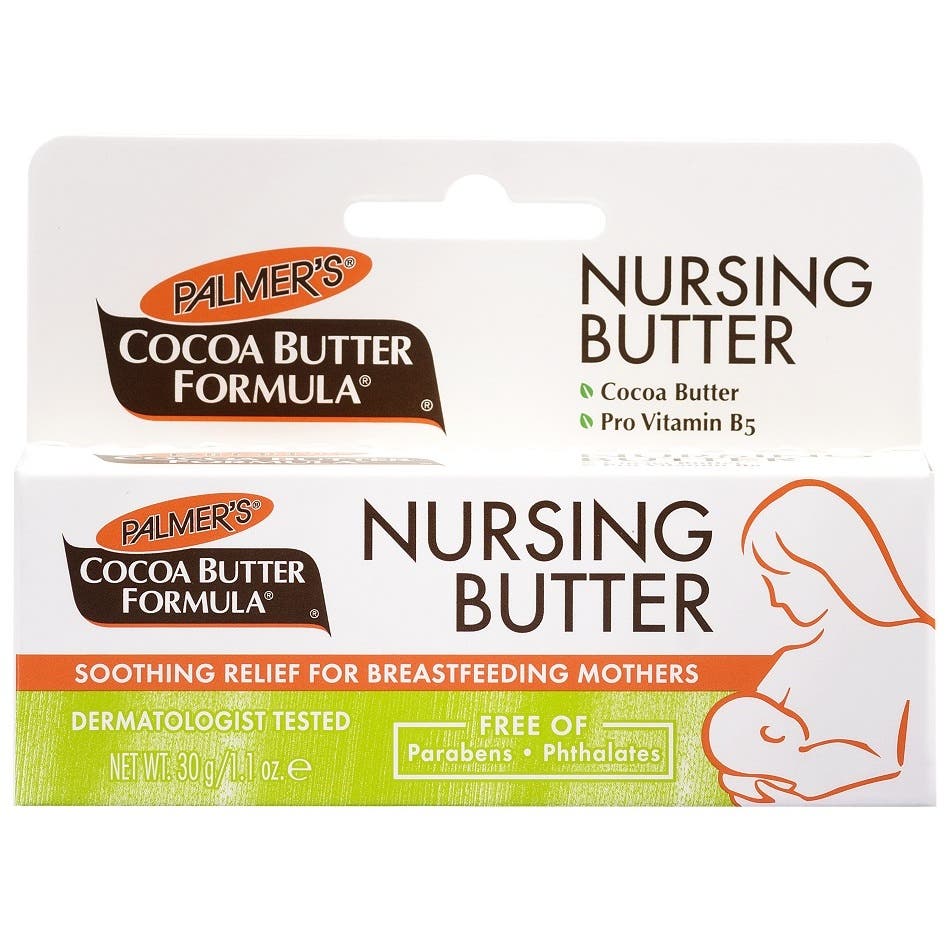 Palmer'sPalmer's Cocoa Butter Formula Nursing Butter 30gPalmer's Cocoa Butter Formula Nursing Butter, 30g. Refer to the product packaging for ingredients, directions, storage, precautions and warnings.S$16.95 is an alternative balm if you prefer a different texture.
If cracking, bleeding or pain continues beyond the first week or two, speak to a lactation consultant; fixing the latch usually helps more than any cream. A red, hot, painful area on the breast with fever needs a doctor promptly.
What to pause or check during pregnancy
Retinoids, including retinol body lotions and firming creams with retinol, are generally avoided during pregnancy.
Strong fragrance and essential oils are worth reducing if your skin or nose has become more sensitive.
Anything you are unsure about can be checked with your obstetrician or pharmacist, ideally with the ingredient list in hand.
After birth
Keep the routine boring for a while. Your skin, sleep and hormones are all adjusting. Continue moisturising if you enjoy it; stretch marks often fade from red or purple to a paler silver over many months on their own. For tightening and firming questions after birth, see our separate guide on postpartum body care.
Bottom line
During pregnancy, pick one stretch mark cream or oil you enjoy, a mild wash, a soothing body lotion for itch and sunscreen for exposed skin. Add a nipple balm near your due date. Keep expectations realistic about stretch marks, and call your doctor about intense itching rather than trying another cream.