Japanese Supplements in Singapore: Popular Types and How to Read Them
Collagen drinks, beauty jellies and daily tablets from Japan are popular in Singapore. What the common types are, how to read Japanese dosing units and labels, and what to check before buying.
Japanese supplements have a loyal following in Singapore. Some of it comes from travel, when shoppers return from Tokyo or Osaka with suitcases of drugstore collagen and vitamin sachets. Some of it is reputation: Japanese products tend to be neatly packaged, carefully dosed and designed for daily use.
But Japanese labels can be confusing, and the categories don't always match what we're used to. This guide covers the most popular types of Japanese supplements you'll find in Singapore, how to read the dosing units, and what to check before you buy.
Why Japanese supplements feel different
A few traits show up again and again:
Small, frequent doses. Many products split the daily amount into two to six small tablets, rather than one large one.
Day counts on the pack. Japanese packs often state how many days the pack lasts, which makes cost-per-day comparisons easy.
Drinkable and jelly formats. Collagen drinks, jelly sticks and powders are far more common than in Western ranges.
Beauty-from-within positioning. Collagen, hyaluronic acid, ceramides and placenta extracts are mainstream supplement ingredients in Japan.
Popular types you'll find in Singapore
Collagen powders
Powders are one of the most practical ways to take collagen, because they deliver a larger amount per serving than tablets. Meiji Amino Collagen Premium Powder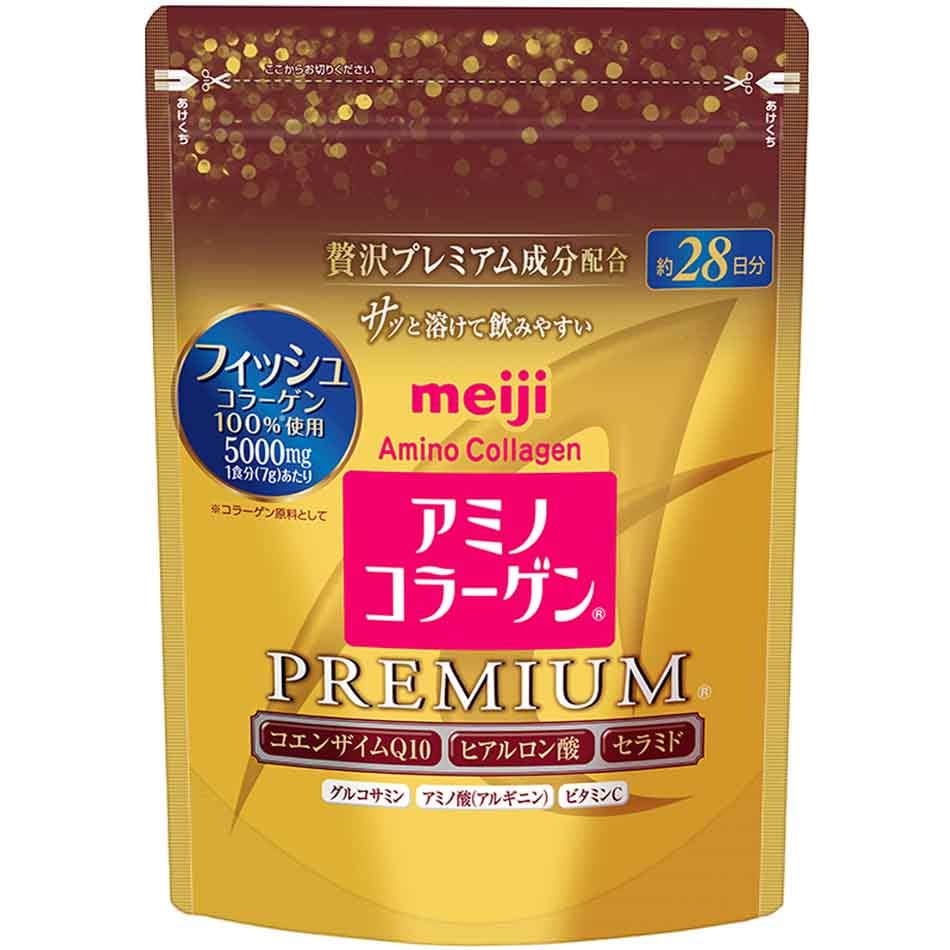 MeijiMeiji Amino Collagen Premium Powder 196 gFish collagen powder with coenzyme Q10, hyaluronic acid and ceramides.S$75.18 is a well-known example, combining fish collagen with coenzyme Q10, hyaluronic acid and ceramides. Powders dissolve into coffee, tea or water and suit people who already have a morning drink habit.
Collagen drinks
Small bottles such as Itoh Japan Crystal Collagen Bottle Drink 5300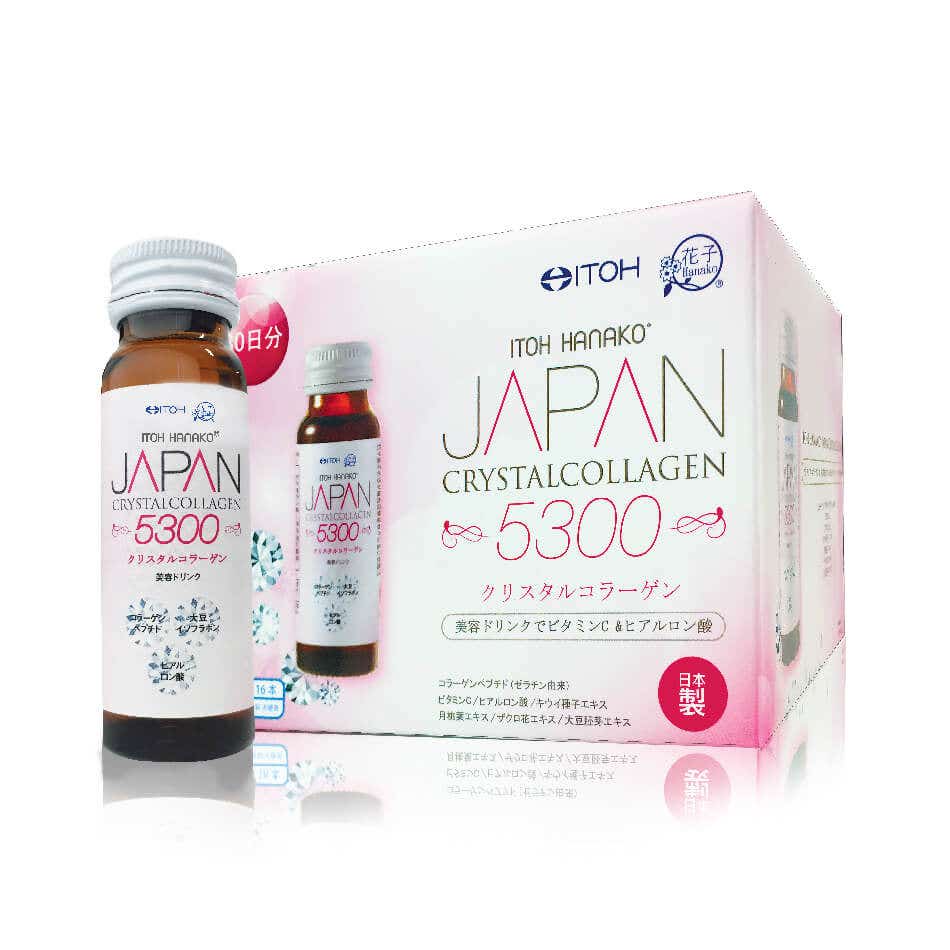 ItohItoh Japan Crystal Collagen Bottle Drink - 5300 16 x 50mlItoh Japan Crystal Collagen 5300 is a collagen drink in 16 bottles of 50ml.S$49.19 and Itoh Hanako Crystal Collagen Beauty Drink
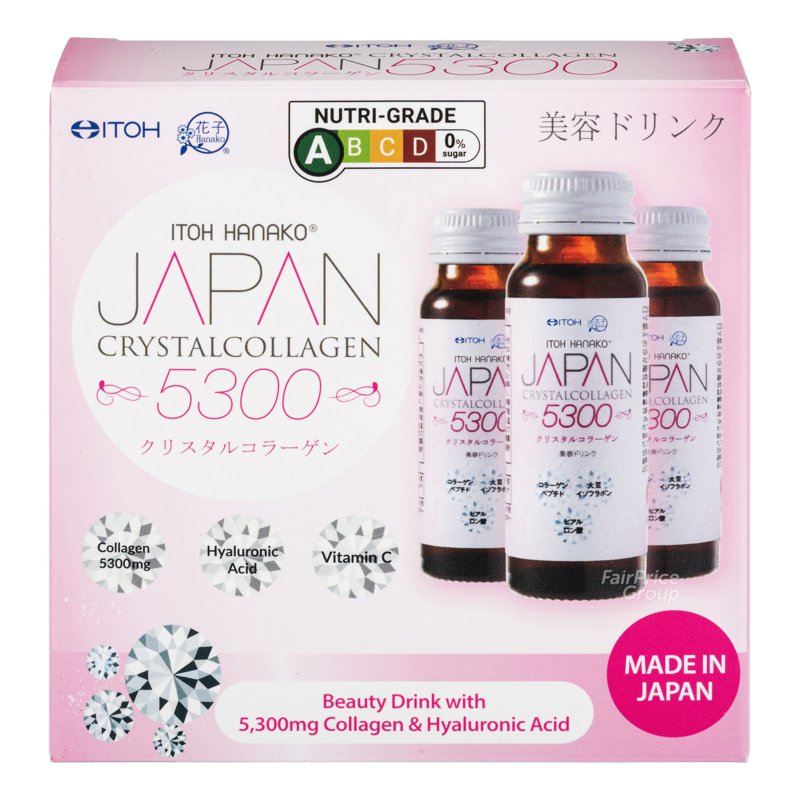 ItohItoh Hanako Crystal Collagen Beauty Drink 3 x 50mlItoh Hanako Crystal Collagen Beauty Drink is a supplement beverage for use as directed on the label.S$11.76 are taken as a single daily shot. They're convenient and pleasant chilled. They also tend to be the most expensive way to take collagen per day, and some contain sugar, so check the nutrition panel if you're watching that.
Numbers in the product name usually refer to the collagen content the brand states per serving, but always confirm the amount on the label rather than assuming.
Jelly sticks
Jellies like Itoh Hanako Nice Berries Jelly Collagen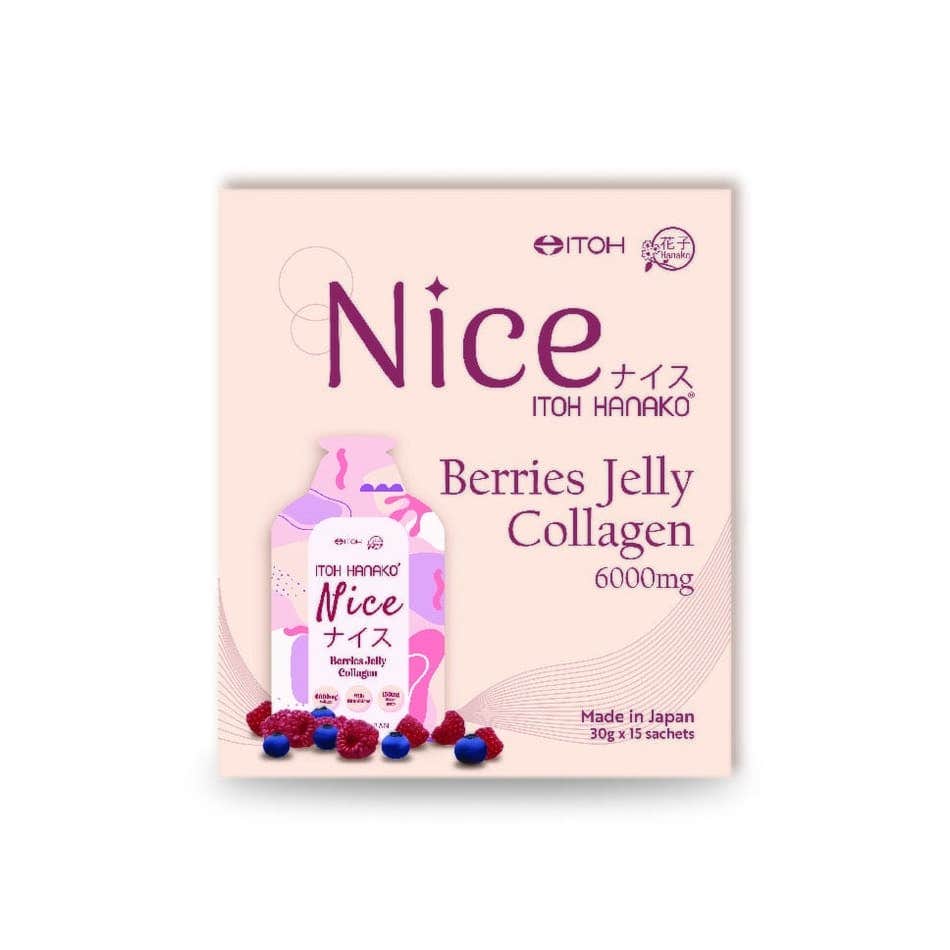 ItohItoh Hanako Nice Berries Jelly Collagen 15 sachets × 30gItoh Hanako Nice Berries Jelly Collagen, 15 × 30g.S$71.39 are squeezed straight from the stick, no water needed. They're popular with people who dislike swallowing tablets or want something to keep in a desk drawer. Store them somewhere cool; Singapore heat isn't kind to jellies left in a bag all day.
Daily tablets
Japanese companies also make tablet supplements aimed at everyday wellness, joints and general vitality. Suntory Locomore comes from Suntory's wellness range, and Japan Clinic Oyster Extract Supplement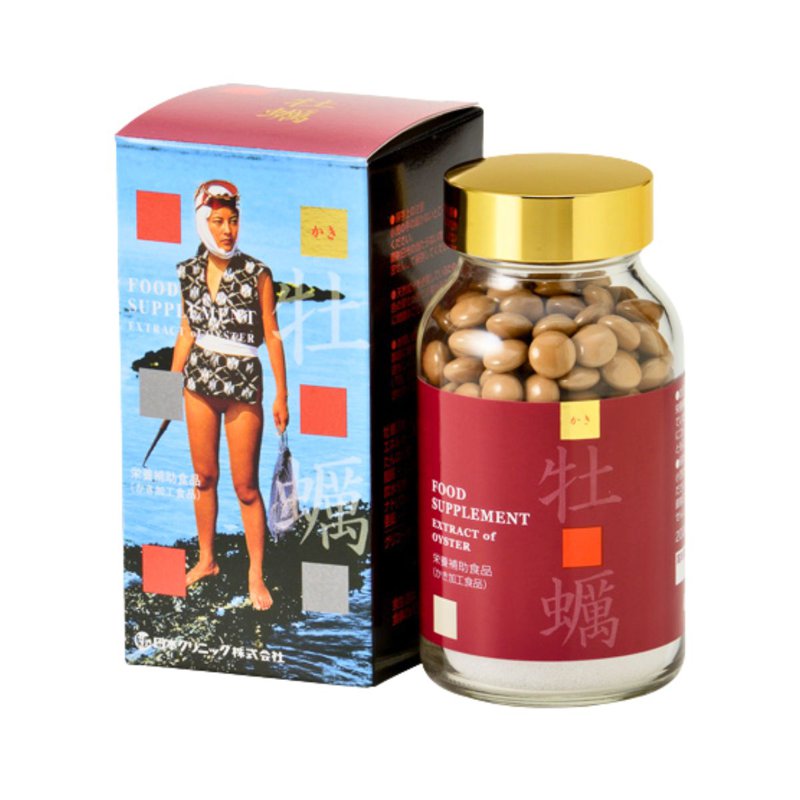 Japan ClinicJapan Clinic Oyster Extract Supplement 100 SDiscover the natural power of the sea with Japan Clinic Oyster 100 Tablets, a concentrated oyster extract packed with various amino acids including taurine and others. Known as the milk of the sea, oysters support heart and overall health. Suitable for daily use. Loved for its benefits in reproductive health and women’s wellness, it is a complete vitality health in every tablet. Take 3 to 6 tablets daily and experience why oyster extract is one of Japan’s most trusted health secrets.S$150.85 is based on oyster extract, a traditional Japanese supplement ingredient. With products like these, read the English label for the full ingredient list and daily dose before deciding whether they suit you.
Eye supplements
Eye-focused supplements are a big category in Japan, usually built around lutein, bilberry or blueberry extract and aimed at people who spend long hours on screens. The same ingredients appear in many non-Japanese brands sold here. What matters is the amount of lutein and zeaxanthin per daily dose, not the country on the box. Supplements can't correct eyesight, so blurred vision or eye pain is a reason to see an optometrist or doctor.
Brands you may know from Japan
FANCL and DHC are two of the most recognised Japanese supplement brands, known for affordable single-nutrient vitamins and multi-day packs. The label-reading tips below apply to them too if you buy them while travelling.
How to read Japanese supplement labels
Products sold in Singapore should carry English information, but the original Japanese packaging often holds useful extra detail. A few terms worth recognising:
1日目安量 (ichinichi meyasu ryō): the suggested daily amount. This is the dose the product is designed around.
粒 (tsubu): tablets or capsules. "1日2粒" means two tablets a day.
包 (hō): sachets or sticks. 本 (hon): bottles.
日分 (nichibun): days' supply. "30日分" means the pack lasts 30 days at the suggested dose.
原材料名 (genzairyō mei): the ingredient list, in descending order by weight.
賞味期限 (shōmi kigen): best-before date, usually written year, month, day.
Japanese claim categories
You may also spot official Japanese food categories on the box:
栄養機能食品: "Foods with Nutrient Function Claims", products containing specified vitamins or minerals at set levels.
機能性表示食品: "Foods with Function Claims", where the company has notified the Japanese authorities of the evidence behind a specific claim.
特定保健用食品 (Tokuho): Japan's longest-standing approved health-food category, recognisable by its figure icon.
These categories are a Japanese system. They don't change how the product is regulated in Singapore, but they tell you something about the claim the manufacturer is making at home.
What to check before you buy
An English label for Singapore. You should be able to read the ingredients, daily dose, warnings and expiry date.
The real daily dose. If the pack says four tablets a day, a 120-tablet bottle lasts 30 days, not 120.
Sugar and calories in drinks and jellies.
Allergens and sources. Collagen is often from fish; oyster and shellfish extracts matter if you have allergies.
Your medicines. Herbal and functional ingredients can interact with prescription drugs; ask your pharmacist.
"Made in Japan" is a mark of careful manufacturing for many brands, but it isn't a guarantee of safety or benefit. In 2024, a red yeast rice supplement made in Japan was recalled after reports of serious health problems, a reminder that any supplement deserves the same caution.
Bottom line
Japanese supplements in Singapore range from collagen powders and drinks to jelly sticks and daily tablets. They're often thoughtfully formatted, but read the daily dose and day count carefully, check the English label for ingredients and sugar, and judge the product by what's inside rather than where it was made.
