Eye Nutrition Supplements: Lutein, Zeaxanthin and Holistic Way Super Lutein and Super Vision
Lutein and zeaxanthin are the headline ingredients in eye supplements like Holistic Way Super Lutein and Super Vision. What they do, what the research really covers, and what screen-tired eyes actually need.
Long days on a laptop, evenings on a phone and a commute spent scrolling: it's no surprise eye supplements sell well in Singapore. Holistic Way Super Lutein and Super Vision are among the familiar names, alongside lutein products from Kordel's, Swisse, Bausch + Lomb and others.
Most of these products are built around two nutrients, lutein and zeaxanthin. This guide explains what they are, what the research does and doesn't show, how to compare the main options, and why tired eyes after a day at the screen usually need habits more than capsules.
Lutein and zeaxanthin in plain English
Lutein and zeaxanthin are yellow pigments from the carotenoid family. They concentrate in the macula, the small central part of the retina responsible for sharp, detailed vision. There they act as a natural filter for blue light and as antioxidants.
Your body can't make them, so they come from food:
Dark leafy greens such as spinach, kai lan and kale.
Egg yolks, where the fat helps absorption.
Corn, orange and yellow peppers, and some other brightly coloured vegetables.
A diet with regular leafy greens and eggs already provides a meaningful amount. Supplements are an option for people who rarely eat these foods, or who've been advised by an eye doctor to take them.
What the research actually covers
The best-known eye supplement research comes from two large American trials called AREDS and AREDS2. They tested specific high-dose combinations of vitamins C and E, zinc and copper, with beta-carotene in the original trial and lutein and zeaxanthin in AREDS2, in older adults who already had a particular stage of age-related eye change, under medical follow-up.
That context matters. The findings apply to that group and that formula. They don't show that healthy younger adults improve their eyesight, or avoid eye conditions, by taking lutein. AREDS2 also led to beta-carotene being replaced with lutein and zeaxanthin in the formula, partly because high-dose beta-carotene isn't advised for smokers.
Smaller studies suggest lutein supplements can raise the amount of pigment in the macula, and some look at visual comfort and contrast. Results are interesting but modest. A fair summary: lutein supports normal eye nutrition, but it isn't a fix for poor eyesight, short-sightedness or screen fatigue.
Holistic Way Super Lutein and Super Vision compared
Holistic Way makes several eye products, and the names can be confusing. Here is how to think about them, based on their positioning. Always check the label for exact ingredients and amounts.
Holistic Way Super Lutein Eye Bright
Holistic Way Super Lutein Eye Bright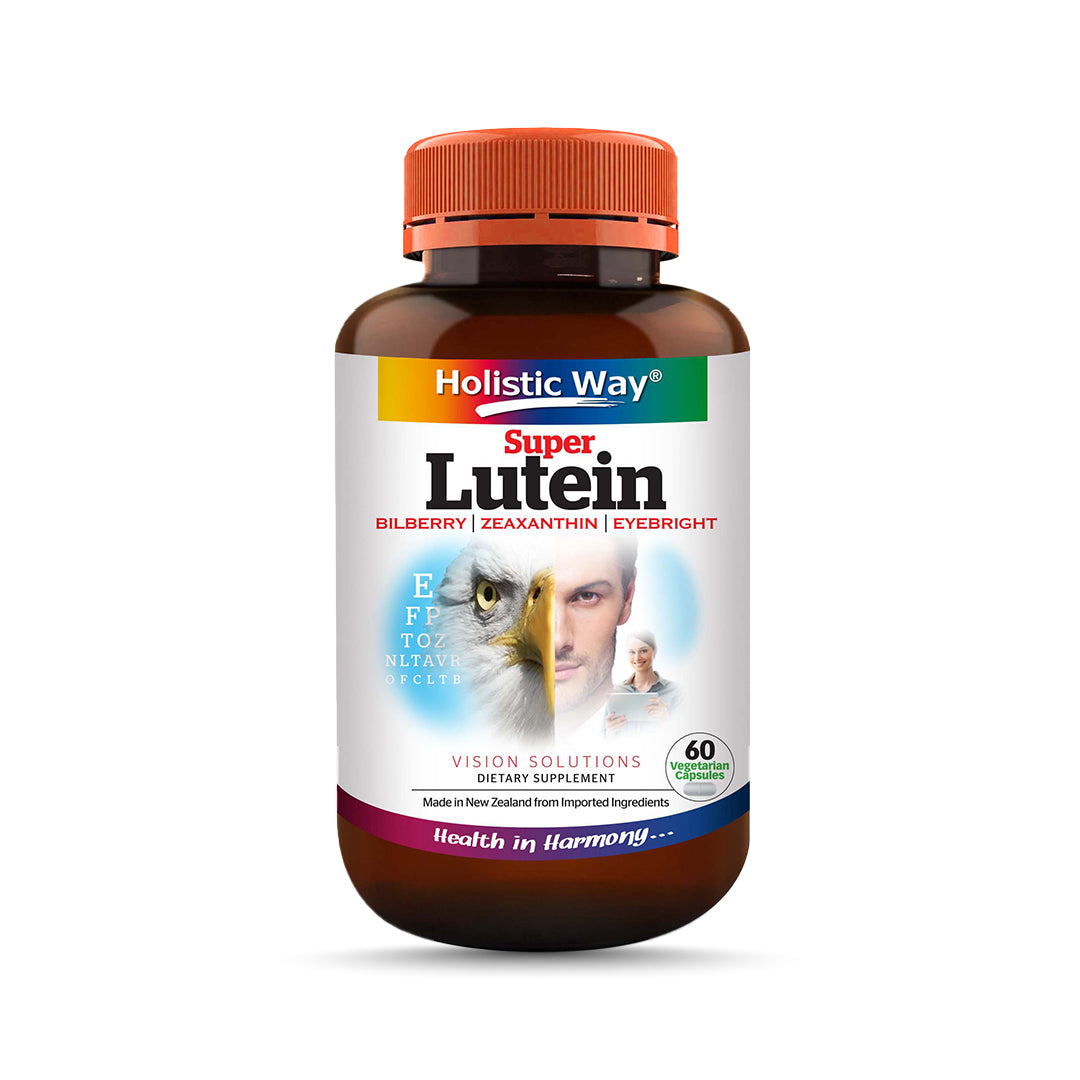 Holistic WayHolistic Way Super Lutein Eye Bright 60sSuper Lutein Eye Bright, 60 capsules.S$61.67 is a capsule product centred on lutein, as the name suggests. It suits people who want a focused lutein supplement as a daily capsule.
Holistic Way Super Vision Eye Nutrition
Holistic Way Super Vision Eye Nutrition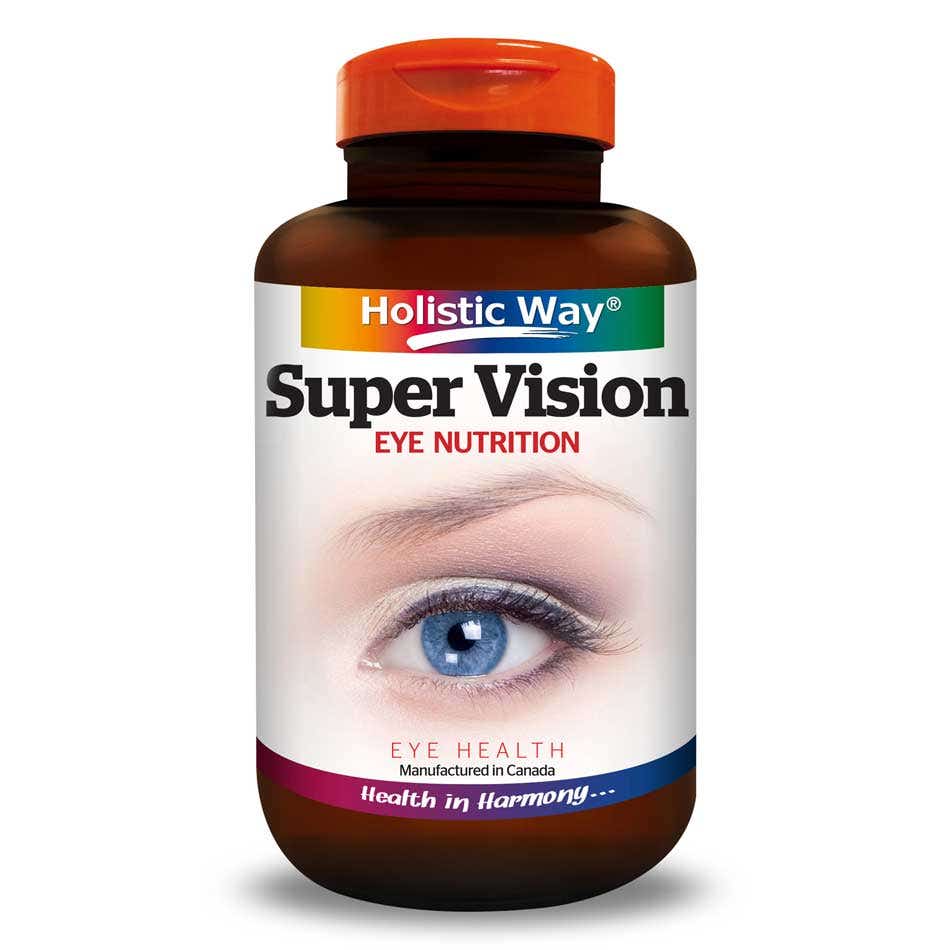 Holistic WayHolistic Way Super Vision Eye Nutrition 90sSuper Vision Eye Nutrition, 90 capsules.S$70.47 is positioned as a broader eye nutrition formula. Broader formulas often combine carotenoids with other vitamins, minerals or botanical extracts, so read the ingredient list to see what you're getting and to avoid doubling up with a multivitamin.
The liquid shots
For people who dislike capsules, Holistic Way Bio-Elixir Super Lutein Shot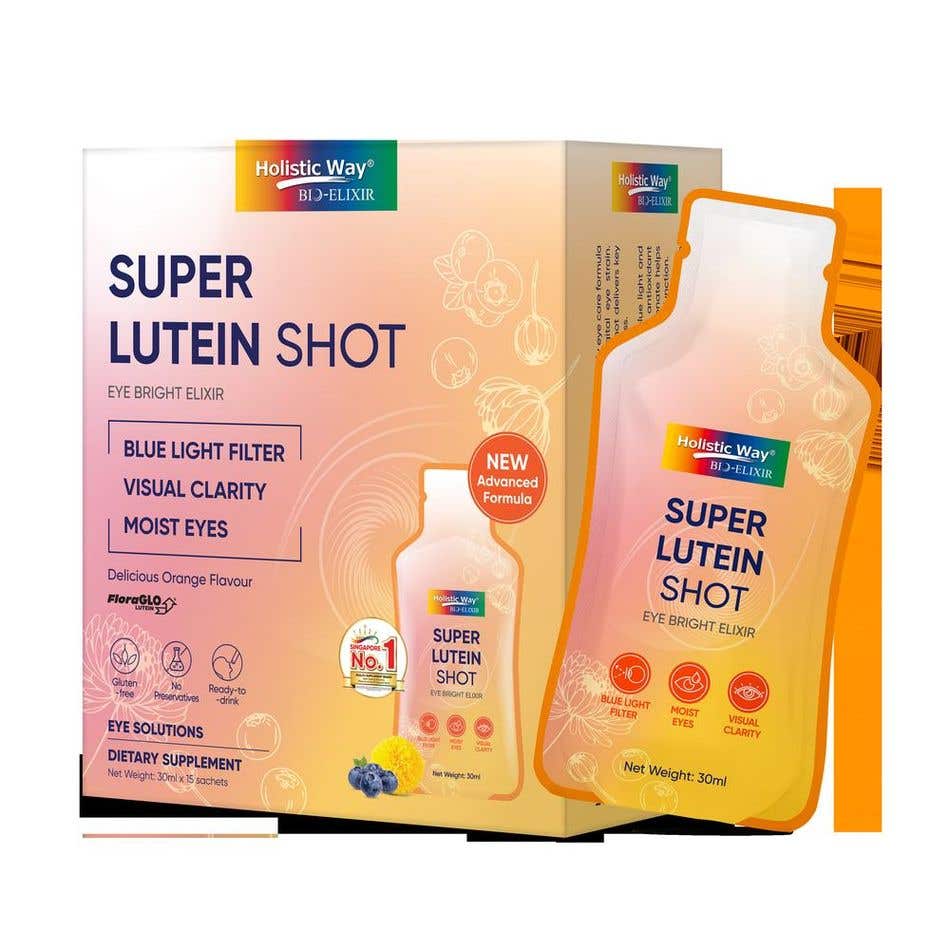 Holistic WayHolistic Way Bio-Elixir Super Lutein Shot 15 × 30mlHolistic Way Bio-Elixir Super Lutein Shot, 15 × 30ml.S$50.40 and Holistic Way Bio-Elixir Super Vision Pro Shot
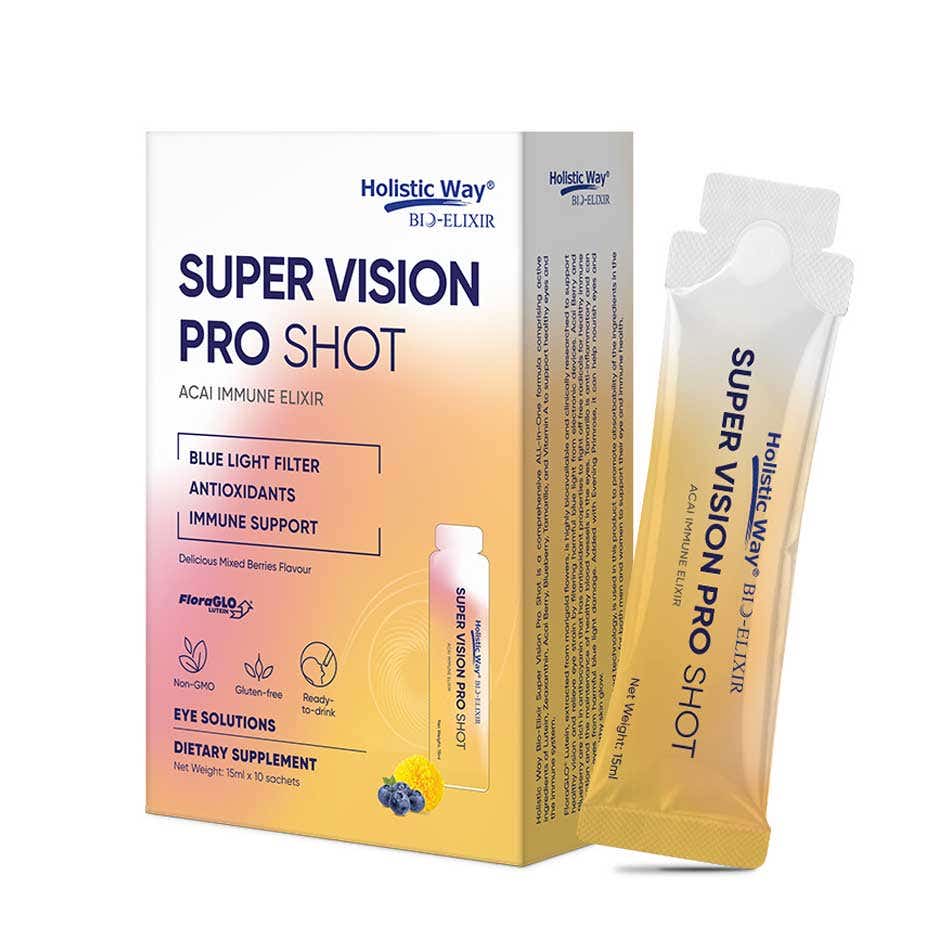 Holistic WayHolistic Way Bio-Elixir Super Vision Pro Shot 10pcsHolistic Way Bio-Elixir Super Vision Pro Shot, 10pcs.S$47.35 come as single-serve drinks. They're convenient, but they usually cost more per day than capsules, and it's worth checking the sugar content.
How to choose between them
Want a simple lutein capsule? Start with Super Lutein Eye Bright.
Want a wider formula and don't already take a multivitamin? Look at Super Vision.
Prefer drinking to swallowing? Try a shot pack first before committing.
Other lutein options worth comparing
If you're shopping across brands, compare the amount of lutein and zeaxanthin per daily dose, the other ingredients, and the cost per day:
Kordel's High-Strength Softgel Capsules Lutein 40mg is a high-strength single-focus softgel. Higher isn't automatically better, so consider whether you need that much.
Swisse Ultiboost Eye Health Protect
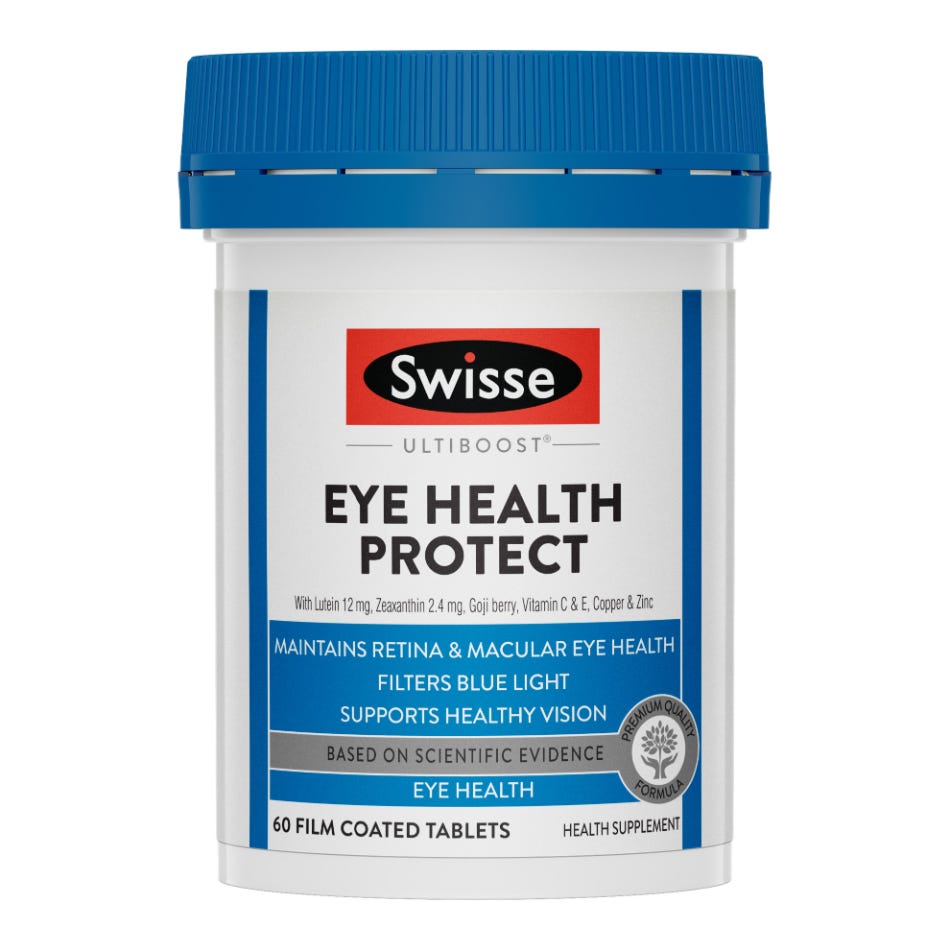 SwisseSwisse Ultiboost Eye Health Protect 60 per packSwisse Ultiboost Eye Health Protect is a 60-tablet dietary supplement.S$60.00 is a combination eye formula from a mainstream brand.
Bausch + Lomb Ocuvite Lutein comes from an eye-care company better known for contact lens solutions and eye drops.
Lutein is fat-soluble, so take it with a meal that contains some fat. Softgels in oil may suit people who often take supplements with light meals.
Screen time myths
A few common beliefs deserve a reality check:
"Lutein stops digital eye strain." Tired, dry, aching eyes after screen work mostly come from staring without blinking, poor lighting, the wrong screen distance and dry air-con. A supplement won't fix those.
"Blue light from phones damages the retina." Everyday screen exposure is far lower than sunlight. Screen habits affect comfort and sleep more than eye health.
"Supplements can reduce short-sightedness." Myopia is very common in Singapore. Spending time outdoors in daylight is one of the measures eye specialists commonly encourage for children; supplements aren't.
For children, products such as Holistic Way Kids Eye Lutein Gummy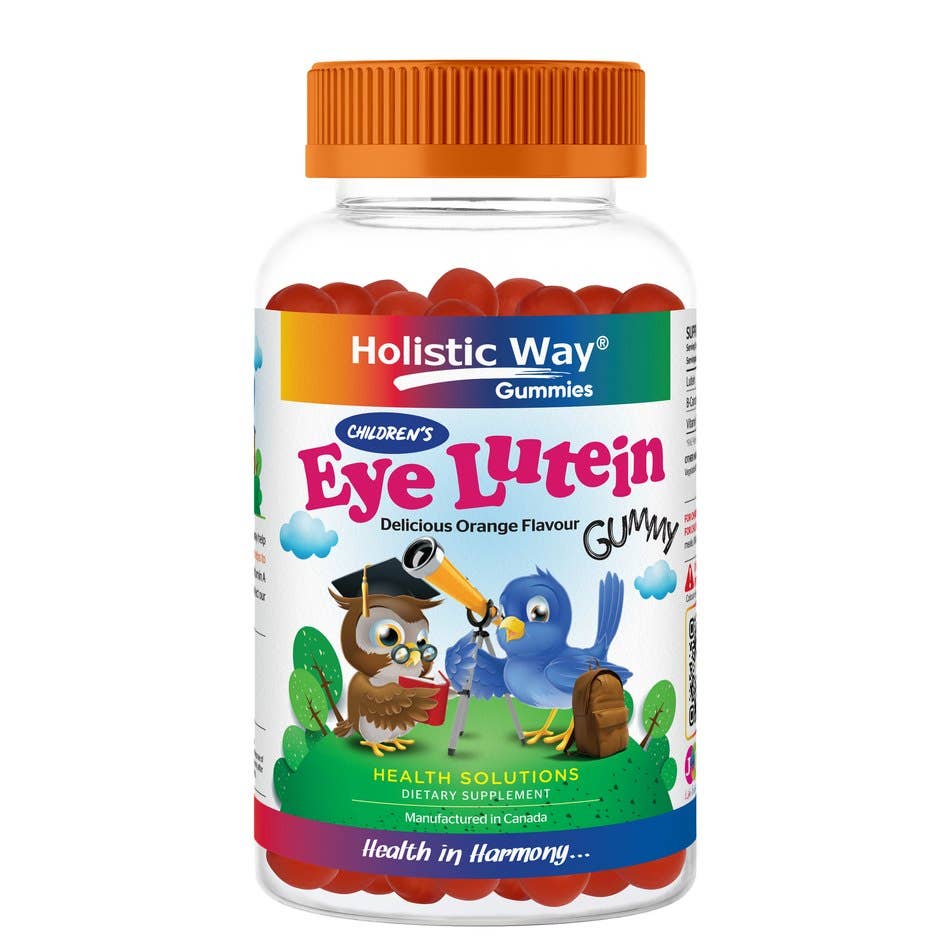 Holistic WayHolistic Way Kids Eye Lutein Gummy 90sChildren's Eye Lutein Gummy, 90 gummies.S$48.27 exist, but outdoor play, screen breaks and regular eye checks matter far more.
What actually helps screen-tired eyes
Follow the 20-20-20 habit: every 20 minutes, look at something about 20 feet (six metres) away for 20 seconds.
Blink fully and often, especially when concentrating.
Keep your screen about an arm's length away and slightly below eye level.
Point air-con vents away from your face, and consider lubricating eye drops if your eyes feel gritty.
Get your eyes tested if you find yourself squinting; an updated prescription often makes the biggest difference.
When to see an eye professional
See a doctor urgently for sudden loss or blurring of vision, a curtain or shadow across your vision, a burst of new floaters or flashing lights, or a painful red eye. For gradual changes, headaches when reading or worsening night vision, book an optometrist or eye doctor. Supplements are not a substitute for an eye examination.
FAQ
How long should I take lutein before deciding whether it's worth it?
Pigment levels in the eye change slowly, over months rather than weeks. If you're taking it for general eye nutrition, there may be nothing to "feel" at all, so decide based on your diet and any advice from your eye doctor rather than waiting for a noticeable change.
Can I take an eye supplement with my multivitamin?
Usually yes, but check for overlap. Many multivitamins already include vitamins C and E and zinc, and broad eye formulas may add more of the same. Add up the totals on both labels.
Is lutein suitable for children?
Lutein from food is part of a normal diet. For supplements, use products made for children at the label dose, and speak to your child's doctor first, especially for young children.
Can a supplement replace eye drops for dry eyes?
No. Dry, gritty eyes from air-con and screens respond best to blinking, breaks, adjusting airflow and lubricating eye drops. Persistent dryness or redness deserves an eye check.
Bottom line
Lutein and zeaxanthin are useful eye nutrients that you can get from leafy greens and eggs, with supplements as a convenient top-up. Holistic Way Super Lutein Eye Bright is the focused option, Super Vision is the broader formula, and the shots suit people who prefer drinks. Keep expectations realistic: supplements support normal eye nutrition, while screen habits and regular eye checks do most of the work for comfortable vision.
