Skin Supplements: Ceramide, Collagen and Glutathione Explained
Can you drink your way to better skin? An honest look at oral collagen, ceramide and glutathione supplements, how they compare with topical skincare, and what to realistically expect.
Skin supplements promise something skincare can't: working from the inside. Collagen drinks, ceramide capsules and glutathione tablets are popular beauty buys in Singapore, often bought alongside serums that contain the very same ingredient names.
It's a reasonable question whether swallowing an ingredient does the same job as applying it. The short answer is no, it doesn't work the same way, and the evidence for each supplement differs a lot. Here's how to think about each one, and how to decide whether it's worth your money.
Oral and topical are two different routes
When you apply a ceramide cream, the ceramides sit in the outer layer of the skin and help support the barrier directly. When you swallow ceramides or collagen, your digestive system breaks them down before anything reaches the skin. Any effect comes from fragments and building blocks circulating in the blood, not from the original molecule landing in your face.
That doesn't mean oral supplements can't help, but it changes the expectation. Topical products act where you put them. Oral products act, if at all, slowly and modestly across the whole body.
For the topical side, our guide to barrier ingredients like ceramides, panthenol and glycerin explains what each one does on the skin.
Collagen: the most studied of the three
Collagen is the main structural protein in skin. Collagen supplements are usually hydrolysed into small peptides, from fish (marine), cows (bovine) or other sources.
What the research suggests
A number of trials have found that taking collagen peptides daily for around two to three months may lead to modest improvements in skin hydration and elasticity. Many of those studies are small and funded by manufacturers, so results should be read with care. The effect, where it appears, is gradual and subtle rather than dramatic.
Choosing a format
Tablets such as Swisse Beauty Collagen Glow
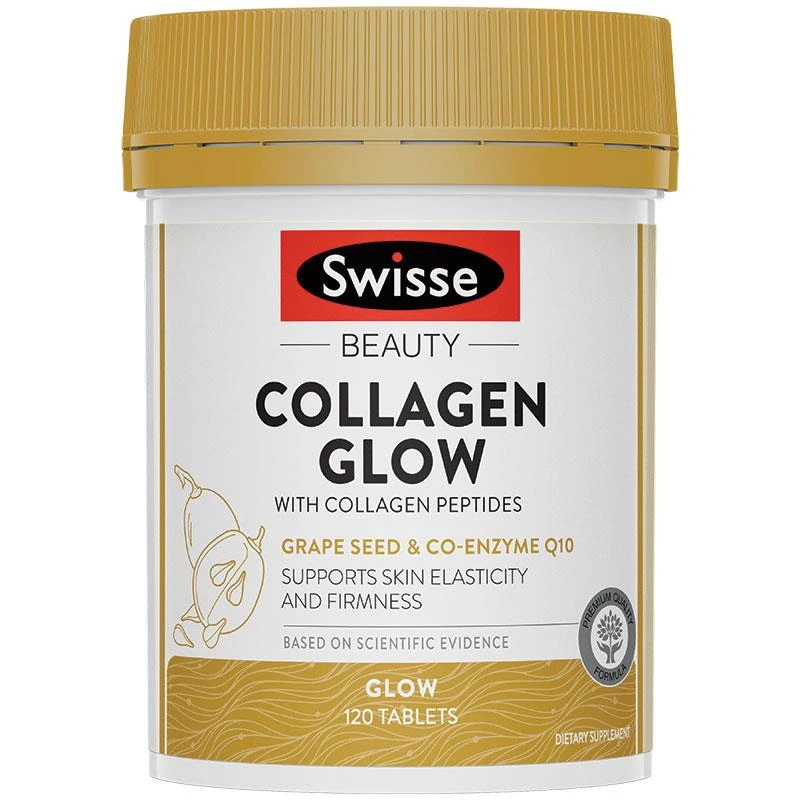 SwisseSwisse Beauty Collagen Glow 120 TabletsCollagen is a major protein important for the skin's matrix Contains vitamin C to support skin repair and skin health Formulated with grape seed extract and co-enzyme Q10 Supports radiant, glowing skinS$85.39 are convenient, but tablets can only hold a small amount of collagen each, so check the dose per serving.
Powders and sachets like Blackmores Marine Collagen Powder or the tub-format Applied Nutrition Marine Collagen Powder
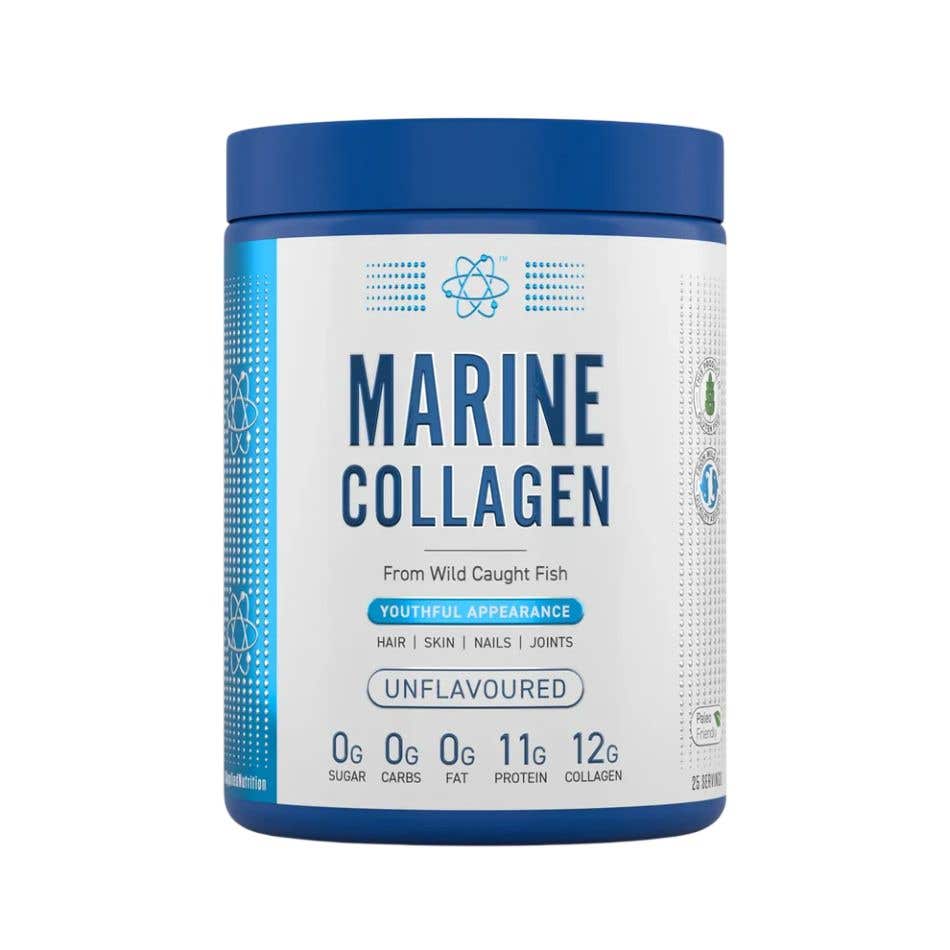 APPLIED NUTRITIONApplied Nutrition Marine Collagen Powder Unflavoured 300gLook & Feel Your Best with the collagen trusted by Coleen Rooney for her radiant beauty! Applied Nutrition Hydrolysed Marine Collagen Peptides are neutral in flavour, making them perfect for adding to water, coffee, smoothies, recipes, yogurts, and more. Mixable in hot or cold liquids, they’re an easy addition to your daily routine—anytime, anywhere. Unlock your beauty potential with the choice of a true style icon!S$69.79 can deliver more per day and mix into coffee, smoothies or water.
Drinks and shots are pleasant and portable but often the most expensive per gram of collagen, and some contain added sugar.
Collagen is a protein. If your diet is low in protein overall, fixing that may matter more than adding a beauty supplement. Vitamin C is also needed for the body to make its own collagen, and it's easy to get from fruit and vegetables.
Ceramide supplements: interesting, but early
Oral ceramide supplements usually contain plant-derived ceramides, sometimes called phytoceramides, from sources such as wheat, rice or konjac. They're popular in Japan, where much of the early research was done.
Small studies suggest they may help skin hydration in people with dry skin. The research is limited in size and number, so it's fair to call this promising rather than proven. Products to look at include Kordel's Ceramide Extract Tablet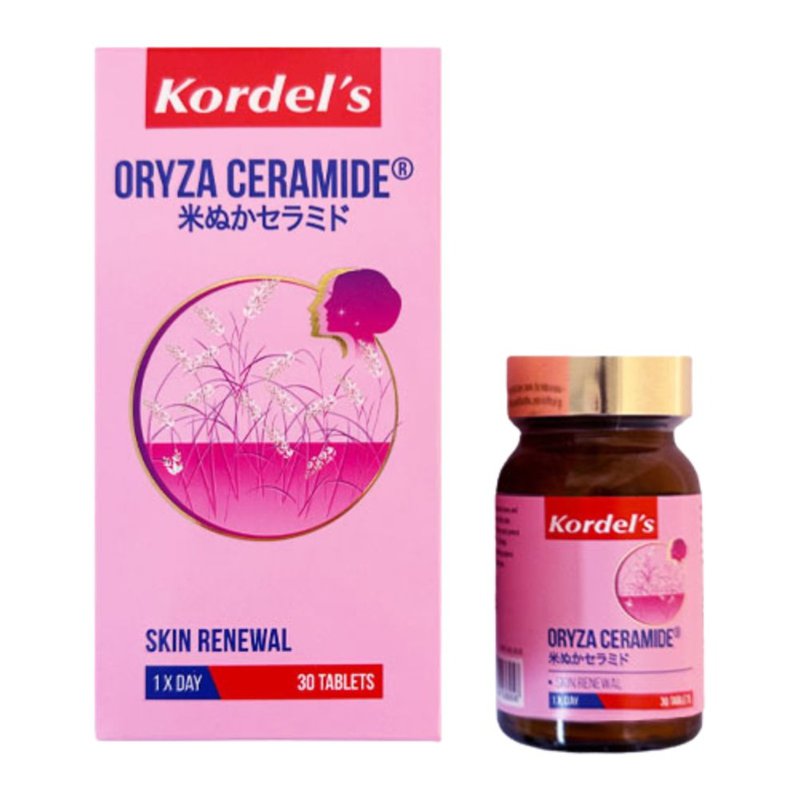 Kordel'SKordel's Ceramide Extract Tablet (Skin Renewal) 30 per packKordel’s Ceramide Extract Tablets are a supplement; use as directed on the label.S$78.40 and 21st Century Vegetarian Capsules Ceramides.
If your skin feels tight in office air-con, a ceramide moisturiser applied twice a day will do more, faster, than a ceramide capsule. A supplement is an optional extra, not the fix.
Glutathione: popular for brightening, weakest evidence
Glutathione is an antioxidant your body makes itself. It's heavily marketed in Asia for a brighter, more even complexion. Products like Holistic Way Skin White L-Glutathione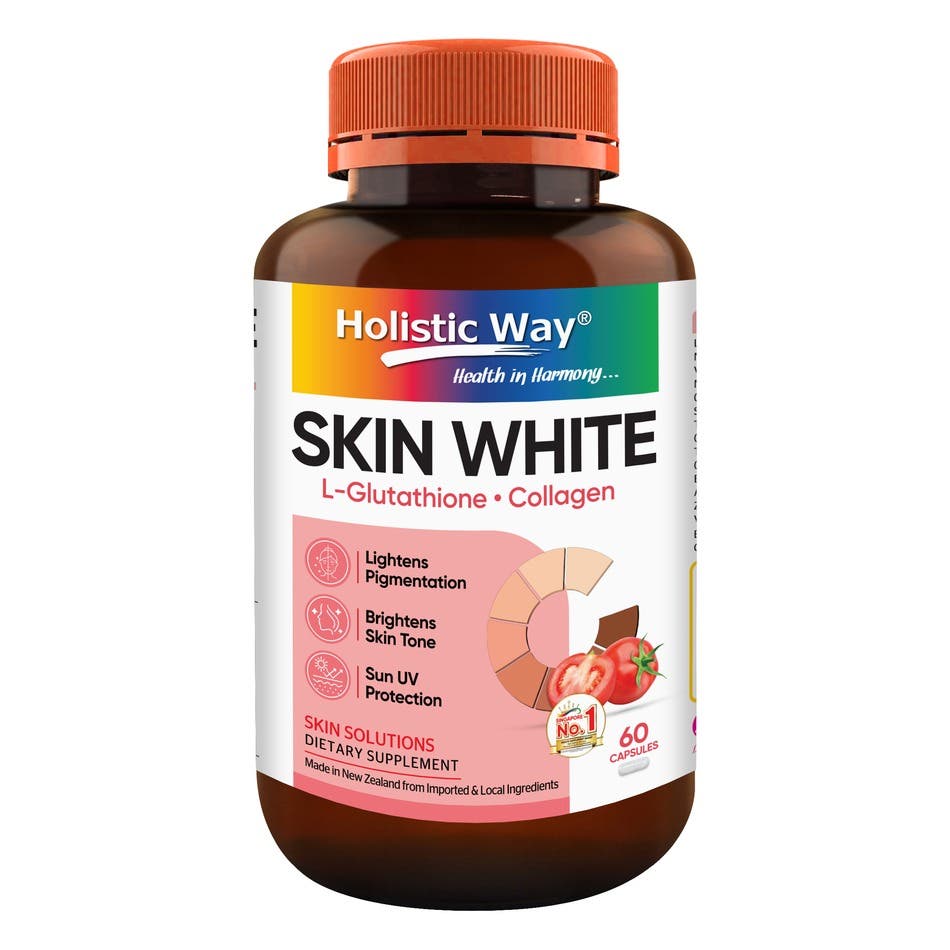 Holistic WayHolistic Way Skin White L-Glutathione 60sSkin White L-Glutathione, 60 capsules.S$95.08 and VitaHealth L-Glutathione Plus
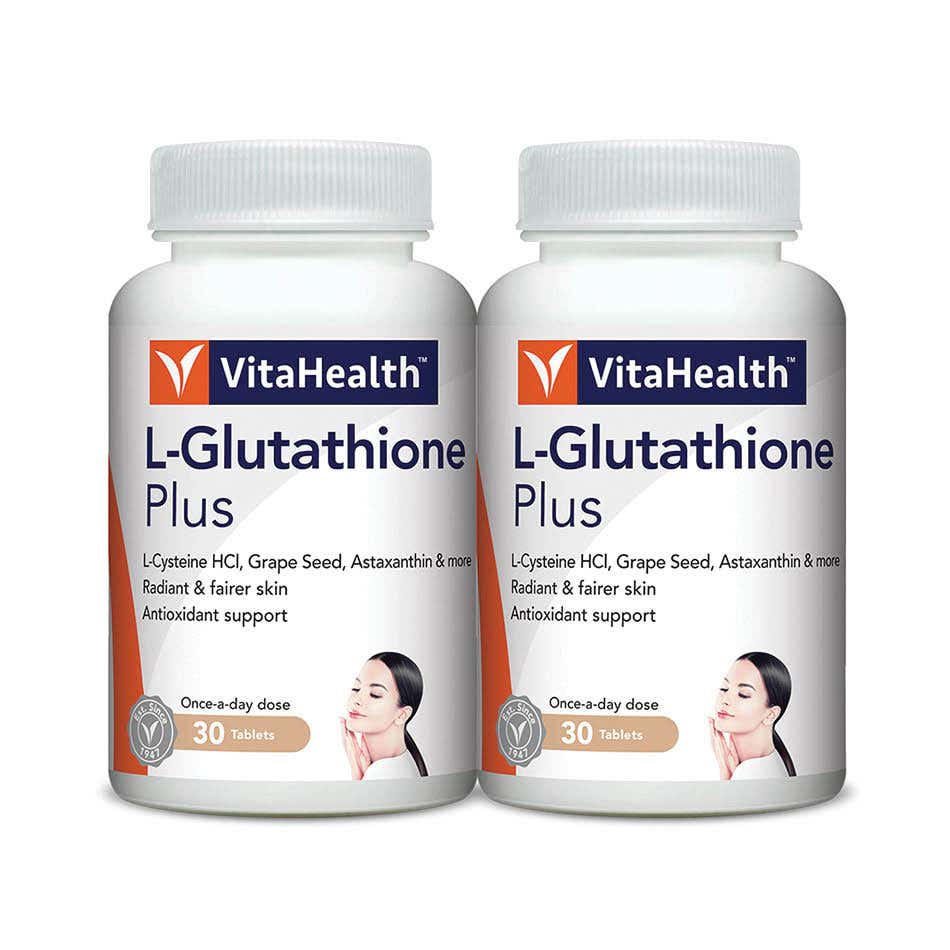 VitaHealthVitaHealth L-Glutathione Plus Twin Pack 2 × 30 TabletsVitaHealth L-Glutathione Plus — Twin Pack, 2 × 30 Tablets.S$104.39 are typical oral options.
Here is the honest picture:
Oral glutathione is partly broken down in the gut, and studies on its effect on skin tone are few, small and mixed.
No supplement should be expected to whiten or permanently change your natural skin colour, and claims that promise this deserve suspicion.
Glutathione injections and drips marketed for skin lightening are a different matter and carry real risks. They're not something to try at a beauty salon.
If uneven tone is your concern, daily sunscreen and proven topical ingredients do far more. Our guides on uneven skin tone and why "whitening" body products can be risky are good next reads.
How to try a skin supplement sensibly
If you'd like to try one, a fair test looks like this:
Choose one supplement only, so you can tell whether it's doing anything.
Keep your skincare routine unchanged during the trial.
Take a photo in the same light at the start, and again after eight to twelve weeks.
Judge honestly. If you can't see a difference, you're paying for hope.
Check the label for sugar in drinks and gummies, and for fish or shellfish sources if you have allergies. If you're pregnant, breastfeeding or take regular medication, check with a pharmacist first.
When skin needs more than a supplement
A sudden change in your skin, such as a spreading rash, patches that don't heal, or new dark patches with no clear cause, isn't a job for collagen or glutathione. See a doctor, as covered in when skincare needs a doctor.
Bottom line
Of the three, collagen has the most research behind it, with modest effects on hydration and elasticity over a few months. Oral ceramides are promising but early. Glutathione has the weakest evidence for skin and the most overblown marketing. Topical skincare and sunscreen do the heavy lifting; a skin supplement, if you choose one, is a small extra to test patiently.