Face Cream, Day Cream or Facial Moisturiser: What the Names Actually Mean
Face cream, day cream, night cream, facial moisturiser, lotion, emulsion. Some of these names tell you something useful and some are just packaging. Here is how to read them and choose.
"Facial moisturiser" is the umbrella term. Underneath it, brands use a confusing mix of names: face cream, day cream, night cream, lotion, emulsion, milk, gel cream, water cream. Two products with different names can be nearly identical, while two products both called "day cream" can feel completely different on your skin.
The good news is that only a couple of these names carry practical meaning. Once you know which ones, choosing gets much easier.
The umbrella: facial moisturiser
A facial moisturiser is any leave-on product whose main job is to keep the skin's outer layer hydrated and comfortable. Most combine three types of ingredient in different proportions:
Humectants such as glycerin and hyaluronic acid, which attract water.
Emollients such as light oils and esters, which smooth and soften.
Occlusives such as petrolatum, dimethicone or heavier butters, which slow water loss.
Texture names (gel, lotion, cream, balm) roughly tell you the balance. Gels lean on humectants with little oil. Lotions add some emollients. Creams add more. Balms are mostly emollients and occlusives. If you want to know more about the individual ingredients, our barrier ingredients explainer goes deeper.
Face cream
"Face cream" usually just means a cream-textured facial moisturiser, thicker than a lotion. It does not imply day or night use, or any particular active ingredient.
Kiehl's Ultra Facial Cream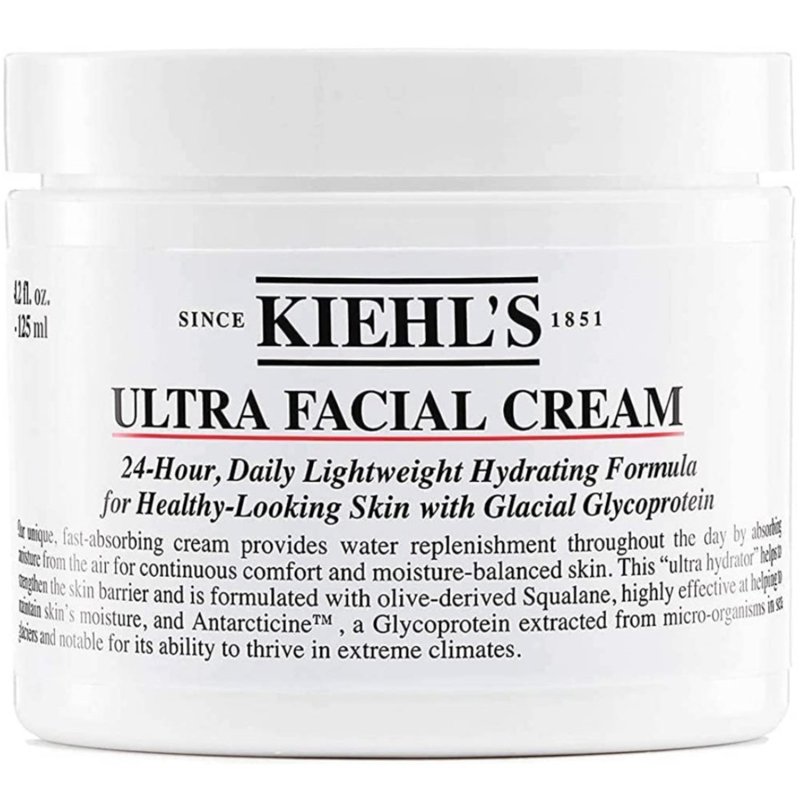 Kiehl'sKiehl's Ultra Facial Cream 125mlOur No. 1 ultra hydrating facial cream has a unique lightweight texture and lasting 24-hour hydration to leave skin softer, smoother and visibly healthier. Formulated with renewable Glacial Glycoprotein and olive-derived Squalane, this non-greasy, lightweight moisturizer recovers the skin barrier 55% faster and delivers 2X the hydration, even in skins driest areas. Exp 082025S$108.90 is a well-known everyday face cream with a medium texture that many people use morning and night. At the richer end, the classic Nivea Creme
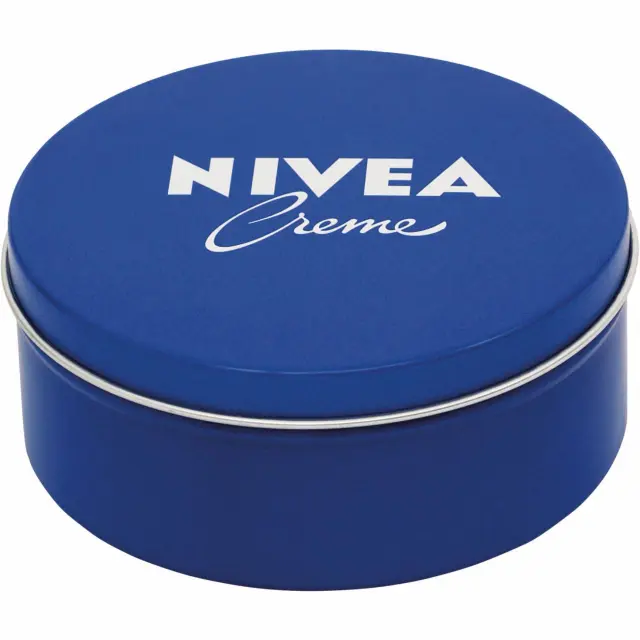 NiveaNivea Creme 400mlDiscover NIVEA Creme, the original moisturiser tailored for the whole family.S$11.59 is an all-purpose cream for the whole family; on the face, it is usually more comfortable on very dry patches or as a night-time layer in air-con than as an all-over day cream in the heat.
Day cream
"Day cream" signals that a moisturiser is designed to sit well under sunscreen and makeup. Often it is lighter than the same brand's night cream. Sometimes, but not always, it contains SPF.
This is the one label worth reading closely:
Day cream with SPF in the name, such as L'Oréal Paris Revitalift Day Cream SPF 35 PA++
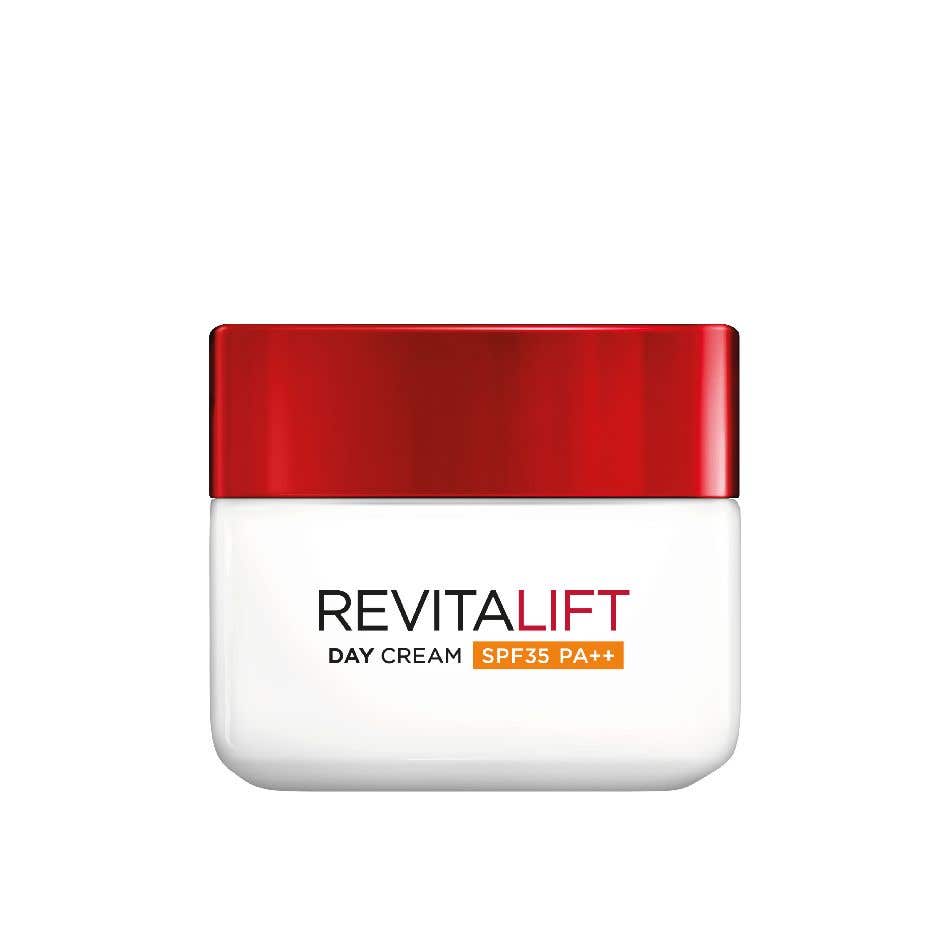 L'Oréal ParisL'Oréal Paris Day Cream - Revitalift SPF 35 PA++ 50ml• Featured with anti-wrinkle and firming formula
• Enriched with dermalift, pro-retinol A and centella asiaticaS$38.28, can stand in for sunscreen on a short, mostly indoor day, as long as you apply a generous amount.
Day cream without SPF, such as Hada Labo Premium Hydrating Day Cream
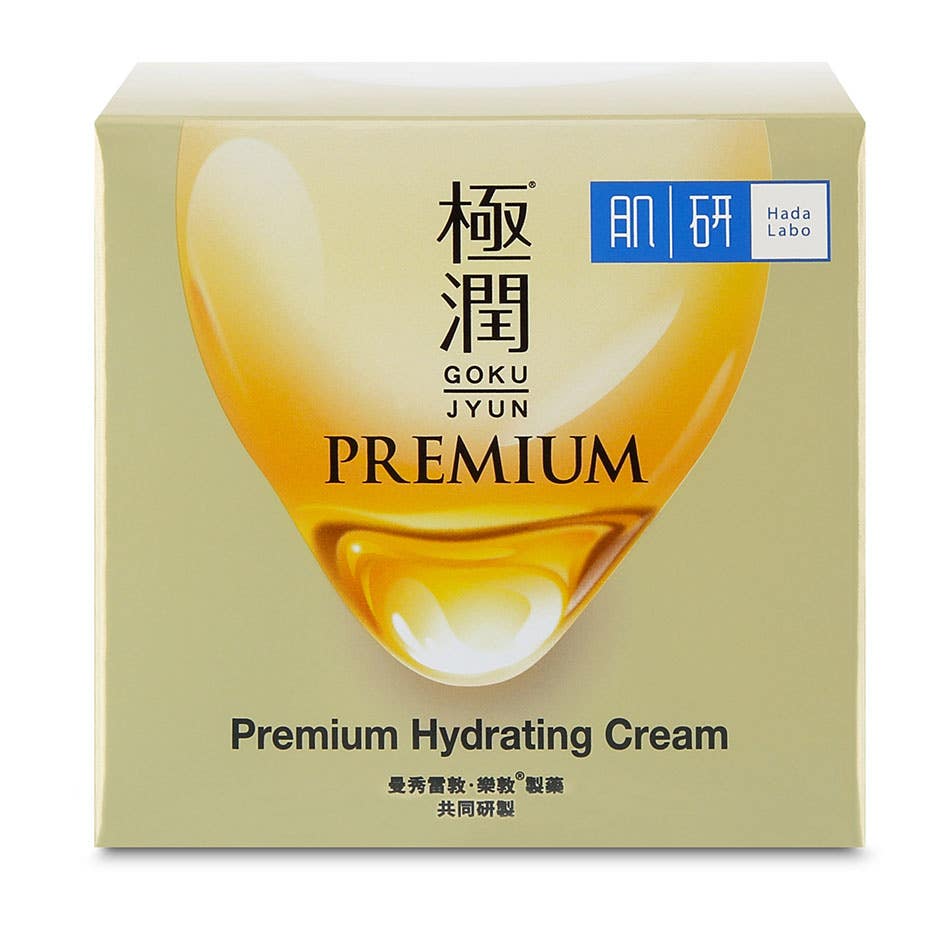 Hada-LaboHada-Labo Premium Hydrating Day Cream 50gwith algae derived sacran which has high water retention capability to immerse skin with intense moisture skin pH balance, low irritation. free of fragrance, colorant and alcohol.S$38.98, is purely a moisturiser. You still need a separate sunscreen on top.
A light SPF moisturiser like Cetaphil Daily Facial Moisturiser SPF15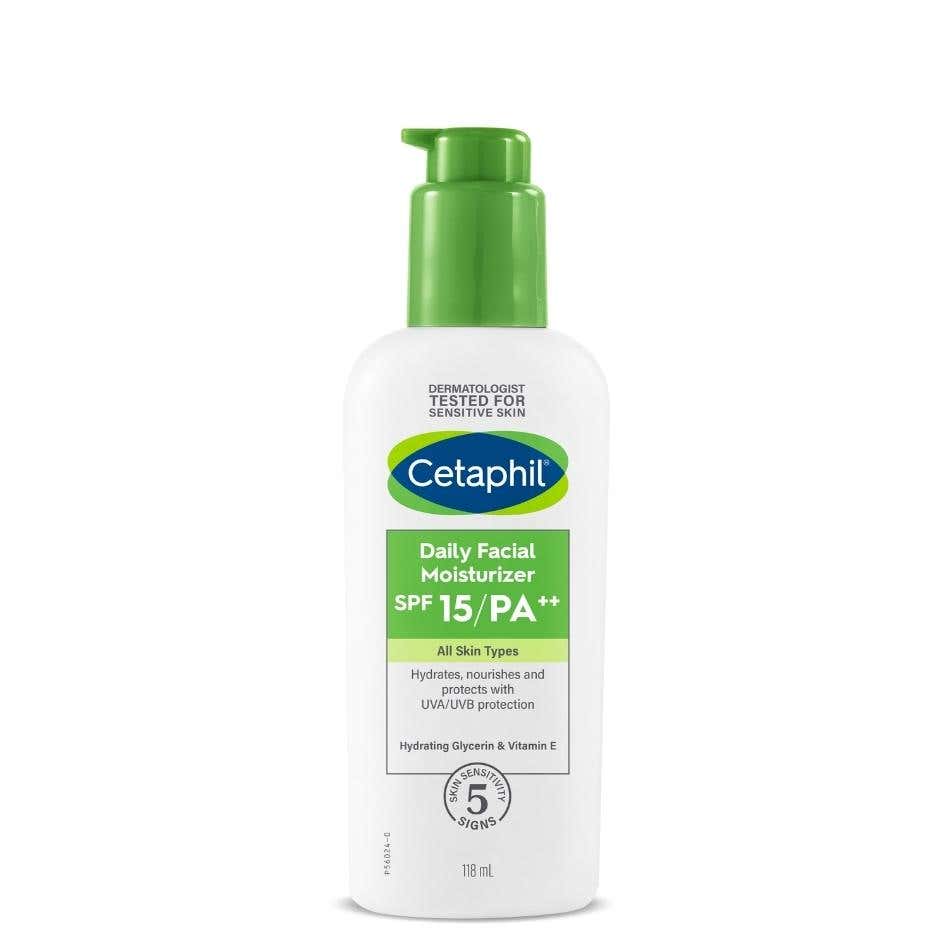 CetaphilCetaphil Daily Facial Moisturizer SPF15 118mlCetaphil Daily Facial Moisturizer SPF15 118ml is a SPF moisturiser in a 118ml pack.S$24.35 is convenient for errands and office days, but SPF15 is on the low side for long outdoor exposure in Singapore. On days with lunchtime walks, outdoor sport or the beach, use a dedicated sunscreen with higher protection. Our daily sunscreen guide explains how to choose.
A practical point: most people apply far less moisturiser than the amount used in SPF testing, so the real protection from an SPF moisturiser is often lower than the label. If sun protection matters that day, do not rely on a moisturiser alone.
Night cream
"Night cream" usually means a richer texture, no SPF, and sometimes ingredients such as retinoids or exfoliating acids that are better used at night. Aveeno Calm + Restore Re-Hydrating Night Cream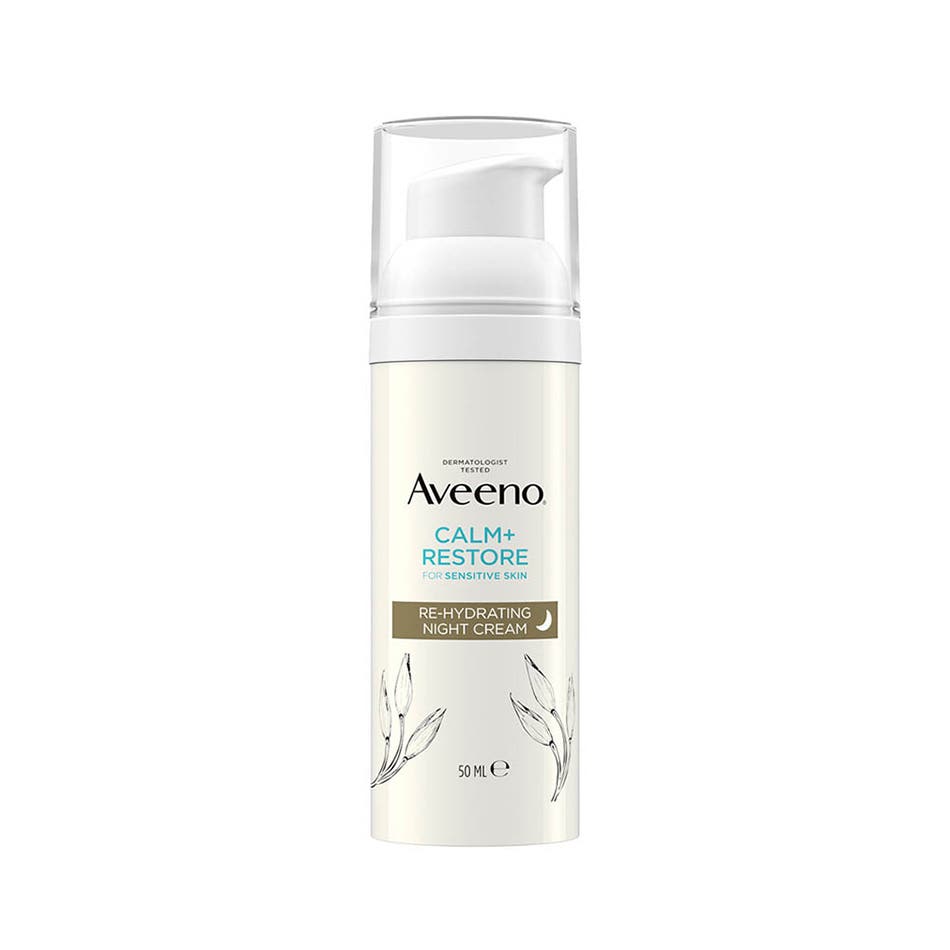 AveenoAveeno Calm + Restore Re-Hydrating Night Cream 50mlIntensely nourish and strengthen the protective skin barrier overnight with Aveeno Face CALM+RESTORE Re-Hydrating Night Cream. Formulated for sensitive skin, the rich and velvety texture night cream replenishes and nourishes the skin’s moisture barrier as you sleep, for soothed skin in the morning. Non greasy and fast absorbing, it is clinically proven to nourish sensitive skin and helps to prevent skin de-hydration the next day with 48 hour moisturisation
The Re-Hydrating Night Cream is formulated with rich Shea Butter, and Mineral Complex known to increase the surface skin cell turnover*, leaving skin moisturised and healthy-looking. It contains Prebiotic Oats, known to help soothe and repair skin by restoring its moisture barrier, and Calming Feverfew, known for its antioxidant properties and for helping to calm skin.
Clinically proven to nourish sensitive skin: formulated for sensitive skin, dermatologist tested, non-comedogenic, hypoallergenic**, and fragrance free. For normal tS$38.39 is an example of a comforting night cream without strong actives.
Do you need one? Not necessarily. If your day moisturiser keeps you comfortable overnight, it can double as your night cream. A separate night cream earns its place if your skin feels dry by morning, if you sleep in air-con, or if you want to add a specific active at night.
Lotion, emulsion and milk
These are lighter, more fluid formats. "Emulsion" and "milk" are common in Japanese and Korean skincare and usually mean a thin, milky lotion that absorbs quickly.
Clinique Dramatically Different Moisturizing Lotion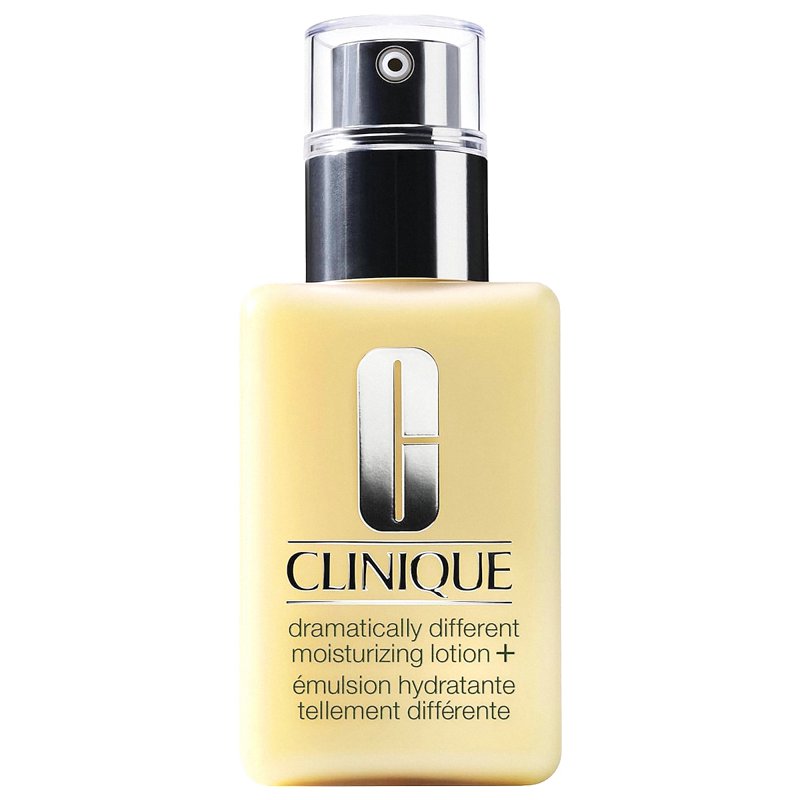 CliniqueClinique Dramatically Different Moisturizing Lotion 125mlCombines all-day hydration with skin-strengthening ingredients. Delivers 8-hour hydration + soothing moisture for skin in need of comfort. Hydrates to soften, smooth, improve and helps strengthen skin’s own moisture barrier so more moisture stays in. Replenishes skin’s oil-water balance for healthy skin. Skin is more resilient. Silky texture penetrates quickly. Dermatologist-developed and allergy tested. 100% Fragrance free. Suitable for very dry to dry combination skin.S$61.60 is a long-running example: fragrance-free, silky, and aimed at very dry to dry-combination skin despite its light feel. Lotions are often the sweet spot for Singapore days, comfortable under sunscreen without feeling heavy.
Gel, gel cream and water cream
Gels and gel creams are the lightest options and the most popular in humid climates. They feel cool and absorb fast. If your skin is oily or you hate the feeling of cream, start here. Our guide to choosing a moisturiser for oily skin covers what to look for.
How to choose, step by step
Pick the texture first. Oily skin: gel or gel cream. Combination: lotion or gel cream. Normal: lotion or light cream. Dry or air-con heavy days: cream.
Decide on SPF. If you will wear a separate sunscreen anyway, skip SPF in your moisturiser. If you want one less step on short indoor days, choose a day cream with SPF in the name.
Add actives only if you need them. Anti-ageing, brightening and acne claims usually mean extra ingredients. Start with a plain moisturiser if your skin is sensitive.
Check fragrance. If your skin is reactive, fragrance-free is a sensible default.
Common mistakes
Assuming "day cream" means sun protection. Only if SPF is stated.
Buying a rich night cream for an oily face. Many people do fine with the same light moisturiser day and night.
Using too little. A pea-sized amount is often not enough for the whole face and neck. Aim for enough to spread easily without tugging.
Layering three moisturisers. If you need that many, the main one is probably the wrong texture.
Bottom line
"Facial moisturiser" is the category; "face cream", "lotion" and "gel" describe texture; "day" and "night" describe intended use. The only label that changes what else you need is SPF. Choose texture for your skin and climate, decide whether you want SPF built in, and keep it simple unless you have a specific concern.