Baby Lotion, Cream or Balm? Choosing the Right Baby Moisturiser
Lotion, cream and balm are not just different names for the same thing. How each texture works, which one suits your baby's skin and Singapore's climate, and how to use a nappy barrier balm properly.
Walk down the baby aisle and you will find lotions, creams, balms, butters and ointments, often from the same brand and sometimes with almost identical packaging. It is easy to assume they are interchangeable.
They are not. The main difference is how much water and how much oil each one contains, which changes how it feels, how long it lasts on the skin, and what it is best for. Once you understand that, choosing a baby moisturiser gets much easier.
This guide covers what each texture does, which one suits which kind of baby skin, and how to use them sensibly in Singapore's mix of humid outdoors and chilly air-con. For adult body care, the same logic is covered in Body Oil, Lotion, Cream or Balm?.
Does your baby even need a moisturiser?
Not always. Many babies with healthy, soft skin need nothing beyond a mild bath. Newborns often go through a phase of peeling skin in the first couple of weeks; this is normal and usually settles on its own.
A moisturiser is useful when your baby's skin looks dry, rough or flaky, when they spend long hours in air-conditioning, or when they have eczema-prone skin. If you are unsure, start with a light product on the drier spots only.
The texture scale, from lightest to richest
Lotion
Lotions contain the most water and the least oil. They spread easily, absorb quickly and feel light, which suits Singapore's heat.
Best for: normal baby skin, everyday use, warm days, larger areas such as arms, legs and body.
Limits: they do not last long on very dry skin and may not be enough for eczema-prone babies.
Aveeno Baby Daily Moisture Lotion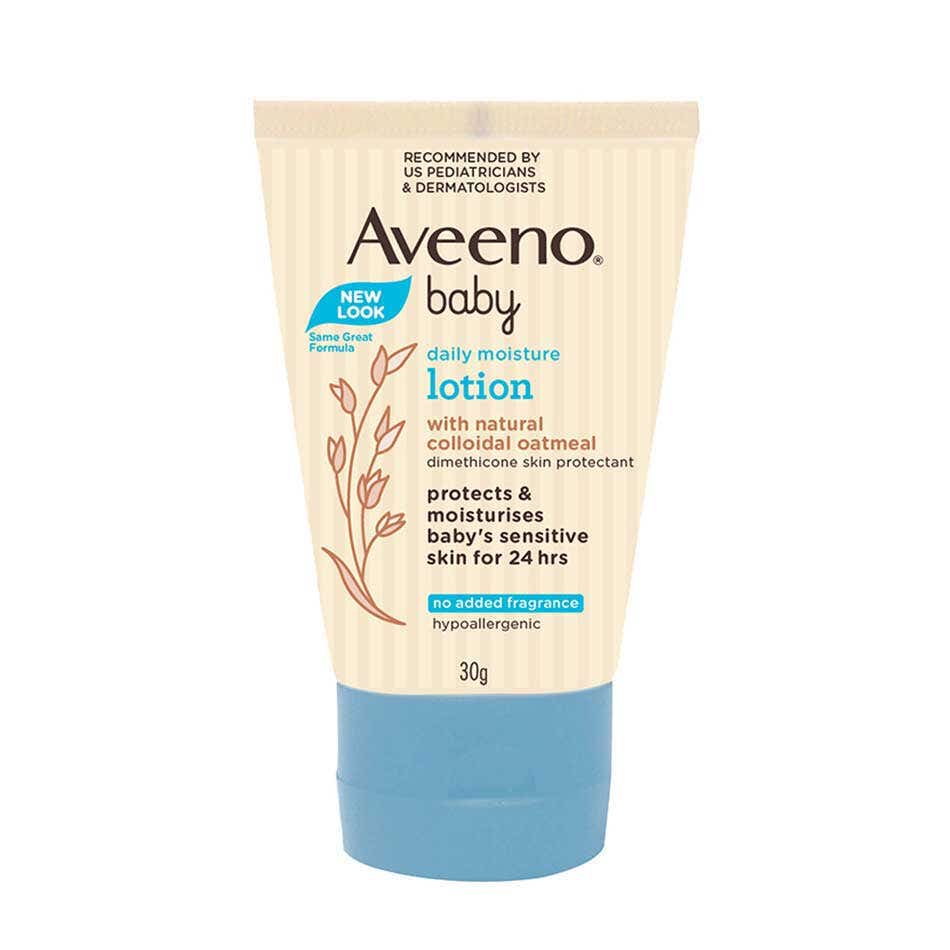 Aveeno BabyAveeno Baby Daily Moisture Lotion 30g30g daily moisture lotion for baby’s sensitive skin.S$4.05 is a light lotion made for sensitive baby skin, and the small size is handy for the nappy bag. Cetaphil Baby Daily Body Lotion with Shea Butter
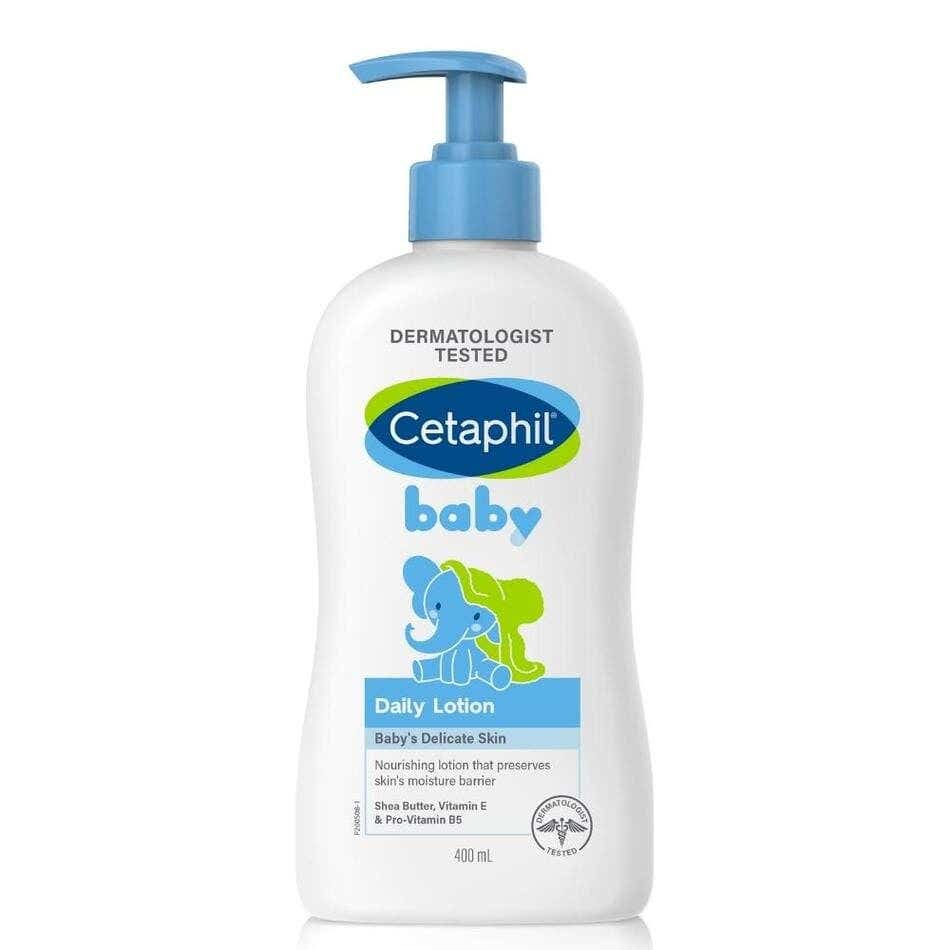 CetaphilCetaphil Baby Daily Body Lotion with Shea Butter 400mlCetaphil Baby Daily Body Lotion with Shea Butter. Refer to the selected pack for its ingredients and directions.S$32.07 is slightly richer, thanks to the shea butter, while still spreading easily. Mustela Hydra Bebe Body Lotion
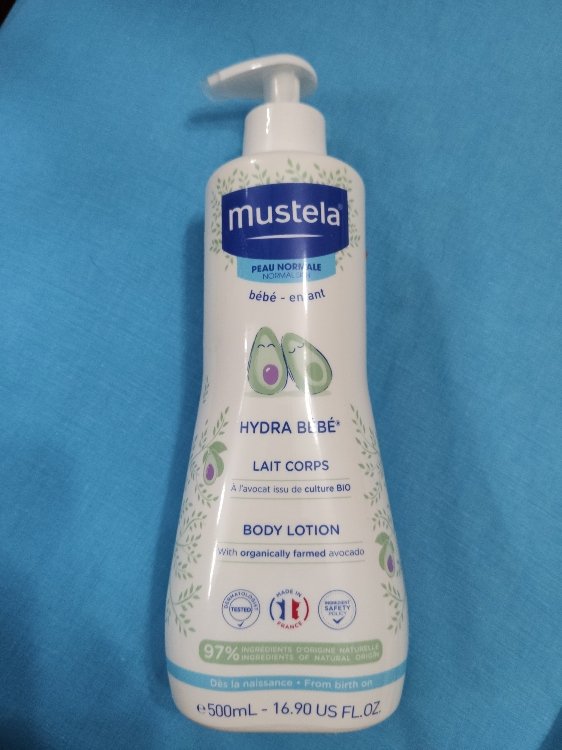 MustelaMustela Hydra Bebe Body Lotion 500mlHydra Bebe lotion provides immediate and long-lasting hydration to baby's skin.S$37.99 is another everyday lotion that comes in a large pump bottle for daily use.
Cream
Creams have a more even balance of oil and water. They are thicker, stay on the skin longer and offer more protection against water loss.
Best for: dry skin, air-conditioned bedrooms, babies prone to rough patches, night-time use.
Limits: they can feel heavy on hot, humid days, and some babies get sweaty or prickly under thick creams if over-bundled.
QV Baby Moisturising Cream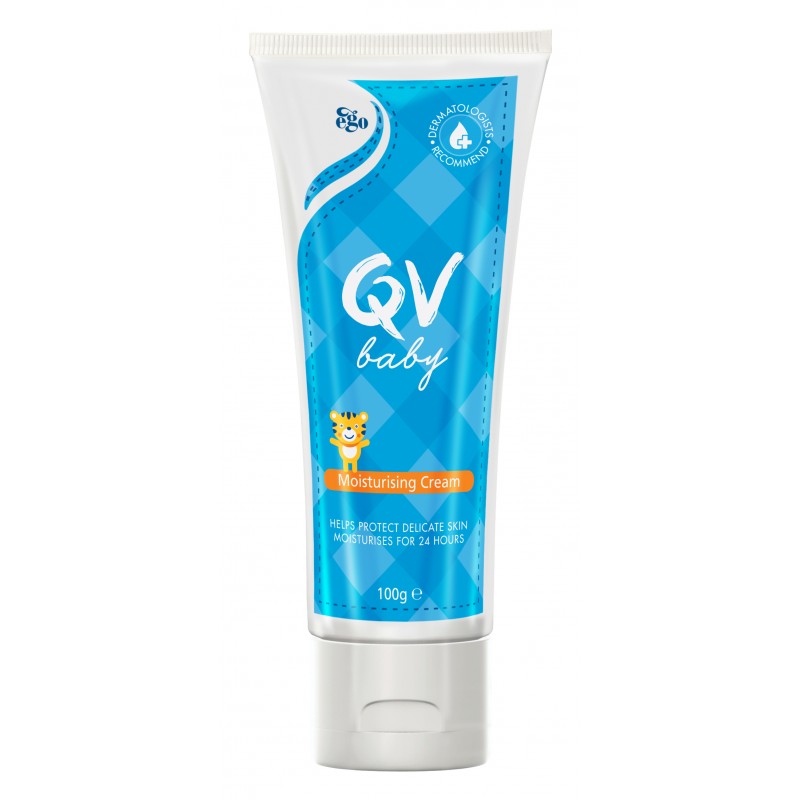 QVQV Baby Moisturising Cream 100gFragrance free Propylene glycol free pH balanced Lanolin free QV baby moisturising cream is a rich and replenishing moisturiser that helps relieve baby's dry skin.S$17.09 is a straightforward, pharmacy-style cream for dry, sensitive baby skin. For the face specifically, Mustela Hydra Bebe Facial Cream
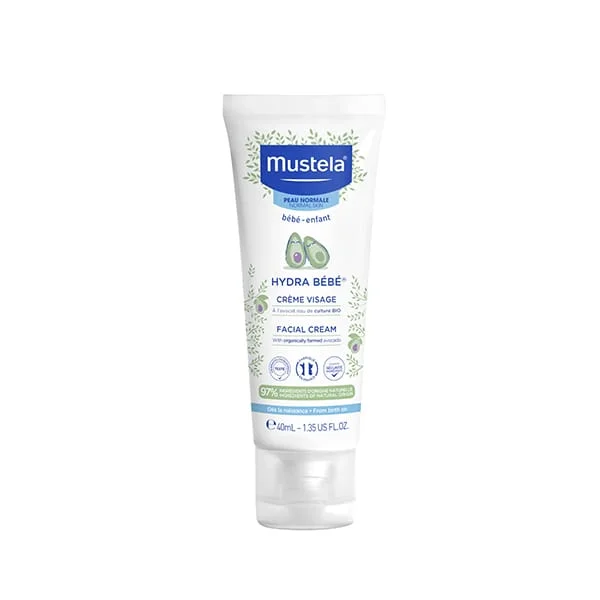 MustelaMustela Hydra Bebe Facial Cream 40mlHydra Bebe facial cream with avocado provides immediate and long-lasting protection for newborns’* and children’s delicate skin, leaving it soft and supple. Its melting texture is ideal for everyday use.S$17.09 is designed for daily use on babies' cheeks and chin, areas that get dry from drool and wiping.
Balm and ointment
Balms and ointments contain little or no water. They are mostly oils, butters, waxes or petrolatum. They sit on top of the skin and form a protective layer.
Best for: small, very dry or chapped areas, such as cheeks, lips, elbows and knees; drool rash areas; and the nappy area as a barrier.
Limits: they feel greasy and are not practical for whole-body use in a hot climate.
Mustela Multi-Purpose Balm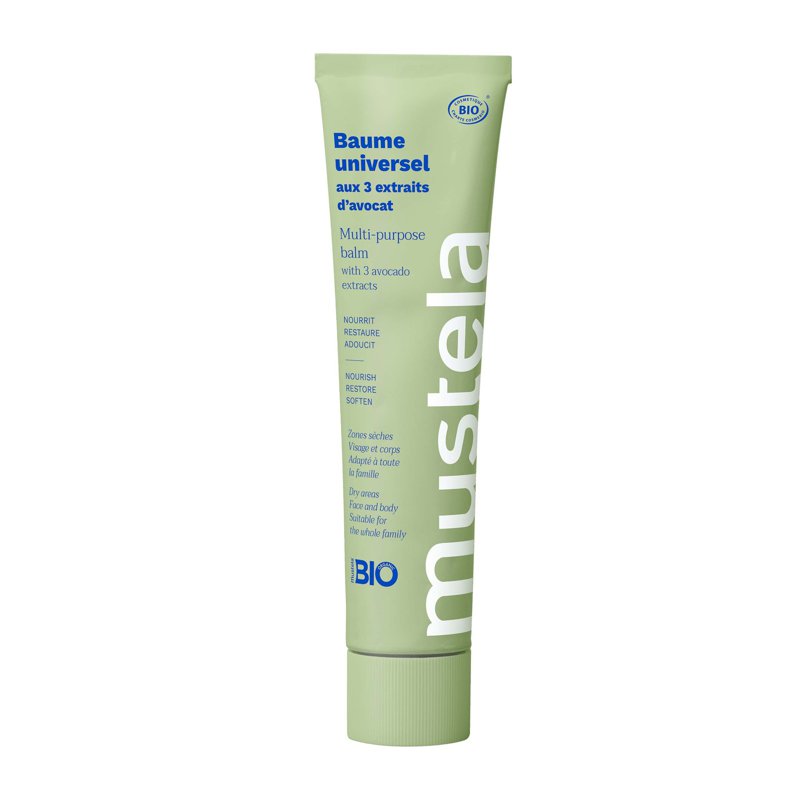 MustelaMustela Multi-Purpose Balm 75mlThe certified Organic Multi-purpose Balm moisturizes and nourishes dry areas of the skin, leaving it visibly repaired, soft, supple and radiant with health.S$23.08 is a certified organic balm for dry areas, useful to keep on hand for small rough patches. For tiny lips that get dry in air-conditioned rooms, Sebamed Baby Lip Balm
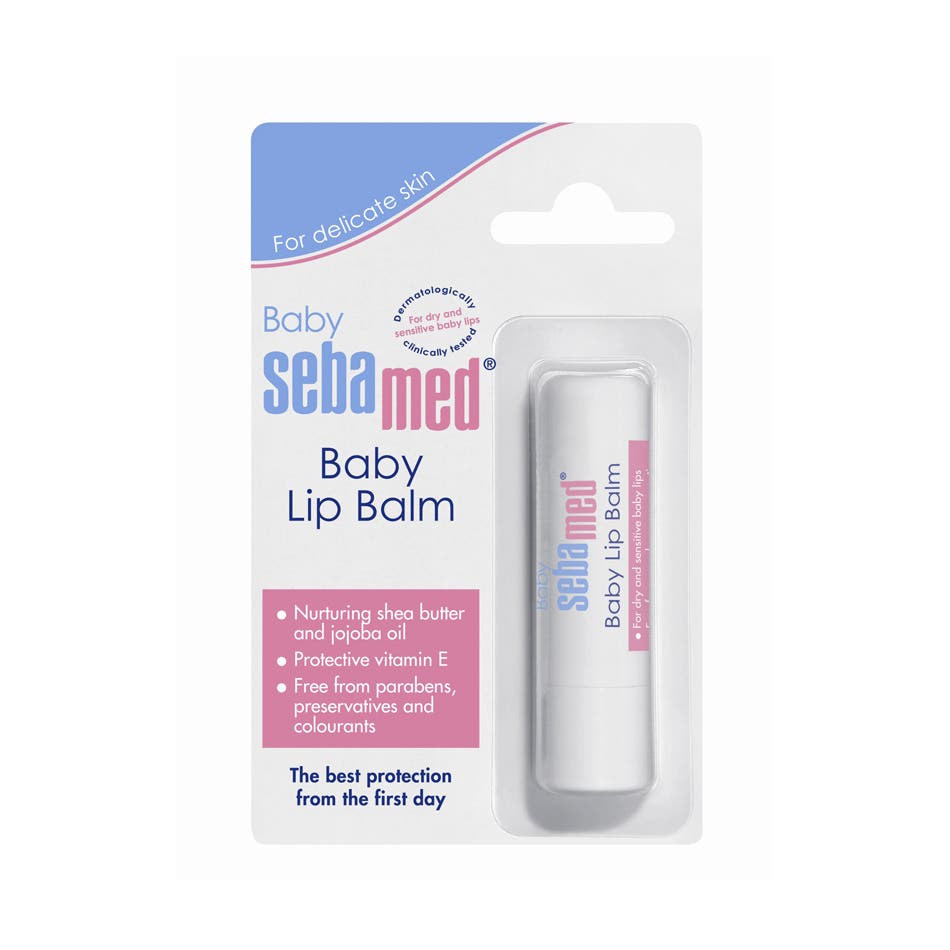 SebamedSebamed Baby Lip Balm 4.8gSebamed Baby Lip Balm, 4.8g.S$10.15 is made for babies.
Nappy balms and barrier creams
Nappy creams are a special type of balm or ointment. Their job is less about moisturising and more about creating a barrier between your baby's skin and moisture from wee and poo.
Bepanthen Nappy Care Ointment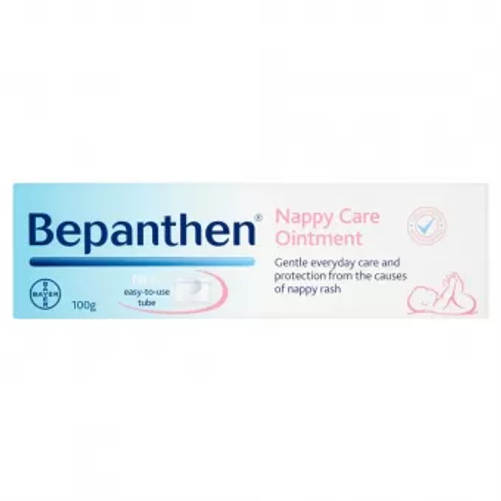 BepanthenBepanthen Nappy Care Ointment 100gBepanthen Nappy Care Ointment is an easy to apply and breathable barrier cream that helps keep little bottoms happy and protected from the causes of nappy rash.S$21.05 is a widely used barrier ointment designed to help protect against the causes of nappy rash.
How to use a nappy barrier properly:
Change nappies promptly, especially after a dirty nappy.
Clean gently with water or fragrance-free wipes, and pat dry.
Let the skin air out for a few minutes when you can.
Apply a thin, even layer of barrier ointment at every change.
Do not scrub the old layer off completely each time; gentle cleaning is enough.
See your doctor if nappy rash has bright red patches with small spots around the edges, which can suggest a yeast infection; if there are blisters, open sores or bleeding; or if it does not improve after a few days of careful care.
Matching texture to your baby's skin
Normal skin, hot weather: a light lotion after bath, if anything.
Normal skin, long hours in air-con: a lotion by day, a cream at night.
Dry or rough skin: a cream all over, twice a day.
Eczema-prone skin: a fragrance-free cream or ointment, used generously and often. Lotions are usually too light.
Small chapped spots: a balm, just where it is needed.
You do not need one product for everything. Many parents keep a lotion for everyday use, a cream for drier days, and a nappy balm.
What to look for on the label
Fragrance-free or low fragrance. Scent adds nothing for your baby and is a common source of irritation.
A short ingredient list. Easier to tolerate and troubleshoot.
Made for babies or sensitive skin.
Hygienic packaging. Pumps and tubes stay cleaner than open tubs, especially for creams used several times a day.
Applying moisturiser to a baby
Warm a small amount between your hands first.
Apply after a bath while the skin is still slightly damp.
Use gentle, downward strokes rather than rubbing in circles.
Pay attention to dry areas such as cheeks, elbows, knees and the backs of the legs.
Keep thick creams and balms away from your baby's eyes and out of their mouth.
When to see a doctor
See your paediatrician if dry patches become red, inflamed, itchy or weepy; if your baby scratches or rubs their skin often; if a rash spreads or comes with fever; or if dry skin does not improve after a couple of weeks of regular moisturising. These may point to eczema or another condition that needs treatment, not just a different moisturiser.
Bottom line
Lotions are light and suit everyday use in warm weather. Creams are richer and better for dry skin or air-conditioned rooms. Balms and ointments protect small, very dry areas and the nappy zone. Choose fragrance-free where you can, match the texture to your baby's skin and the setting, and remember that many healthy babies need very little at all.
