Body Oil, Face Oil or Shower Oil: Which One Does What
They all say "oil" on the label, but a body oil, a face oil and a shower oil are built for different jobs. Here is how to tell them apart and choose the right one for Singapore skin.
Walk down any body care aisle and you will find "oil" on a surprising number of labels. Some are meant to be smoothed onto damp legs after a shower, some are a few precious drops for your face, and some are actually cleansers that turn milky when they meet water.
Mixing them up is the most common reason people decide oils "don't work" for them. A heavy body oil on an acne-prone face can feel suffocating; a shower oil is a cleanser, not a leave-on moisturiser. Once you know what each format is designed to do, choosing becomes much simpler.
If you are still deciding between oil, lotion, cream and balm for your body in general, our guide to choosing body care by skin feel covers that. This article focuses on the three oil formats and how they differ.
The short answer
Here is the quick version before we get into detail:
Body oil: a leave-on oil for arms, legs and torso. It softens and adds slip, and works best pressed onto damp skin to help hold in water.
Face oil: a leave-on oil made for facial skin, usually in a small bottle with a dropper. Used in tiny amounts, often as the last step at night or mixed into moisturiser.
Shower oil: a rinse-off cleanser. It contains cleansing agents so it can wash you, but it leaves more of an oily, comfortable feel behind than a typical gel.
The first two stay on your skin. The third goes down the drain. That single difference changes how you choose, how much you use and who each one suits.
Body oil: softness and slip for large areas
A body oil is mostly plant oils, mineral oil or a blend, sometimes with fragrance and vitamin E. It does not add water to skin on its own. What it does well is form a light film that slows water loss and makes rough patches feel smoother.
That is why timing matters. Apply it within a minute or two of towelling off, while skin is still slightly damp, and you will need far less product and get a more even, less greasy finish.
Bio-Oil Skincare Oil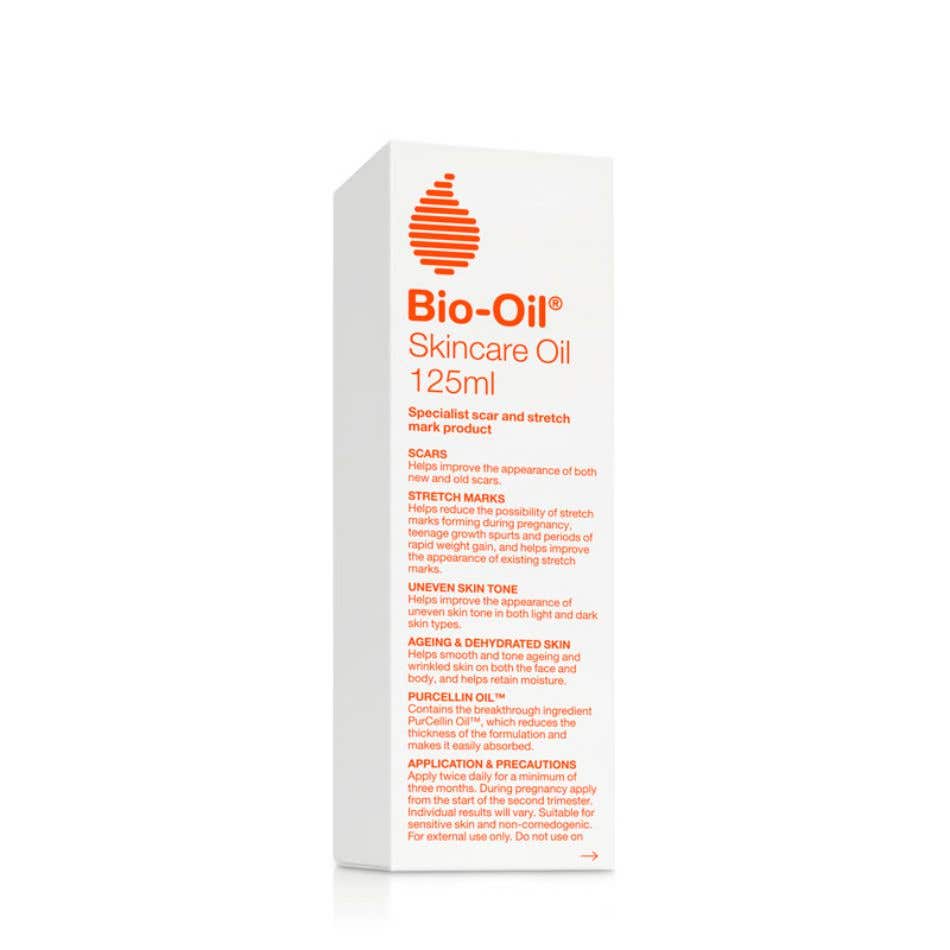 Bio-OilBio-Oil Skincare Oil 125mlBio-Oil Skincare Oil is a specialist scar and stretch mark product which helps improve the appearance of both new and old scars, reduce the possibility of stretch marks forming during pregnancy, teenage growth spurts and periods of rapid weight gain, helps improve the appearance of existing stretch marks, helps improve the appearance of uneven skin tone in both light and darks skin types, helps smooth and tone ageing and wrinkled skin on both face and body by retaining moisture. Contains the breakthrough ingredient Purcellian Oil which reduces the thickness of formulation and makes it easily absorbed. Apply twice daily for a minimum of three months. During pregnancy apply from the start of the second trimester. Individual results may vary. Suitable for sensitive skin and non-comedogenic. For external use only. Do not use on broken skin. In the unlikely event of skin irritation, discontinue use. Avoid contact with eyes. If product gets into eyes, rinse thoroughly with water. Keep outS$33.04 is one of the best-known body oils, often used on scars and stretch marks. It has a thin, quick-absorbing texture, so it is a reasonable starting point if you dislike heavy oils. Set expectations honestly: oils can help skin look and feel smoother, but they will not erase established scars or stretch marks.
If you like a richer, more cocooning feel, Palmer's Cocoa Butter Moisturizing Body Oil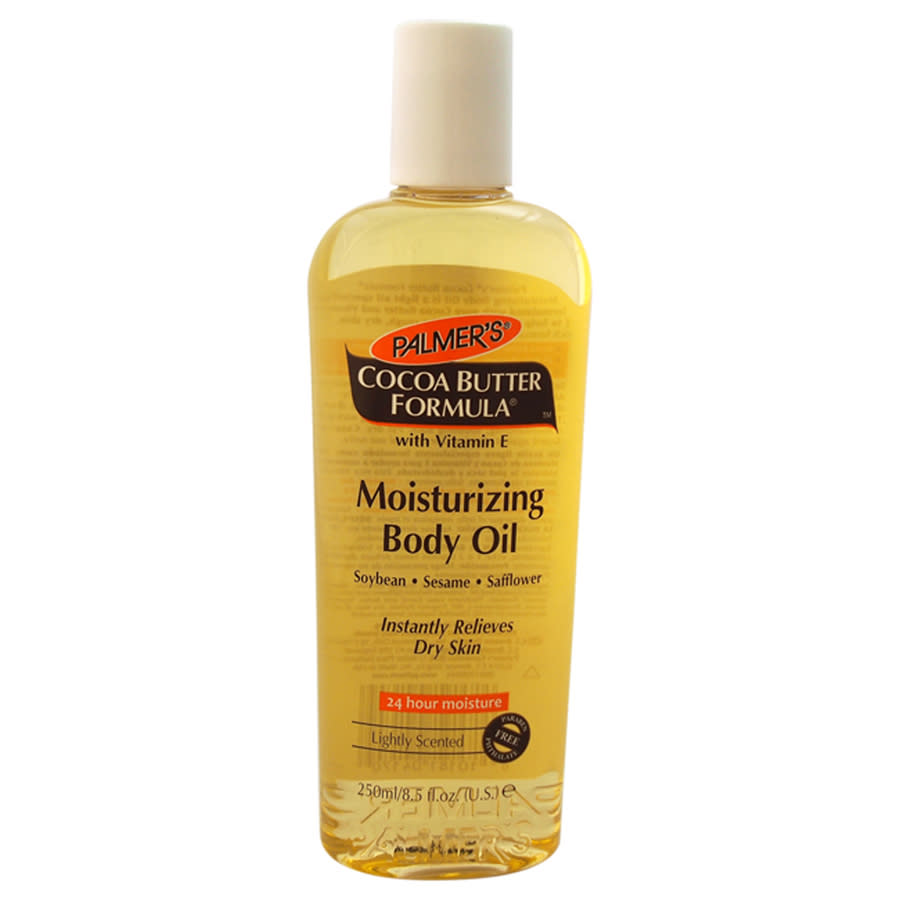 Palmer'sPalmer's Cocoa Butter Moisturizing Body Oil 250mlSoybean Sesame Safflower Instantly Relieves Dry Skin 24hour Moisture Lightly ScentedS$18.25 has a more classic body-oil slip and a light scent. It suits drier shins, elbows and knees, especially if you spend long days in air-conditioning.
Who body oil suits in Singapore
In our humidity, many people find a full layer of body lotion too much by midday. A few drops of body oil on damp skin can be a lighter alternative for:
Dry shins and forearms that feel tight in office air-con
Skin that looks dull or ashy after frequent swimming
Anyone who prefers to skip a separate lotion step
It is less ideal if you are prone to back or chest breakouts, or if you get small itchy bumps in the heat. In that case, keep oils to your limbs and read our guide on body breakouts on the back, chest and shoulders.
Face oil: small amounts, specific jobs
Face oils are usually lighter oils chosen for facial skin, such as rosehip, squalane or jojoba, packaged in small bottles because you only need two to four drops.
A face oil is not a moisturiser replacement for most people. It has no water and few humectants, so on its own it can leave dehydrated skin feeling slick on top but still tight underneath. It works best as a final layer over a hydrating serum or moisturiser, or mixed with your moisturiser at night.
NATIO Ageless Antioxidant Rosehip Oil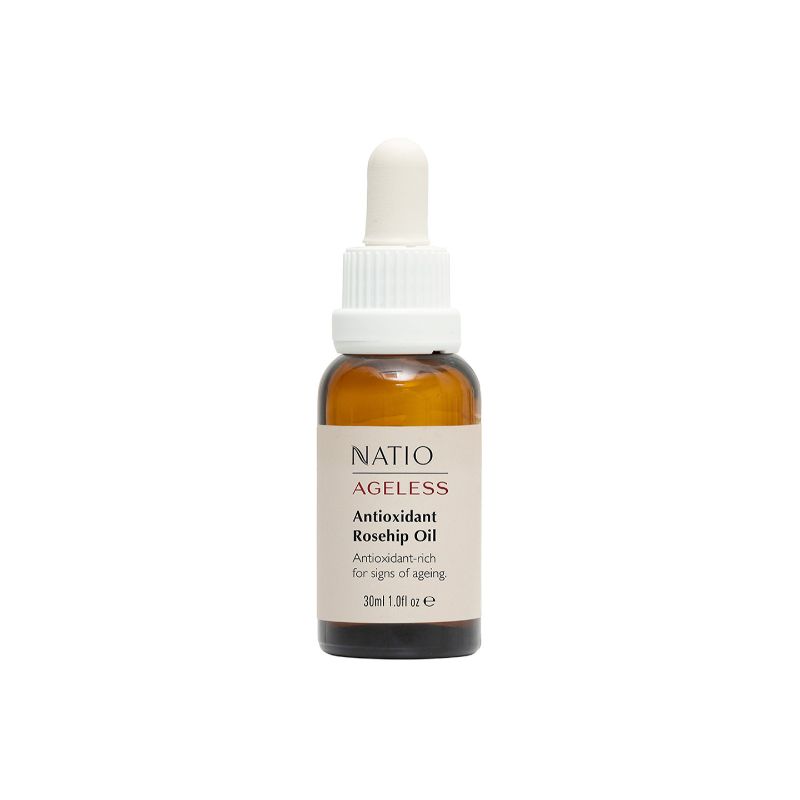 NATIONatio Ageless Antioxidant Rosehip Oil 30mlNatio Ageless Antioxidant Rosehip Oil is a facial oil for a skincare routine.S$36.85 and Trilogy Certified Organic Rosehip Oil
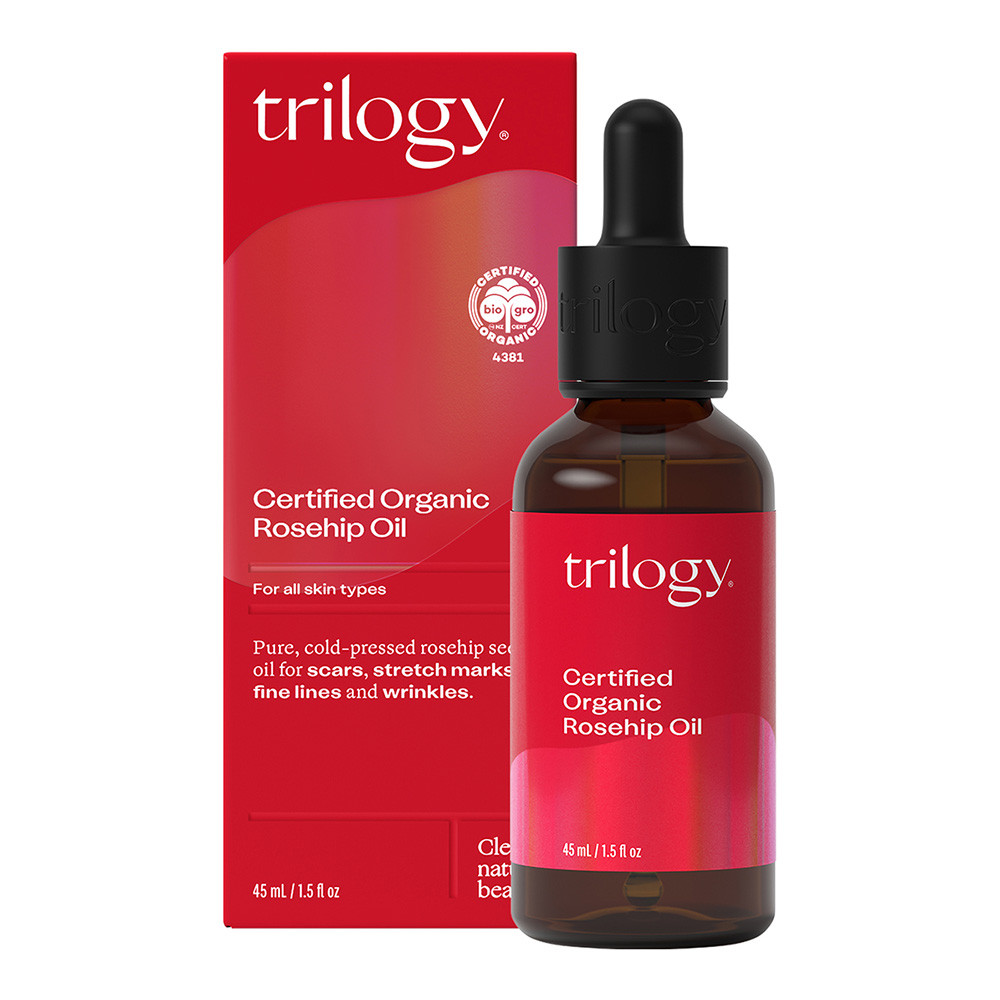 TrilogyTrilogy Certified Organic Rosehip Oil 45mlTrilogy Certified Organic Rosehip Oil is a 45ml skincare oil.S$47.89 are both rosehip-based facial oils. Rosehip is a popular choice for dry or dull-looking skin. It has a slightly richer feel than squalane, so start with a couple of drops at night.
Neogence Squalane + Prickly Pear Oil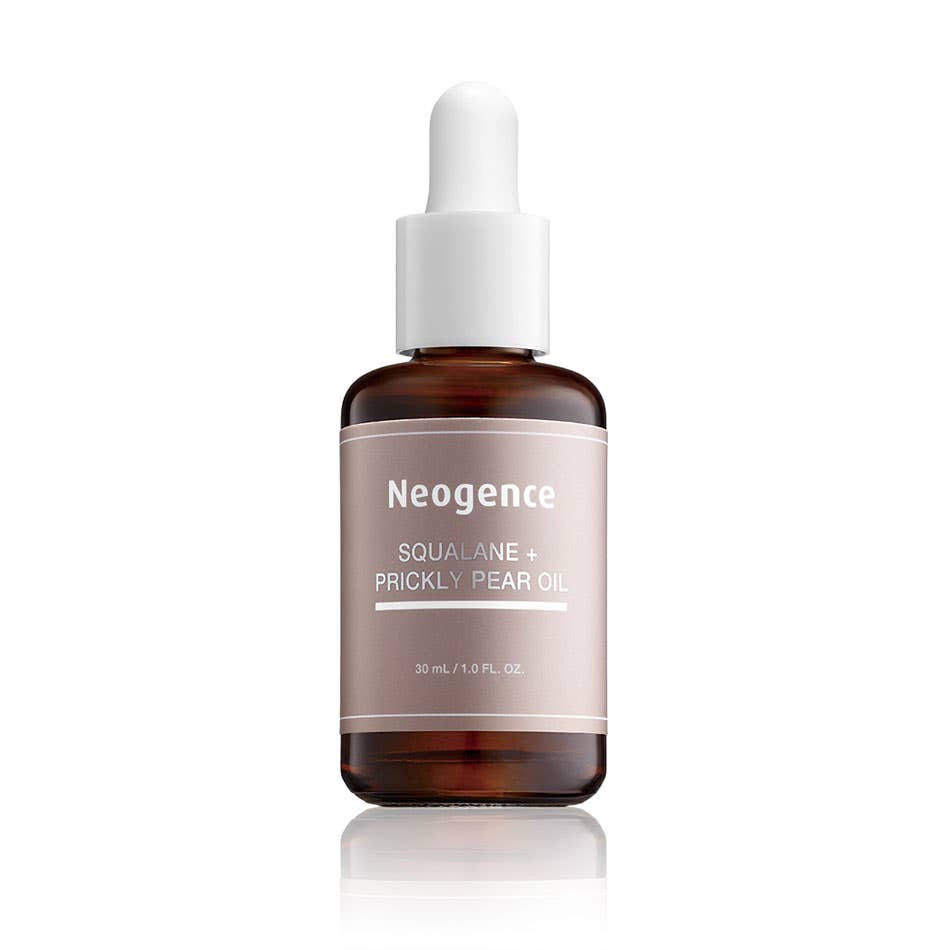 NeogenceNeogence Squalane + Prickly Pear Oil 30mlNeogence Squalane + Prickly Pear Oil 30ml. Refer to the exact product packaging for product details.S$99.83 is built around squalane, which many people find lighter and less shiny on the skin. It can be a gentler place to start if your skin is combination or you have a hot, sweaty commute.
Face oil mistakes to avoid
A few habits cause most of the trouble:
Using too much. Two to four drops is plenty for the whole face.
Applying it before water-based serums. Oil first can make the next layers sit on top.
Using it under sunscreen in the morning without checking the finish. Some oils make sunscreen pill or slide.
Assuming "natural" means suits everyone. If you are acne-prone, introduce one new oil at a time and watch for new bumps over two to three weeks.
If your face feels oily but tight, you may need hydration rather than more oil. Our article on moisturisers for oily skin explains why.
Shower oil: a cleanser that does not leave you squeaky
Shower oils look like oil in the bottle but contain cleansing agents. When you work them onto wet skin they turn milky or lightly foamy, lift sweat and sunscreen, and rinse off. What they leave behind is a softer, less stripped feel than many gels or soaps.
They are especially useful if your skin feels tight or itchy right after showering, if you are eczema-prone, or if you shower twice a day in hot weather and notice your legs getting flaky.
Eucerin Omega Ato Shower Oil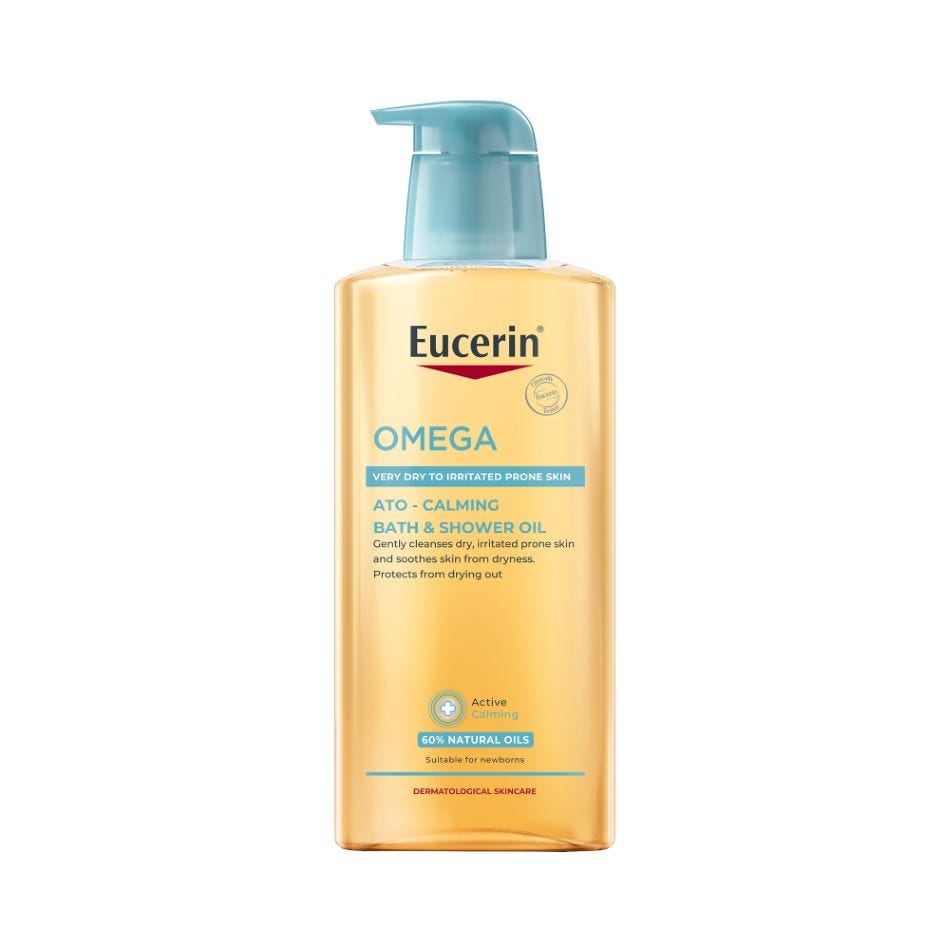 EucerinEucerin Omega Ato Shower Oil 400mlEucerin Omega Ato Shower Oil, 400ml.S$34.93 is part of Eucerin's Omega ATO line, aimed at dry, atopic-prone skin. Avene XeraCalm A.D Lipid-Replenishing Cleansing Oil
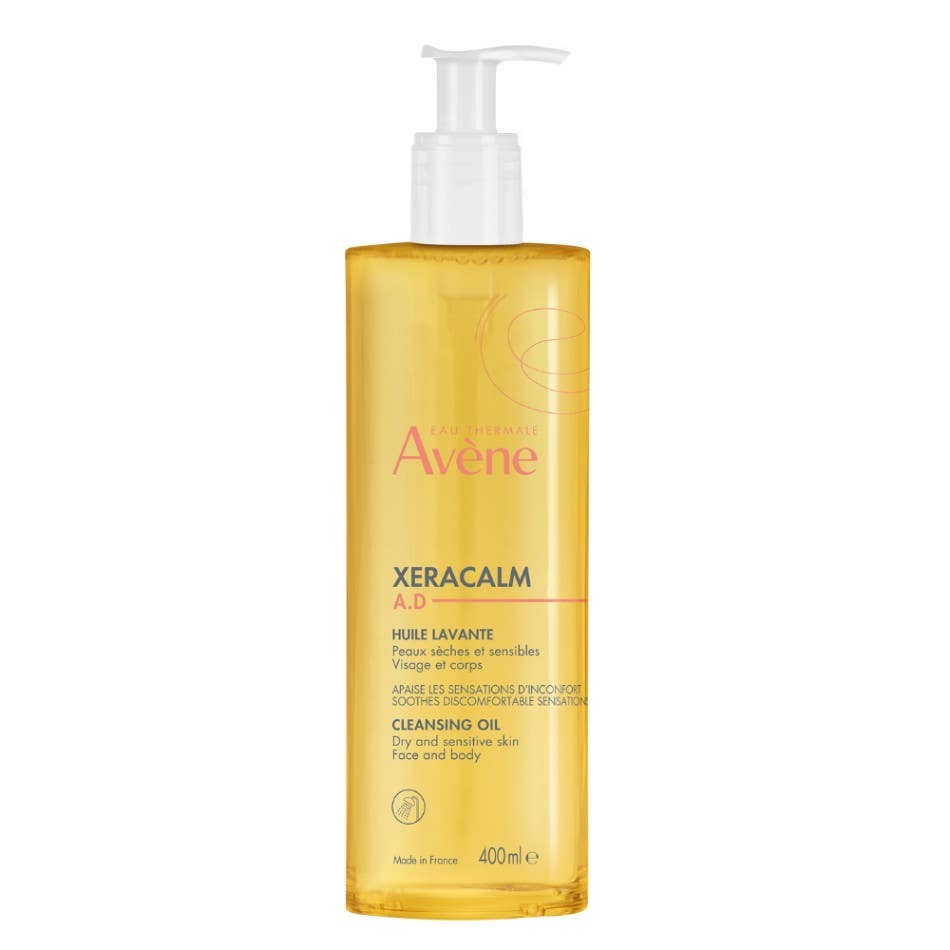 AveneAvene XeraCalm A.D Lipid-Replenishing Cleansing Oil 400mlAvene XeraCalm A.D Lipid-Replenishing Cleansing Oil, 400ml.S$22.77 is aimed at a similar group. Both are rinse-off, so you still need a moisturiser afterwards if your skin is very dry.
A practical note: shower oils can make tiled floors and bathtubs slippery. Rinse your feet and the floor well, especially if there are children or older relatives at home.
The multi-purpose option
Some oils are designed to be used on face, body and hair. Nuxe Multi-Purpose Dry Oil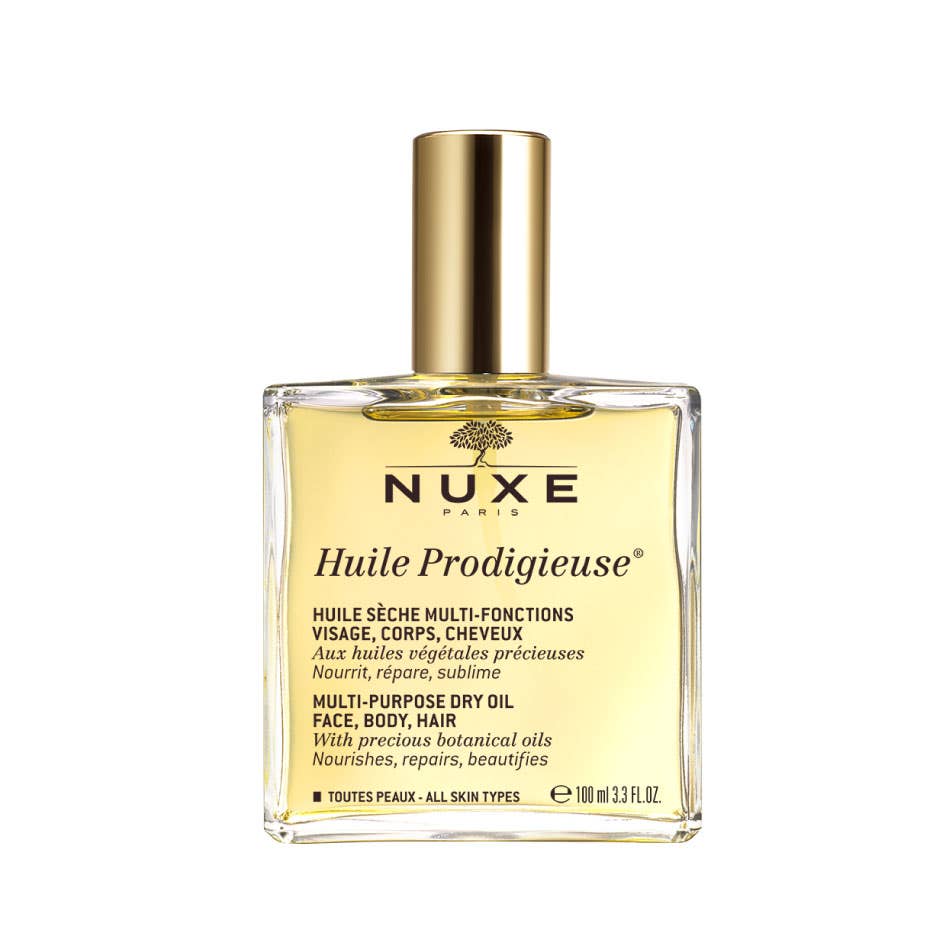 NuxeNuxe Multi-Purpose Dry Oil 100mlIts antioxidant action and anti-pollution shield effect and its power to reduce the appearance of stretch marks make it your everyday ally.S$51.19 is a well-known example, described as a "dry oil" because it absorbs quickly and leaves a satin rather than slick finish. It is a pleasant choice for shoulders, collarbones and the ends of dry hair.
It is a scented product, so it is not the right choice if you are reacting to scented products. If that is you, read our explainer on fragrance-free, unscented and essential oils first.
How to choose in three questions
Ask yourself these:
Do I want it to stay on or rinse off? Stay on means body or face oil. Rinse off means shower oil.
Where am I putting it? Use face oils on the face, body oils below the neck. Multi-purpose oils can do both, but check fragrance.
How does my skin behave in heat? If you break out easily, keep leave-on oils to dry areas and choose a shower oil for overall comfort instead.
When to check with a doctor or pharmacist
Oils are cosmetic comfort products. If you have a rash that is spreading, weeping, very itchy at night, or not improving after two weeks of gentle care, see a doctor or pharmacist rather than adding more products. The same goes for bumps that appear suddenly after starting a new oil and do not settle when you stop.
Bottom line
Body oils soften and seal large areas, and work best on damp skin. Face oils are a small, finishing step, not a moisturiser replacement. Shower oils are cleansers that leave skin more comfortable than a regular wash. Pick by job, use less than you think you need, and introduce one new oil at a time so you can tell what is helping.