How Often Should You Exfoliate Your Face? (And Is Twice a Day Ever OK?)
The right exfoliating schedule depends less on your skin type than on the method. Here is how often to use a scrub, an acid, an enzyme powder or a BHA, and why twice a day is almost never needed.
"Exfoliate two to three times a week" is the advice printed on many products in Singapore pharmacies. It is a reasonable starting point, but it hides the more useful question: exfoliate with what?
A gentle daily scrub, a glycolic acid serum and a single-use enzyme powder work in different ways and at different strengths. A safe schedule for one can be too much for another. And if you are using two of them in the same routine, the totals add up faster than you think.
For a gentle, sensitive-skin approach to exfoliation in general, see How Often Should You Exfoliate? A Gentle Guide for Real Skin. This guide breaks the question down by method, and answers the twice-a-day question directly.
The short answer by method
Gentle "daily" scrub: up to once a day for robust, oily skin; two or three times a week for most others
Glycolic or lactic acid (AHA) leave-on: start two or three nights a week, and only increase if your skin is comfortable
AHA in a wash-off cleanser: often once a day is fine, because contact time is short
Enzyme powder wash: two to four times a week for most, daily only if very well tolerated
Salicylic acid (BHA) leave-on: start every other night, can become daily for oily, congested skin
Exfoliating pads: treat them like a leave-on acid, not a toner
Those numbers assume you use only one exfoliant. If you use two, cut each back.
Scrubs: physical, immediate, easy to overdo
Scrubs work by friction. Fine particles or textured cloths lift loose, dead cells from the surface. The result is instant smoothness, which is why it is tempting to keep going.
The risk is pressure. Rubbing hard, using a large-grain scrub or scrubbing over active acne causes small abrasions and irritation. Mild "daily" scrubs, such as Cetaphil Extra Gentle Daily Scrub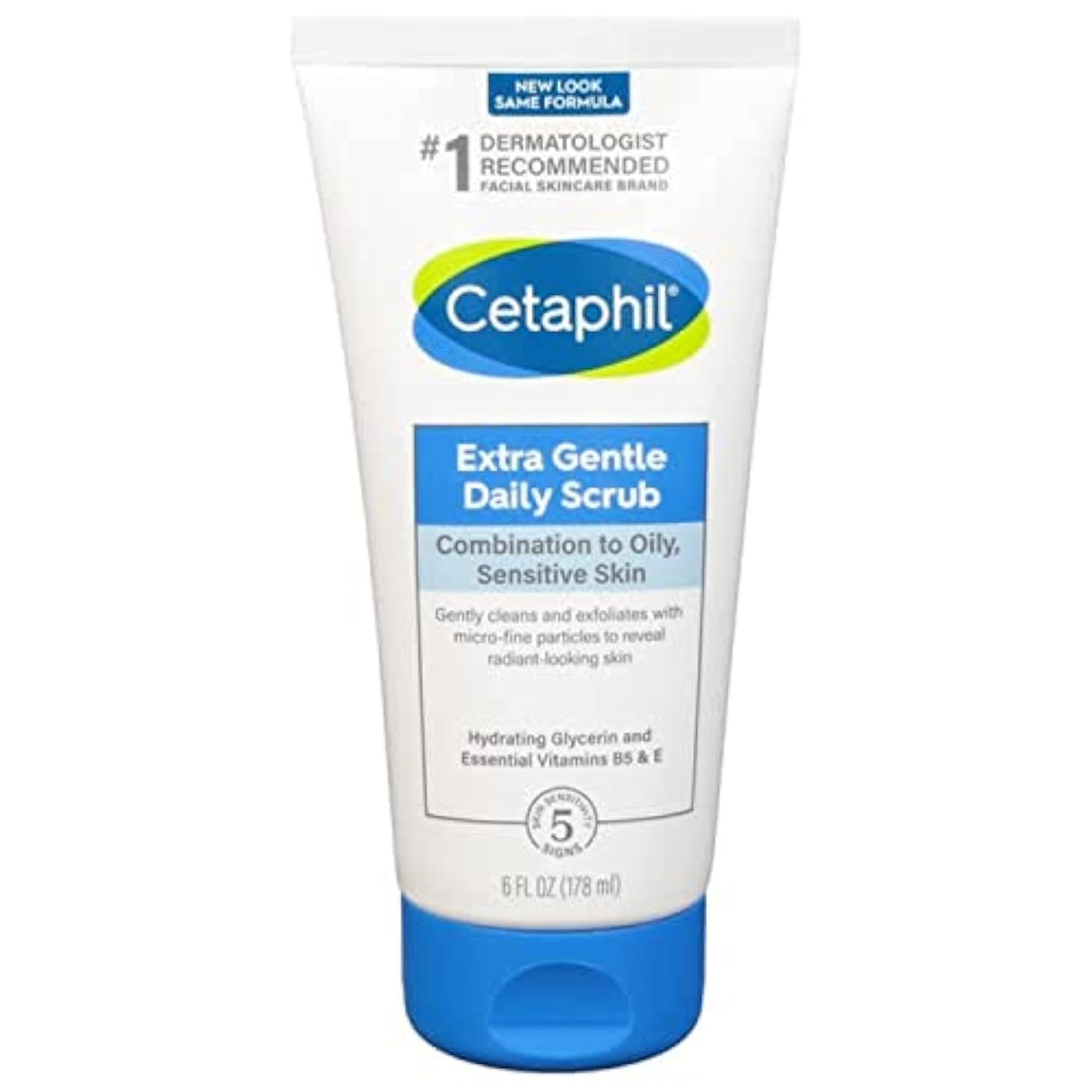 CetaphilCetaphil Extra Gentle Daily Scrub 178mlCetaphil Extra Gentle Daily Scrub is a 178ml facial scrub cleanser.S$25.89, are designed with fine particles in a cleanser base, which makes them gentler than classic apricot-style scrubs.
Even so, daily use suits oilier, sturdier skin best. If your skin is dry or sensitive, two or three times a week is plenty. Use your fingertips, light pressure, and 20 to 30 seconds, then rinse.
Glycolic acid: build slowly
Glycolic acid is an alpha hydroxy acid (AHA) that loosens the bonds between dead skin cells so they shed more evenly. It does this chemically, so you do not need to rub. Over weeks, it can make skin look smoother and more even in tone.
How often depends on the format:
Wash-off products (glycolic cleansers) are usually the gentlest way in. Contact time is short, so many people can use them daily.
Leave-on products (toners, serums, creams) keep working for hours. Start two or three nights a week and watch for stinging or redness.
The L'Oréal Paris Glycolic Bright range, available here as L'Oréal Paris Glycolic Bright Face Care L'OréalL'Oréal Paris Glycolic Bright Serum 15mlL'Oréal Paris Glycolic Bright Serum 15ml is a facial serum in a 15ml pack.S$18.13, includes cleansers, serums, creams and a toner. That makes it easy to start with one step, such as the cleanser, rather than stacking the whole line at once.
AHAs can make skin more sensitive to the sun, so daily sunscreen is not optional, especially in Singapore.
Enzyme powders: gentle, but still exfoliation
Enzyme cleansing powders use enzymes (often from papaya or similar sources) to break down dead surface cells and loosen gunk in pores. They feel gentle and foamy, and they are especially popular in Japan.
Kanebo Beauty Clear Powder Wash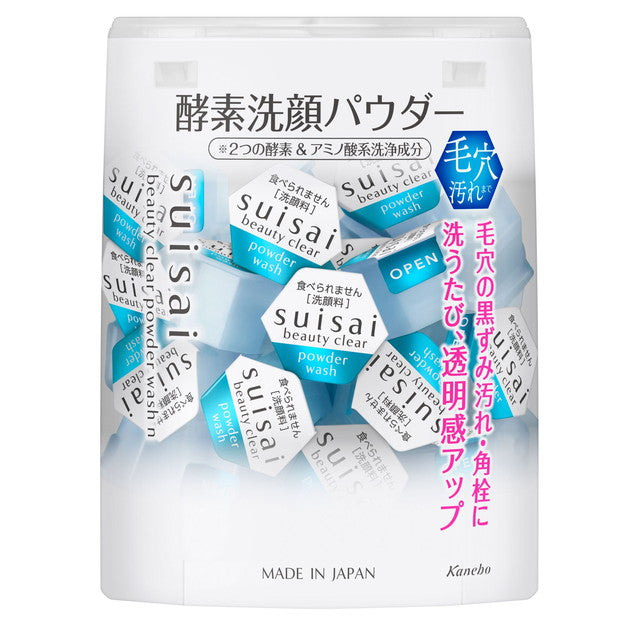 KaneboKanebo Beauty Clear Powder Wash (0.4gx32s) Box0.4g x 32 single-use enzyme cleansing powder capsules.S$25.18 comes as single-use capsules of enzyme cleansing powder, which is convenient for travel and keeps the powder dry in humid bathrooms.
Most people do well with enzyme washes two to four times a week. Daily use is possible for oily skin, but if your face starts feeling tight after washing, cut back.
BHA: the exception that can be daily
Salicylic acid (BHA) is oil-soluble, so it works inside the pore as well as on the surface. That makes it useful for blackheads and oily, congested skin, and it is often better tolerated at higher frequency than glycolic acid.
A leave-on liquid such as COSRX BHA Blackhead Power Liquid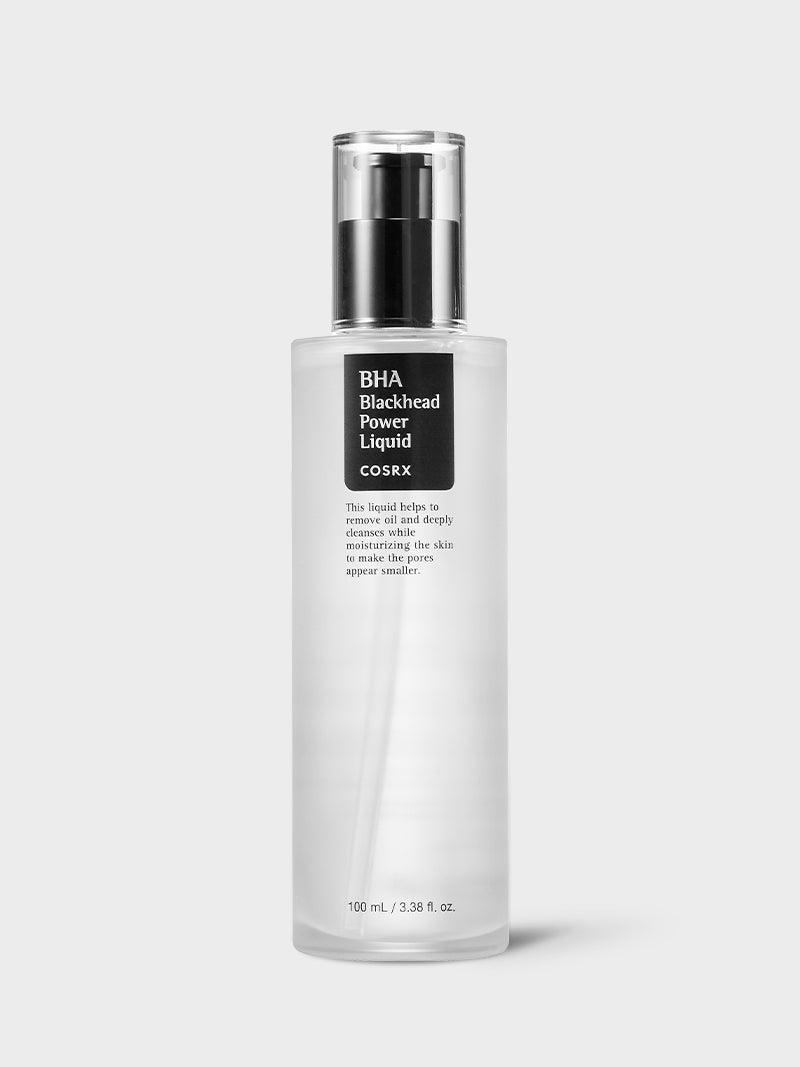 COSRXCOSRX BHA Blackhead Power Liquid 100mlCOSRX BHA Blackhead Power Liquid 100ml is a leave-on BHA exfoliant for congestion and oil-focused routines.S$35.13 can be used every other night to start. If your skin is happy after a few weeks, daily use is common for oily skin.
Pre-soaked pads like COSRX Original Clear Pad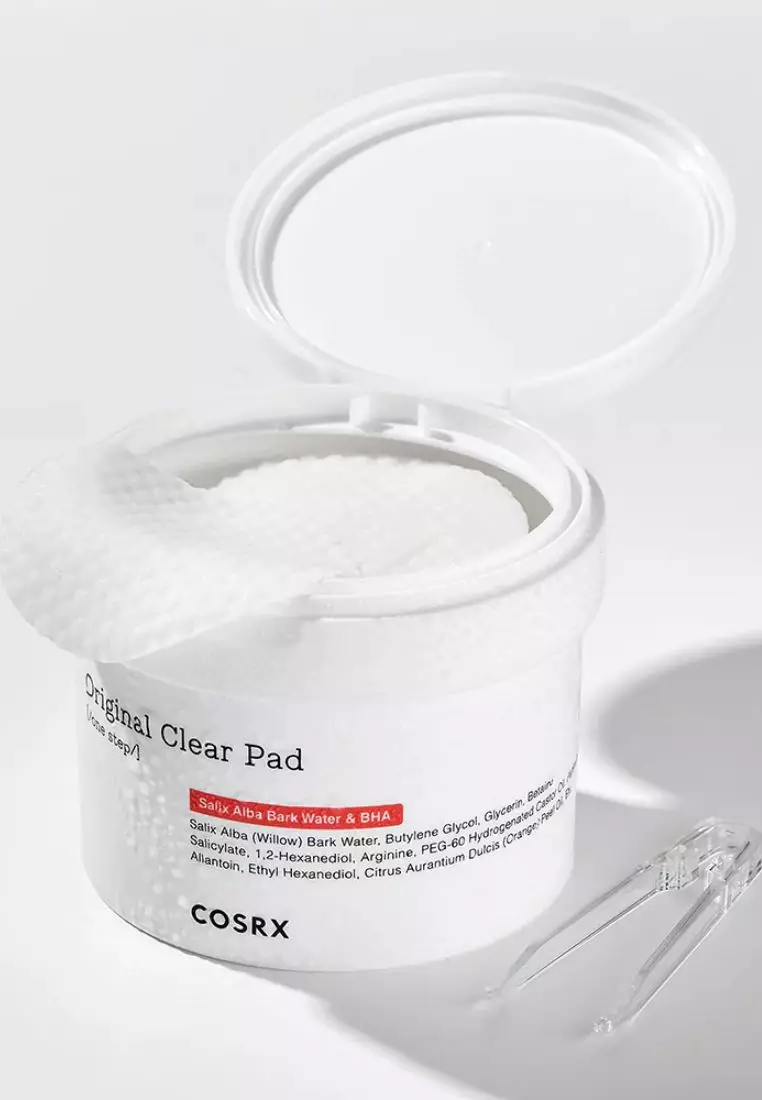 COSRXCOSRX Original Clear Pad 70pcsCOSRX Original Clear Pad 70s is a pre-soaked pad product for oil, texture, and blemish-prone routines.S$22.15 are convenient but easy to underestimate. Count them as an exfoliating step, not a hydrating toner.
Is twice a day ever OK?
Rarely, and almost never for leave-on acids.
There are a few situations where a gentle form of exfoliation twice a day can be reasonable:
A very mild exfoliating cleanser used morning and night by someone with sturdy, oily skin, with no other actives in the routine
A prescription regimen where your doctor has set the schedule
For everyone else, twice-daily exfoliation tends to strip the barrier faster than the skin can recover. The early signs are subtle: skin that feels tight after cleansing, stings when you apply moisturiser, or looks shiny but feels dry. If you are there, see How to Repair Your Skin Barrier After Over-Exfoliating.
Don't stack without counting
The most common mistake is combining methods without realising each one counts. A glycolic cleanser in the morning, a scrub at night, a BHA toner and a retinol serum is four exfoliating steps, even if no single product feels strong.
A simple rule: one main exfoliant at a time. If you want two, alternate them on different nights and keep at least one or two nights a week completely active-free.
Retinoids also speed up cell turnover, so count them in. Our guide on using retinol with acids covers that combination.
Signs you need to cut back
Stinging when you apply plain moisturiser
Redness that lasts more than an hour after washing
Shiny, "tight" skin that looks almost polished
New breakouts, flaking or rough patches
Sunscreen that suddenly stings
Stop all exfoliants for a week or two and stick to cleansing, moisturiser and sunscreen. If redness, burning or rash persists after that break, see a doctor or pharmacist, as it may be dermatitis rather than simple over-exfoliation.
Bottom line
How often you exfoliate depends on the method. Gentle scrubs and wash-off acids can be frequent, leave-on acids need building up, enzyme powders sit in the middle, and BHA is the one most likely to become a daily step for oily skin. Twice a day is very rarely necessary. Pick one exfoliant, use it consistently, protect your skin with sunscreen, and let results build over weeks.
