Glycolic Acid Serum vs Toner vs Cleanser: Which Format Fits You?
The same acid behaves very differently in a wash-off cleanser, a swipe-on toner and a leave-on serum. Here is how contact time, strength and pH change what you get, and how to pick one format.
Glycolic acid is the smallest of the alpha hydroxy acids (AHAs), which is why it works quickly and why it can also sting. It loosens the "glue" between dead cells on the surface, so skin looks smoother and less dull, and marks can look a little softer over time.
What most people do not realise is that the format matters almost as much as the ingredient. A glycolic cleanser, a glycolic toner and a glycolic serum can share the same headline acid and still give quite different results. The difference comes down to three things: how long the acid stays on your skin, how much of it there is, and how acidic the formula is.
This guide walks through each format so you can choose one sensibly, rather than buying all three and wondering why your face feels raw.
The three things that decide how strong a glycolic product feels
Contact time
This is the big one. A cleanser sits on your face for maybe 30 to 60 seconds before you rinse it away. A toner or serum stays on for hours. Leave-on products therefore deliver far more exfoliation than a wash-off product, even at a similar strength.
Percentage
A higher percentage generally means more exfoliation, but only if the rest of the formula allows it. Many brands do not print the percentage at all. When it is on the label, such as a 7% toner, it gives you a useful reference point. When it is missing, judge by format and by how your skin responds over the first two weeks.
pH
Glycolic acid works best in an acidic formula. A product with a lower pH lets more of the acid act on the skin; a product buffered closer to neutral is gentler but does less. You will rarely see pH printed on Singapore shelves, so treat it as a reason why two "glycolic" products can feel completely different.
Glycolic acid cleanser: the gentlest way in
A glycolic cleanser is the lowest-commitment format. The short contact time means you get a light polish rather than a real peel, which suits people who are curious about acids but nervous about irritation.
L'Oréal Glycolic Bright Cleanser Foam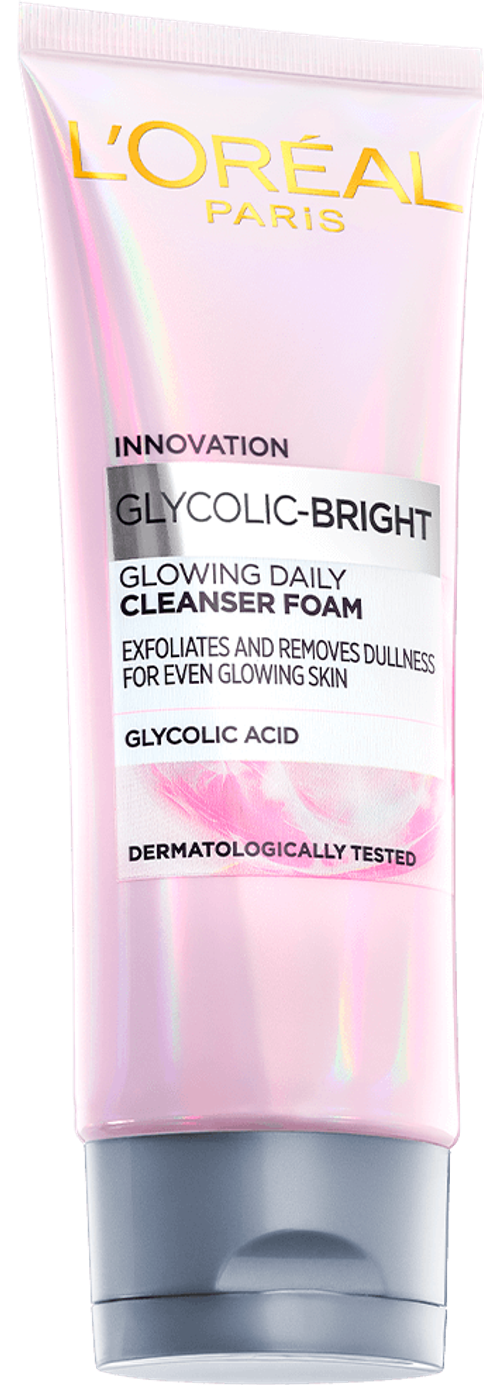 L'OréalL'Oréal Glycolic Bright Cleanser Foam Glycolic Acid 100mlBrightening Glycolic Acid exfoliates and removes dullness for even glowing skin.S$13.79 is a foaming wash from the Glycolic Bright line, aimed at dullness and uneven tone. Glad2Glow Face Wash Glycolic Acid
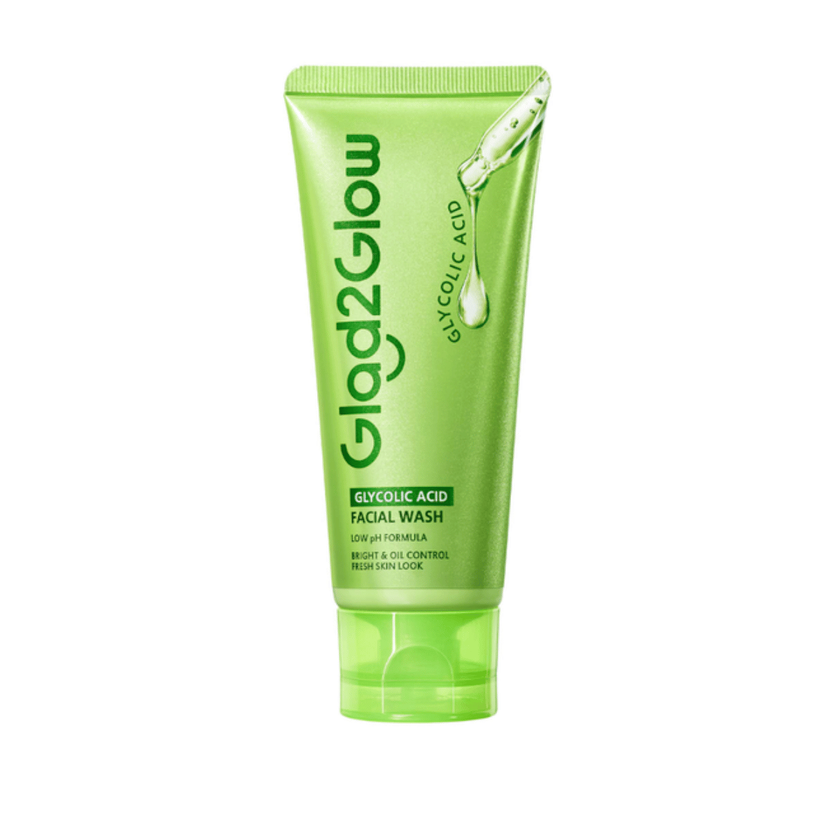 Glad2GlowGlad2Glow Face Wash Glycolic Acid 70mlGlad2Glow Face Wash Glycolic Acid: A cleanser that purifies like a treatment, balances like a toner, and cares like a moisturizer, all in one wash.S$8.68 is a smaller, budget-friendly tube in the same spirit.
Who it suits:
Oily or combination skin that likes a fresh, clean feel after the evening wash
Beginners who want to test how their skin reacts to acids at all
People who already use a leave-on active (such as retinol) and only want a gentle extra nudge
Trade-offs: the result is subtle, and foaming washes can feel tight on drier skin, especially after a day in office air-con. Keep it to once a day, usually at night, and massage for about 30 seconds rather than scrubbing.
Glycolic acid toner: the middle ground
An AHA toner is the format most people mean when they talk about "using glycolic". It is applied after cleansing, usually on a cotton pad or patted in with the hands, and left on.
The Ordinary Glycolic Acid 7% Exfoliating Toner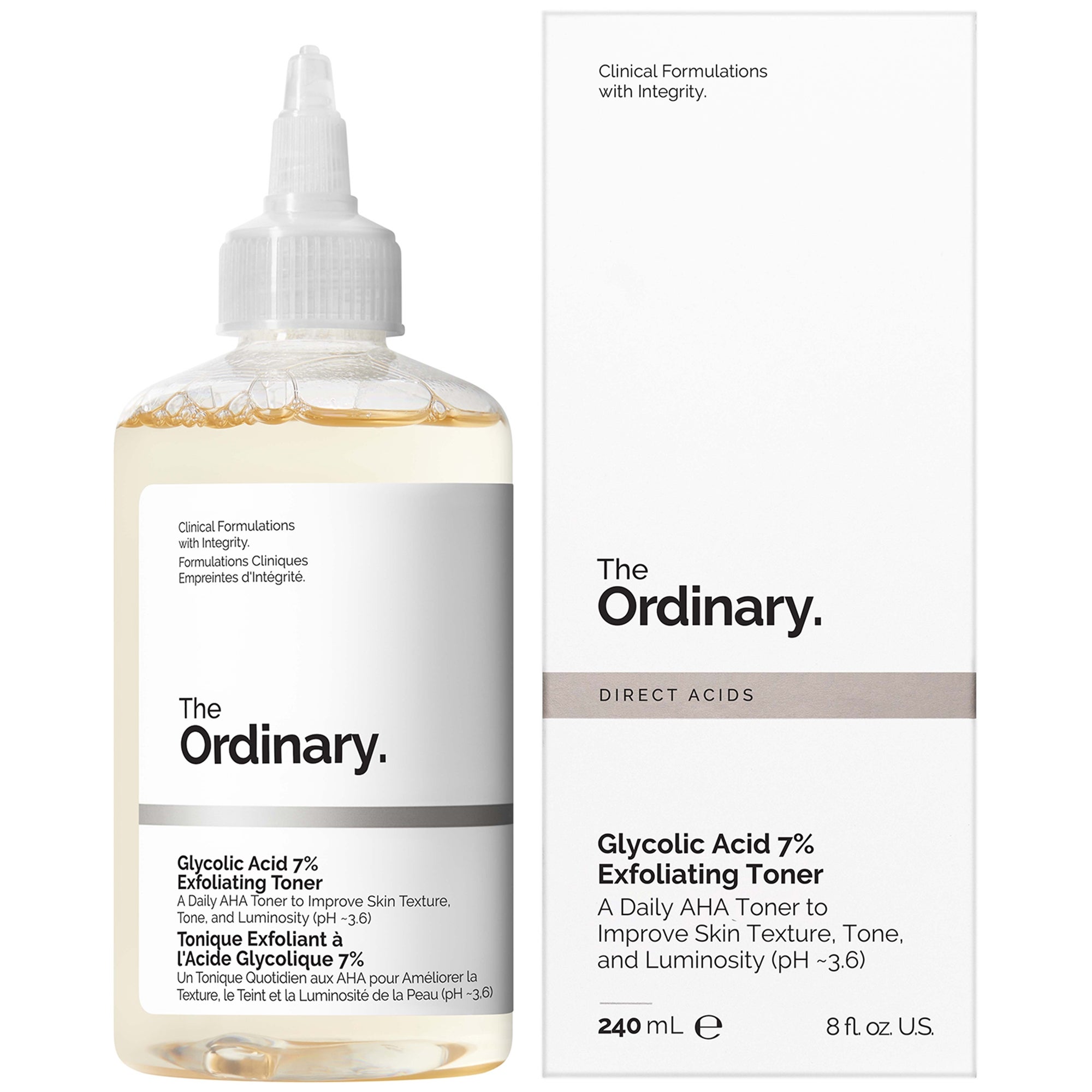 The OrdinaryThe Ordinary Glycolic Acid 7% Exfoliating Toner 240mlSkin Type: Combination, Dry, Normal, Oily Skin Concerns: Dullness, Uneven Skin Texture, Uneven Skin Tone What it is: A daily glycolic acid toner that smooths skin texture, evens tone, and enhances luminosity.S$28.75 is the well-known option with the strength printed on the bottle, which makes it easier to judge. L'Oréal Paris Glycolic-Bright Peeling Toner
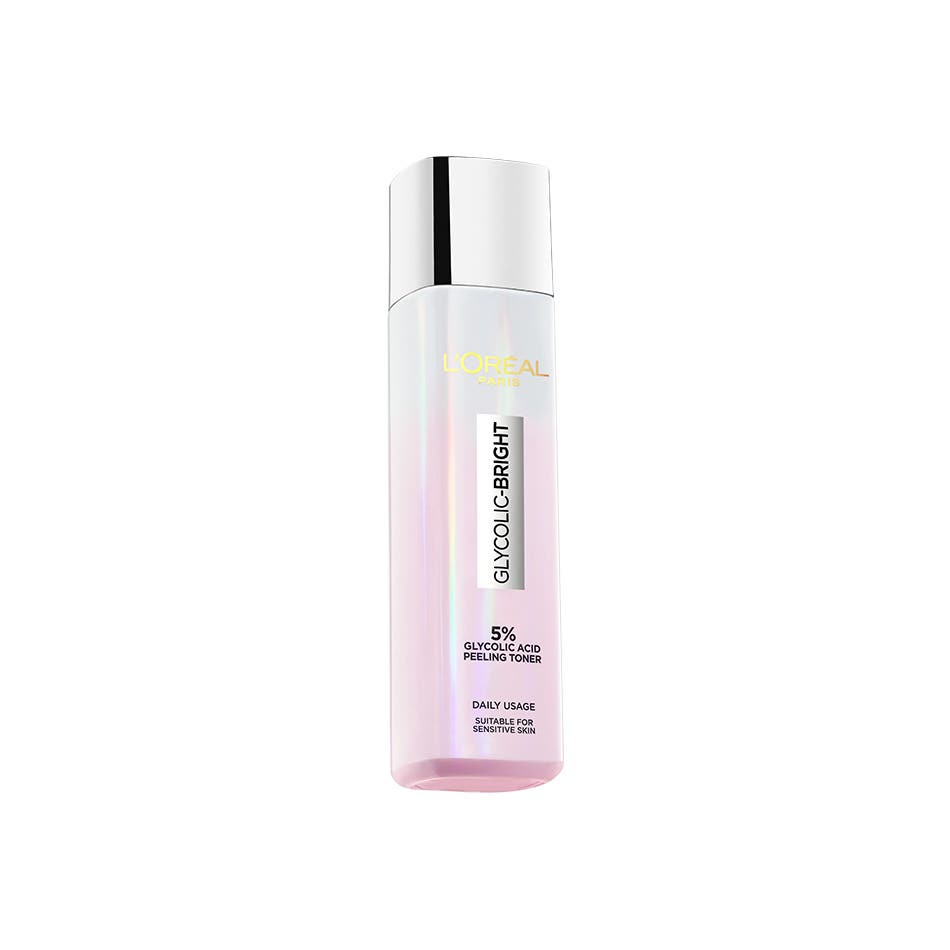 L'Oréal ParisL'Oréal Paris Glycolic-Bright Peeling Toner 128mlL'Oréal Paris Glycolic-Bright 5% Glycolic Acid Peeling Toner, 128ml.S$54.34 sits in a more mainstream skincare line, and Wardah Glycolic Acid Niacinamide Toner
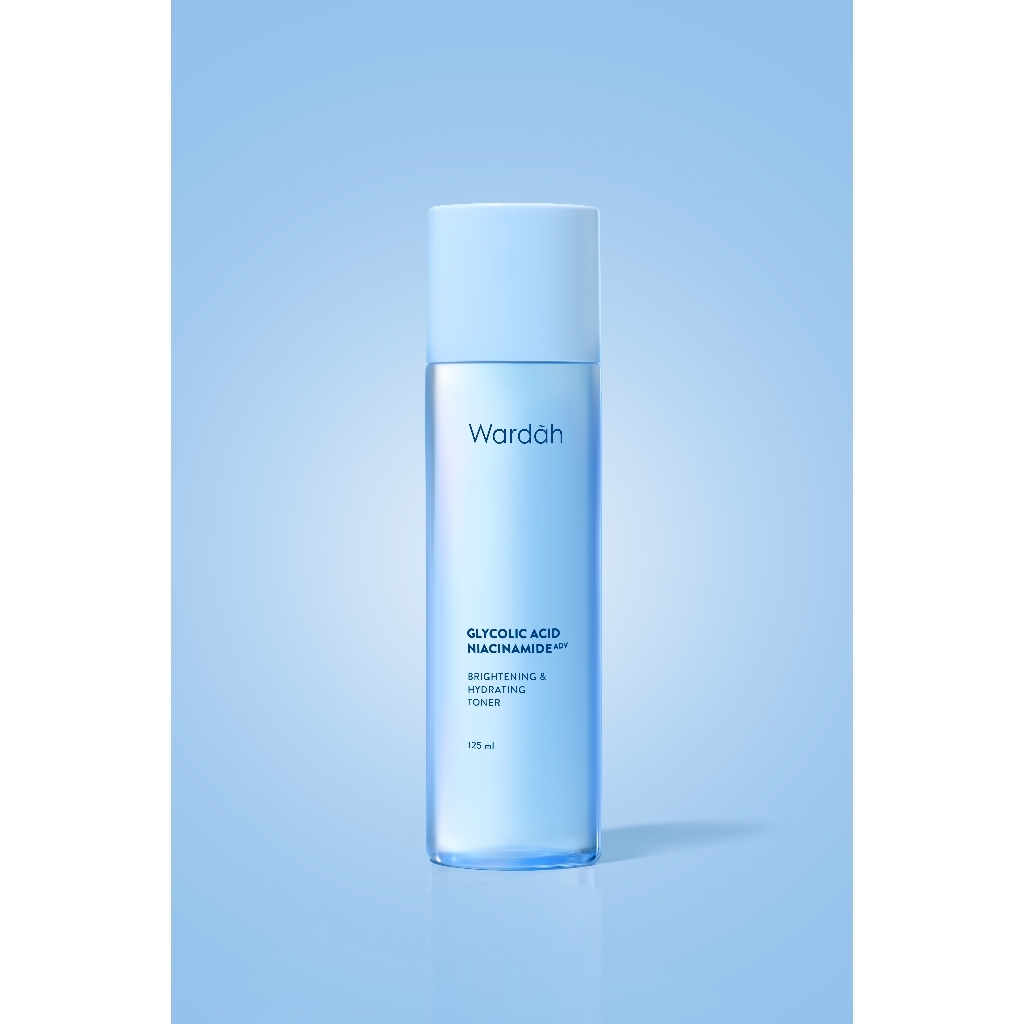 WardahWardah Glycolic Acid Niacinamide ADV Brightening & Hydrating Toner 125mlGlycolic Acid Niacinamide ADV toner, 125ml.S$8.35 pairs glycolic acid with niacinamide in a toner described as hydrating.
Who it suits:
Normal, oily and combination skin with dullness, rough texture or a few clogged pores
People who want a noticeable effect but still like the flexibility of a simple liquid step
How to use it well: start two or three nights a week, not daily. Apply on dry skin, wait a minute or two, then moisturise. A cotton pad gives a more even layer; hands waste less product but can over-apply around the nose. Keep it away from the eye area and the corners of the nostrils, where skin is thinner.
If you are unsure how often your skin can take it, our guide on how often to exfoliate helps you set a sensible rhythm.
Glycolic acid serum: targeted and concentrated
A glycolic serum is a leave-on treatment in a smaller, more concentrated bottle. Serums often combine the acid with other ingredients for tone or hydration, and they are used in drops rather than splashes.
L'Oréal Paris Glycolic Bright Instant Glowing Serum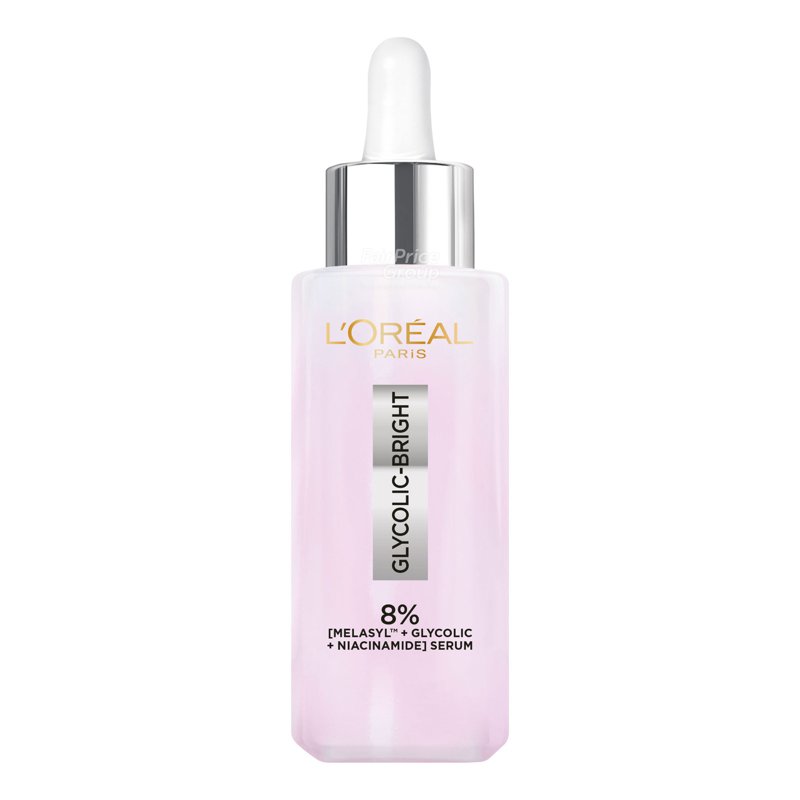 L'Oréal ParisL'Oréal Paris Glycolic Bright Instant Glowing Serum 30mlL'Oreal Paris Glycolic Bright Instant Glowing Serum: For facial skin care; apply according to the directions on the selected pack.S$54.56 is the serum in the same Glycolic Bright family, and suits people who prefer a slip-on serum texture over a watery toner.
Who it suits:
People with uneven tone or post-acne marks who want a dedicated treatment step
Drier skin types that find watery acid toners too stripping, since serums often feel more cushioned
Trade-off: because it is concentrated and stays on, a serum is easier to overdo. One or two pumps for the whole face is enough. Do not layer it with an acid toner on the same night.
Peels and stronger exfoliating solutions
Above the everyday formats sit short-contact peels and multi-acid solutions. Skintific 12% Peeling Solution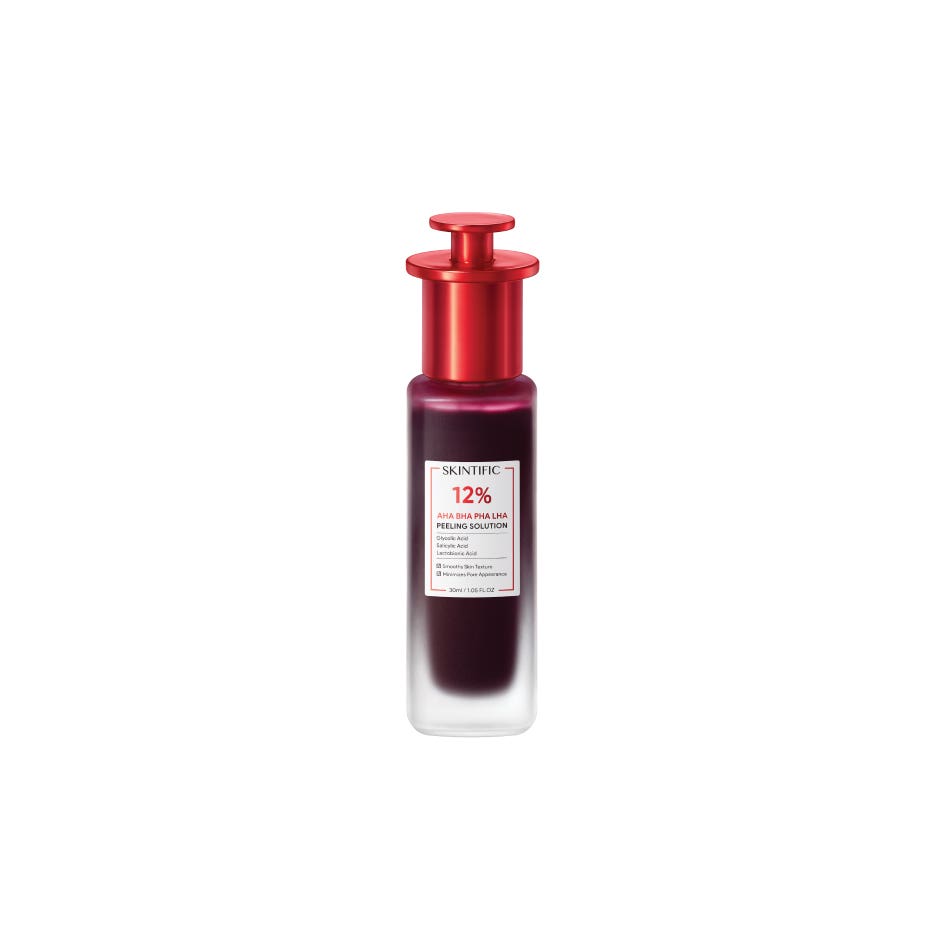 SkintificSkintific 12% Peeling Solution 30mlSkintific 12% Peeling Solution is a 30ml exfoliating solution with AHA, BHA, PHA and LHA.S$25.45 combines AHA, BHA, PHA and LHA, and L'Oréal Paris Glycolic Bright Anti-Dark Spot Exfoliant Peel
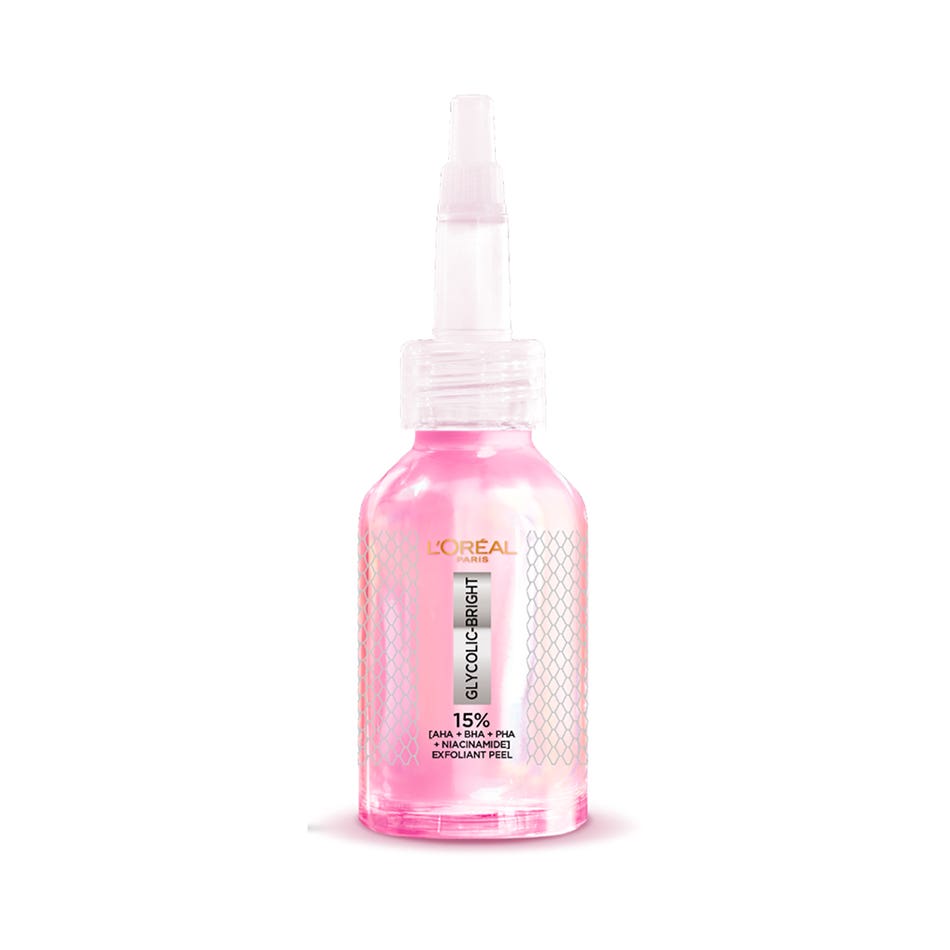 L'Oréal ParisL'Oréal Paris Glycolic Bright Anti-Dark Spot Exfoliant Peel 25mlLoreal Glycolic-Bright Anti-Dark Spot Exfoliant Peel is a peeling serum scientifically formulated with a powerful combination of 15% [AHA + BHA + PHA + Niacinamide] for multi-level exfoliation to even out skin tone while soothing the skin.
Loreal exfoliant serum improves skin brightness, texture, firmness, radiance and evenness to reveal healthy glowing skin.S$39.49 is an exfoliating peel within the same brightening range.
These are not starter products. They make most sense once you already tolerate a toner or serum, and they should replace your usual acid on the nights you use them, not add to it. Follow the pack directions on timing exactly, and rinse off if anything burns rather than tingles.
So which format should you choose?
A simple way to decide:
You are new to acids, or sensitive: start with a glycolic cleanser a few nights a week.
You want visible smoothness and have normal to oily skin: an AHA toner two or three nights a week.
Your main goal is dark marks or uneven tone, and you have drier skin: a glycolic serum, used on alternate nights.
You already use a toner happily and want more: consider an occasional peel, in place of the toner that night.
Pick one leave-on glycolic product at a time. Using a glycolic cleanser, toner and serum together is the most common way people end up with stinging, flaky skin. If that has already happened, our guide on repairing your barrier after over-exfoliating explains how to calm things down.
Sunscreen is not optional
AHAs can make skin more sensitive to the sun, and Singapore's UV index is high all year. Daily sunscreen is part of using glycolic acid, not an extra. Use it every morning, including office days, and reapply if you are outdoors at lunch or on a weekend walk. Our daily sunscreen guide covers choosing one you will wear.
When to stop and get help
Mild tingling for a minute is normal. Burning, swelling, weeping patches or a rash that lasts more than a day or two is not. Stop all acids, keep to a gentle cleanser and plain moisturiser, and see a doctor or pharmacist if it does not settle within a week, or sooner if it spreads.
Bottom line
Glycolic acid is useful, but the format sets the dose. Cleansers are gentle and brief, toners are the flexible middle ground, serums are concentrated treatments, and peels are occasional extras. Choose one format, start slowly, wear sunscreen every day, and give it six to eight weeks before you judge the results.