Baby Skincare in Singapore: What "Natural" and "Organic" Labels Really Mean
Natural, organic, botanical, plant-based: baby products are full of reassuring words. Here is what those labels can and cannot tell you, and what matters more for a baby's skin.
When you are choosing products for a baby, words like "natural", "organic" and "botanical" feel like a safe bet. It makes sense: you want the gentlest possible thing for brand-new skin.
The trouble is that these words often promise more than they deliver. Some natural ingredients are excellent for babies. Others, especially fragrant plant oils and extracts, are among the more common causes of irritation. And a product can be partly organic while still containing ingredients you might prefer to avoid.
This guide explains what the labels actually mean, what to look for instead, and how to keep a baby's skincare routine simple. For a broader checklist before buying anything for pregnancy or a newborn, see Pregnancy and Baby Skincare: What to Check Before Adding to Cart.
Why baby skin needs a light touch
A baby's skin is thinner than an adult's and its protective barrier is still maturing through the first year or so. It loses water more easily and can absorb more of what is put on it. Babies also have a larger skin surface relative to their body weight.
That does not mean babies need lots of special products. Most healthy babies need very little: plain water or a mild wash at bath time, a simple moisturiser if the skin looks dry, and a barrier cream for the nappy area. The fewer products you use, the easier it is to spot what suits your baby and what does not.
What "natural" means on a label
In most markets, including Singapore, there is no strict legal definition of "natural" for cosmetics. A brand can call a product natural if some of its ingredients come from plants or minerals, even if the formula also contains synthetic preservatives or fragrance.
Natural is also not the same as gentle. Plenty of plant-derived ingredients can irritate or sensitise skin, including essential oils such as lavender, tea tree and citrus oils. Why "Natural" Skincare Is Not Automatically Better goes into this in more detail.
When you see "100% natural" on a baby product, such as Colief Baby Face Balm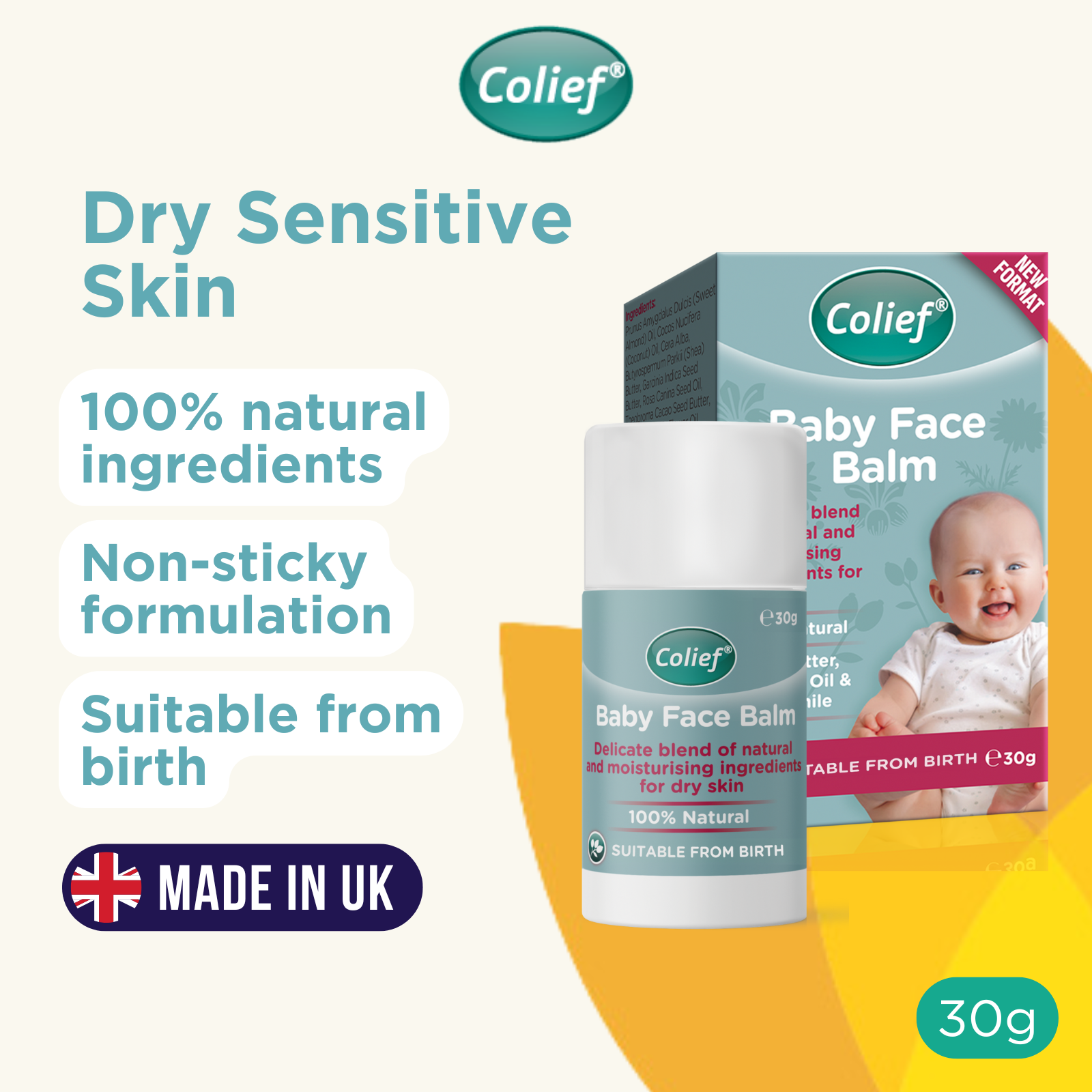 ColiefColief Baby Face Balm 30gWhy choose Colief Baby Face Balm 30g (Stick)
• Suitable from Birth
• 100% natural
• Hydrates and protects
• Mess-free application
• Portable and convenient- perfect for on-the-go momentsS$15.04, treat it as a description of the formula's style, not a guarantee that it will suit every baby. A balm stick like this is handy for cheeks exposed to wind or air-con on outings, but patch test first like any other product.
What "organic" means on a label
"Organic" usually refers to how plant ingredients were grown: without most synthetic pesticides and fertilisers. Some products carry certification from an independent organic body, which sets rules about what percentage of ingredients must be organic and which ingredients are allowed.
Points worth knowing:
"Made with organic calendula" is not the same as "certified organic". Cetaphil Baby Wash & Shampoo with Organic Calendula
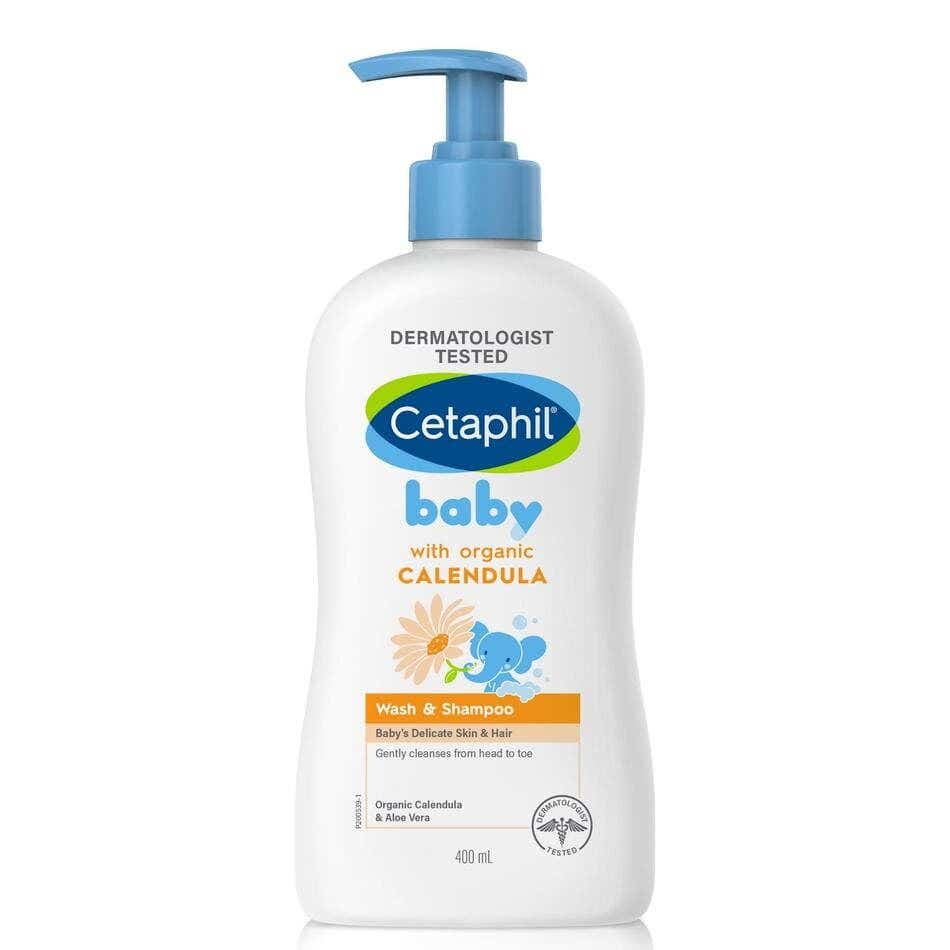 CetaphilCetaphil Baby Wash & Shampoo with Organic Calendula 400mlCetaphil Baby Wash & Shampoo with Organic Calendula is a rinse-off cleanser for baby hair and skin. It contains calendula flower extract and glycerin.S$29.15 uses an organic plant extract within a conventional, gentle formula, which is perfectly fine; it just means one ingredient is organic, not the whole product.
Certified organic products such as Mustela Multi-Purpose Balm
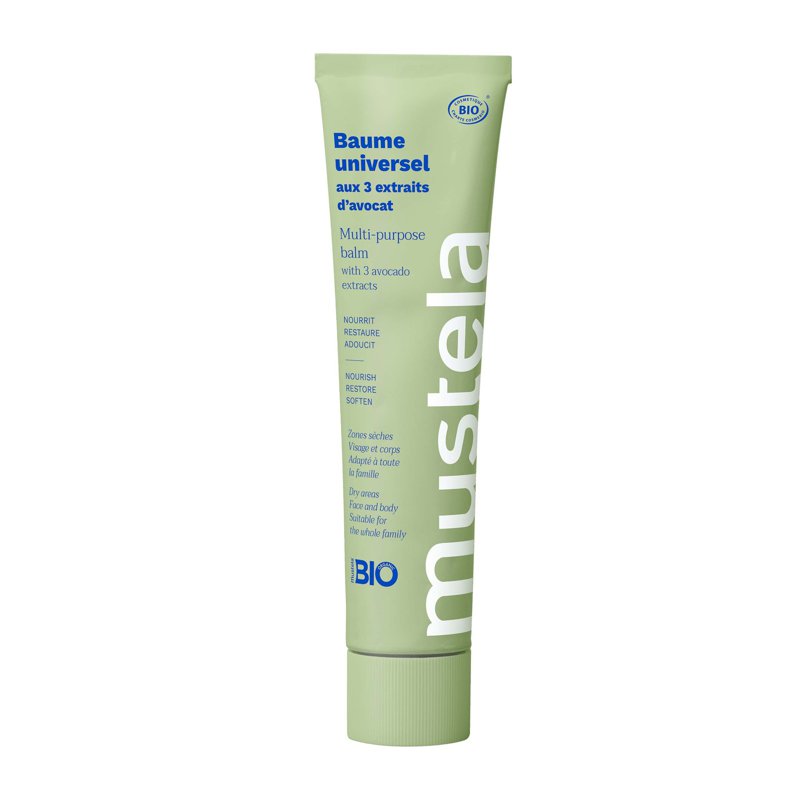 MustelaMustela Multi-Purpose Balm 75mlThe certified Organic Multi-purpose Balm moisturizes and nourishes dry areas of the skin, leaving it visibly repaired, soft, supple and radiant with health.S$23.08 follow a certifier's standards across the formula. Look for the certifier's logo on the pack.
Organic does not mean allergen-free. An organic essential oil is still an essential oil.
Organic does not mean preservative-free. Water-based products need preservatives to stay safe once opened, and that is a good thing.
Alteya Organics Organic Baby Wash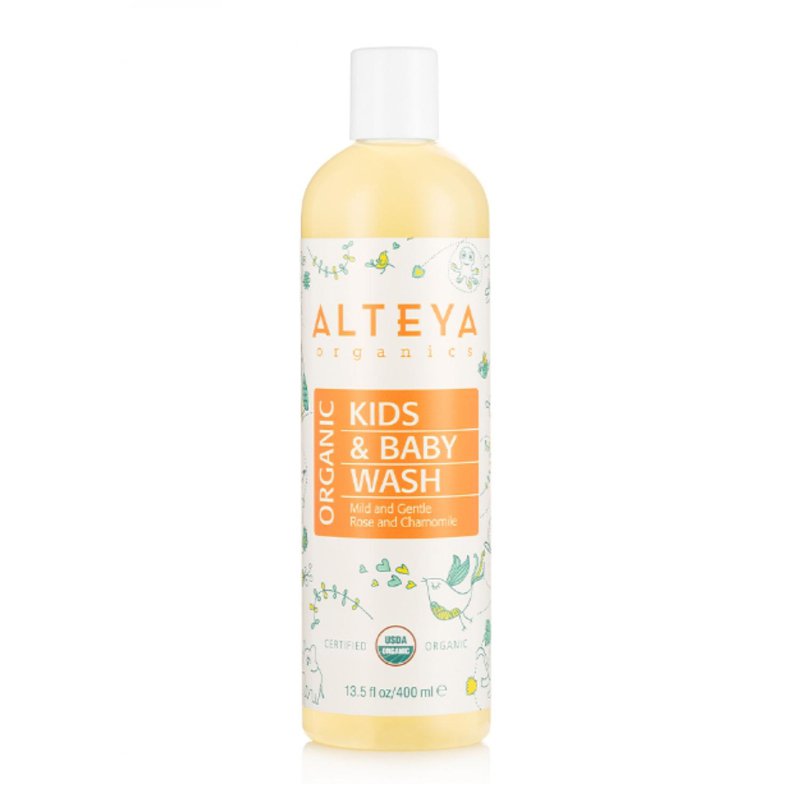 Alteya OrganicsAlteya Organics Organic Baby Wash 400mlCertified organic baby wash for the most sensitive newborn skin.
Formulated with natural and organic, gentle foaming soap base rich in softening apricot oil to moisturize and soften.
Safe for babies, kids and sensitive adults as a body and hair wash.S$32.88 is an example of a wash from a brand built around organic ingredients. If organic farming matters to you for environmental reasons, that is a perfectly good reason to choose one. Just do not assume it is automatically gentler.
What matters more than natural or organic
For baby skin, these questions are more useful than any marketing claim:
Is it fragrance-free or very lightly fragranced? Fragrance, natural or synthetic, is a common trigger for irritation. Fragrance-Free, Unscented, Essential Oils explains the label traps.
Is the ingredient list short? Fewer ingredients means fewer possible triggers and easier detective work if a rash appears.
Is it designed for babies or sensitive skin? This usually means milder cleansers and simpler formulas.
Is it the right texture for the job? A lotion for everyday use, a cream for drier skin, a balm for small rough patches.
A plain, clinical-looking product can be every bit as suitable as one covered in leaves and flowers. QV Baby Moisturising Cream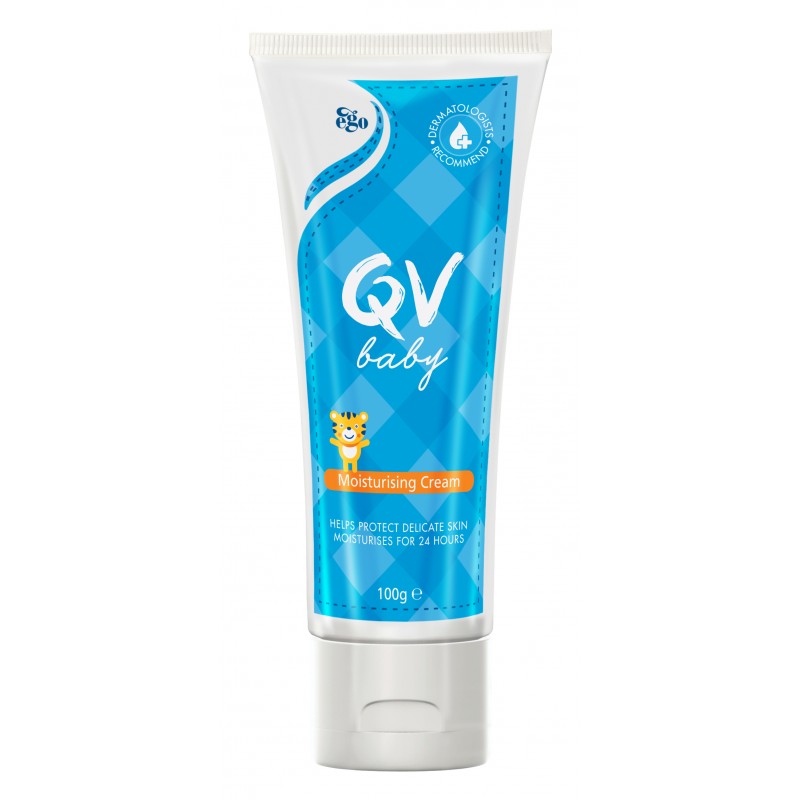 QVQV Baby Moisturising Cream 100gFragrance free Propylene glycol free pH balanced Lanolin free QV baby moisturising cream is a rich and replenishing moisturiser that helps relieve baby's dry skin.S$17.09 is a good example: unglamorous packaging, a simple formula aimed at dry, sensitive baby skin.
Choosing a gentle baby wash
Babies do not need to be bathed with soap every day. Many parents use plain water for most baths in the first weeks and introduce a mild wash as the baby gets older or messier.
When you do use a wash, look for one that is mild, tear-free and preferably low in fragrance. Mamaearth Simply Non-Scents Baby Wash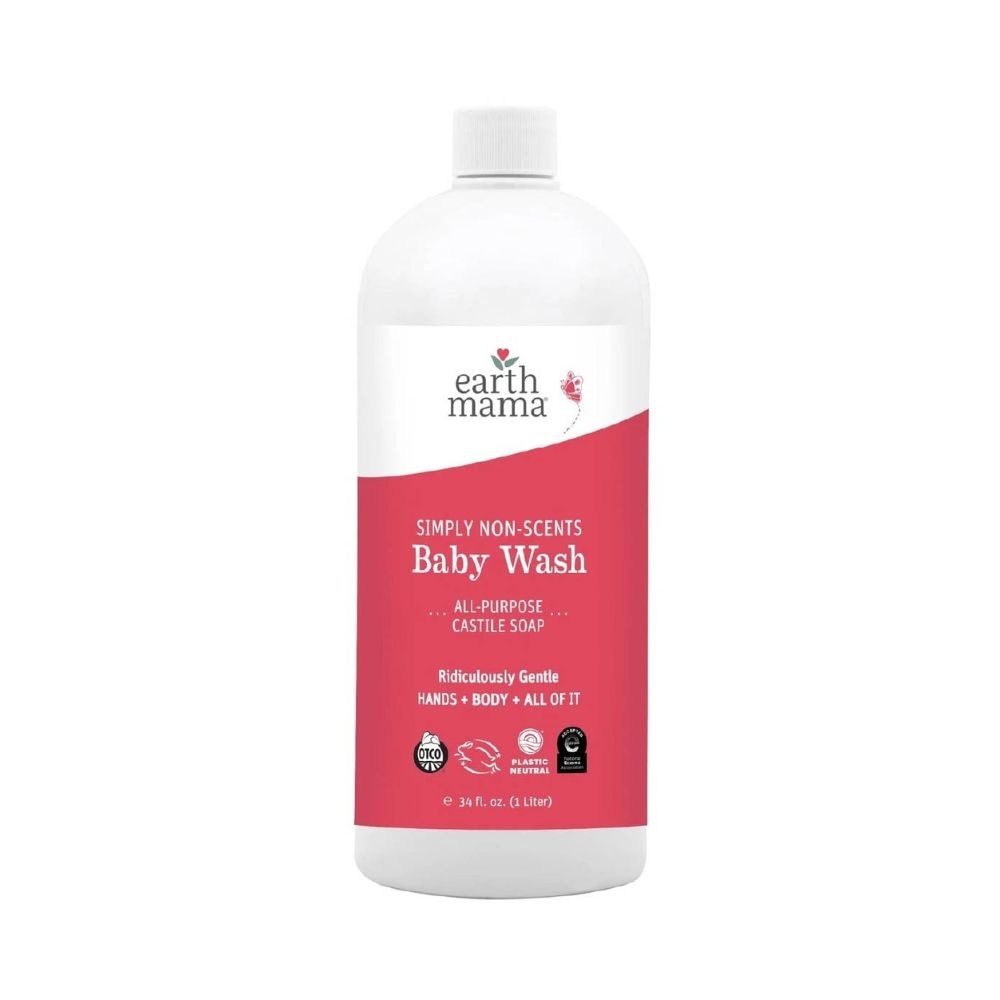 MamaearthMamaearth Simply Non-Scents Baby Wash 1000mlA baby wash, 1000ml.S$67.47 is an option for parents who like a natural-leaning brand but want to skip added scent.
Keep baths short and the water warm rather than hot. In Singapore's heat, babies sweat in skin folds, so focus on gently cleaning the neck, armpits and nappy area.
Choosing a baby moisturiser
If your baby's skin looks healthy, you may not need a moisturiser at all. If it looks dry or rough, especially in air-conditioned rooms, a simple lotion after bath time helps.
Mamaearth Milky Soft Body Lotion for Babies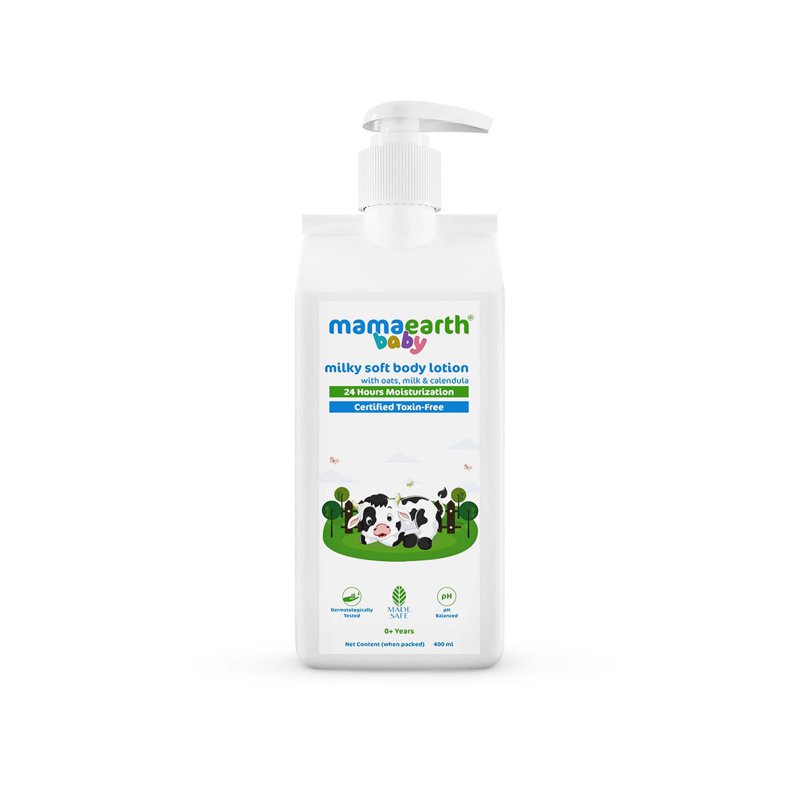 MamaearthMamaearth Milky Soft Body Lotion for Babies 400ml• Mamaearth Milky Soft Body Lotion moisturizes your baby's delicate skin and it drives away dryness and locks-in the skin's natural oils to help keep your munchkin's skin soft all day long
• Enriched with the natural goodness of oats, milk and calendula, this baby lotion offers gentle and safe care to your munchkin by making their skin supple and soft
• Oat milk has immense moisturizing and soothing properties that help in getting rid of dry and itchy skin, while leaving skin deeply nourished
• This baby lotion is also MadeSafe Certified and because of Mamaearth's no toxins and no harmful chemicals philosophy, you won't find any silicones, parabens, mineral oil and dyes in it.S$14.00 is a light lotion with oats and calendula, suited to everyday use on normal baby skin. For drier patches, a thicker cream or balm works better.
A word on baby massage oils
Baby massage can be a lovely bonding routine. If you use an oil, choose one made for babies and avoid adding essential oils. Pigeon Natural Botanical Baby Massage Oil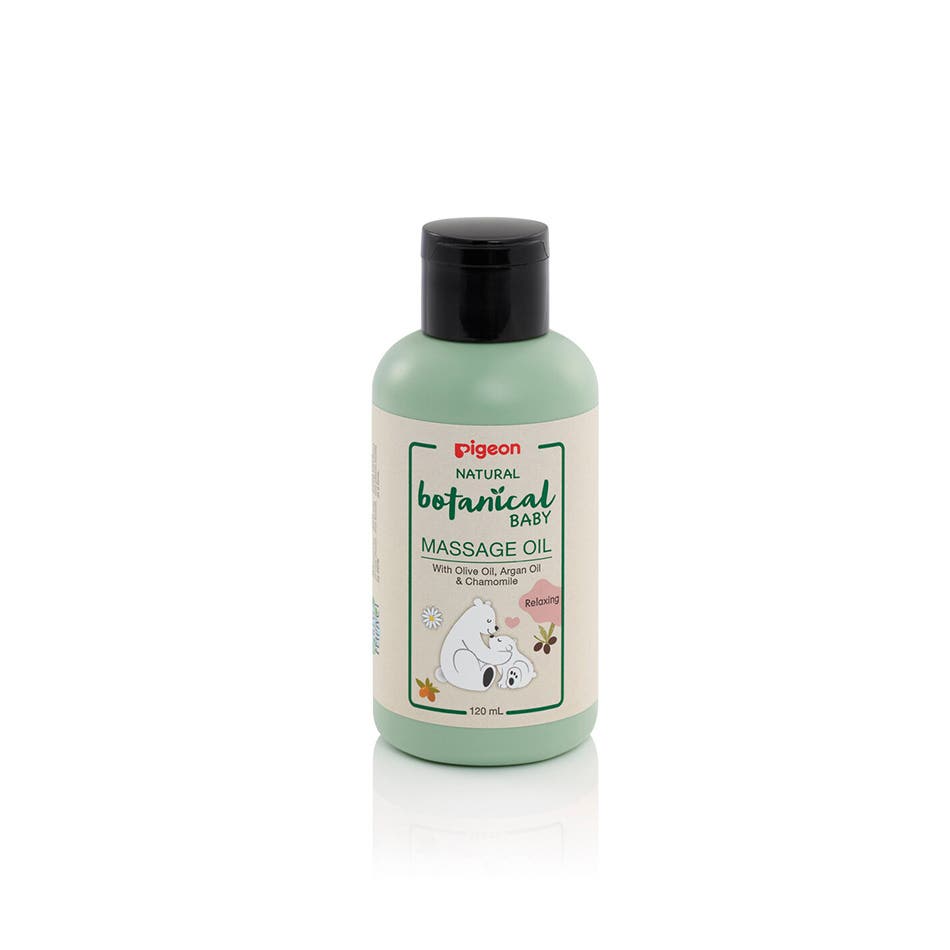 PigeonPigeon Natural Botanical Baby Massage Oil 120mlPigeon Natural Botanical Baby Massage Oil, 120ml.S$10.05 is designed for this purpose.
Some research suggests certain plant oils, such as olive oil, may not be ideal for babies with dry or eczema-prone skin, so if your baby's skin is dry or prone to rashes, ask your paediatrician or pharmacist before making oil massage a daily habit.
How to introduce a new baby product
Start one new product at a time.
Apply a small amount to a small patch of skin, such as the inner arm, for a couple of days.
Watch for redness, bumps or fussiness.
If all looks well, use it normally.
When to see a doctor
See your paediatrician or GP if your baby has a rash that spreads, weeps, crusts or bleeds; dry, itchy patches that do not improve with a simple moisturiser; a rash with fever or if your baby seems unwell; or a nappy rash that does not settle within a few days of good care.
Bottom line
"Natural" and "organic" can be meaningful, especially if you care about farming practices, but they are not shortcuts to gentle. For a baby's skin, look for fragrance-free or lightly scented formulas, short ingredient lists and textures that suit the job. Keep the routine small, introduce one product at a time, and let your baby's skin tell you what works.
