Is It Suitable for Sensitive Skin? How to Check Cleansers, Fragrance-Free Labels and Redness Creams
"Suitable for sensitive skin" is on almost everything. A practical way to judge a gentle cleanser, read a fragrance-free label and choose a calming moisturiser for redness-prone skin.
"Is it suitable for sensitive skin?" is one of the questions shoppers ask most, and one of the hardest to answer from a label. Plenty of products say "gentle" or "for sensitive skin" on the front. That wording is marketing, not a test result, and it does not tell you how your skin will react.
The good news is that you can make a much better guess by checking a few specific things: what kind of cleanser it is, whether fragrance is present, and how many active ingredients it contains. This guide walks through each, then suggests calm, simple products for cleansing and for redness-prone skin.
If you want the background on terms like hypoallergenic and dermatologist-tested, our guide to sensitive skin labels covers them in detail, so we will not repeat it here.
A quick suitability check
Before buying, run through these questions.
Is it fragrance-free? Fragrance, including essential oils, is one of the more common reasons a product irritates reactive skin.
How many actives does it contain? Acids, retinoids, high-strength vitamin C and strong exfoliants are all worth avoiding while your skin is reactive.
Does it contain drying alcohol near the top of the ingredient list? Alcohol denat. high up can sting skin that is already irritated.
Is it rinse-off or leave-on? Rinse-off products spend less time on your skin, so they are a lower-risk place to experiment.
Can you patch-test it? A few days on a small area, such as beside the ear or along the jaw, is the most reliable check you have. Our patch testing guide explains how.
None of these guarantees a product will suit you, but a product that passes all five is a much safer bet than one that simply says "gentle".
Fragrance-free, unscented and "no added fragrance"
These terms are not the same. "Fragrance-free" usually means no fragrance has been added. "Unscented" can mean a masking ingredient has been used to cover the natural smell of the formula. And "natural" products may contain essential oils, which can be just as irritating as synthetic perfume for some people.
The practical rule is to read the ingredient list rather than the front label. Look for "parfum" or "fragrance", and for named essential oils such as lavender, citrus peel or tea tree. Our article on the scent label trap goes deeper.
What makes a cleanser gentle
A gentle cleanser removes sunscreen, sweat and oil without leaving skin tight, hot or itchy. In practice, that usually means a low-foaming lotion or cream cleanser, or a mild gel, without fragrance or scrubbing particles.
Cetaphil Gentle Skin Cleanser
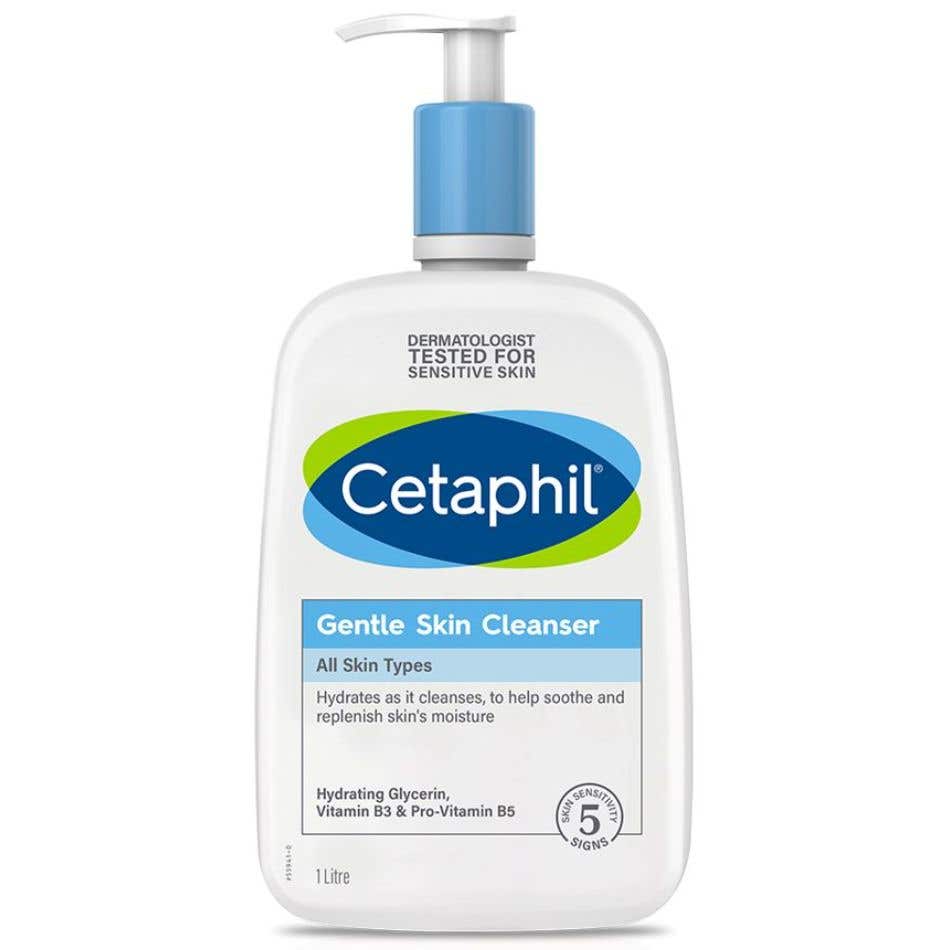 CetaphilCetaphil Gentle Skin Cleanser 1000mlCetaphil Gentle Skin Cleanser 1000ml is a large mild cleanser for face, hands, or body routines.S$28.09 is a classic low-foam lotion cleanser. You can use it with water, or massage it in and wipe it off on very reactive days.
The La Roche-Posay Toleriane
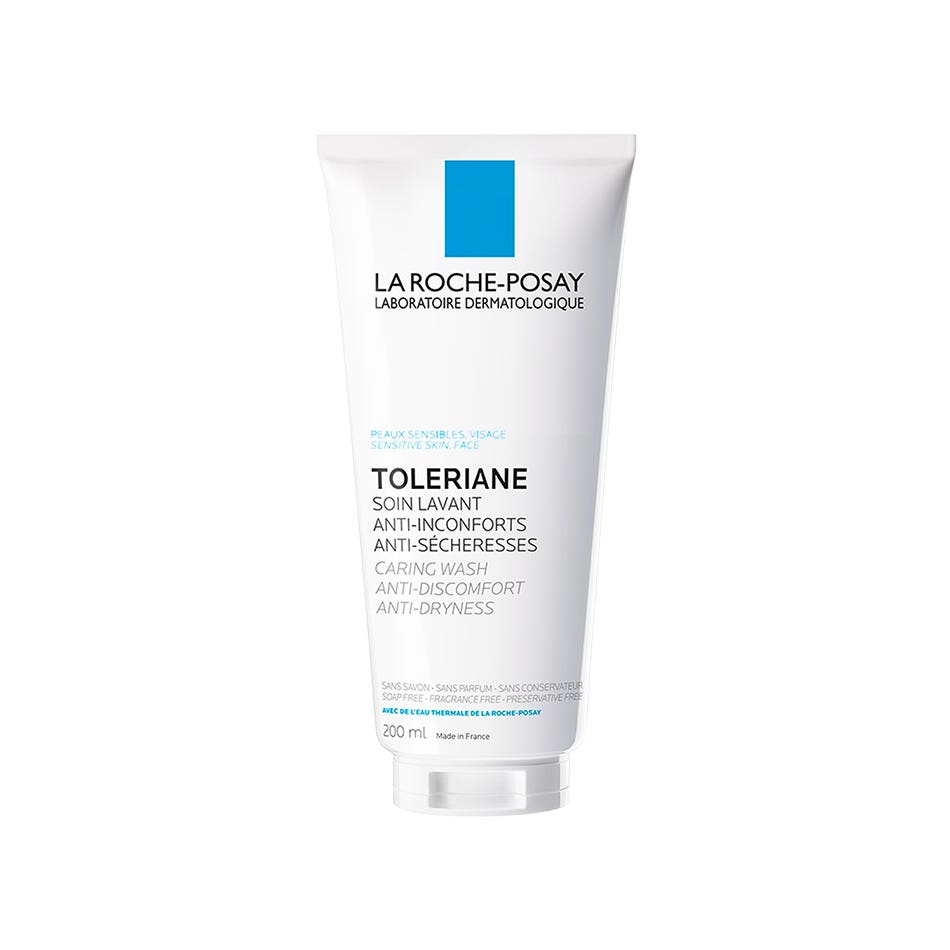 La Roche-PosayLa Roche-Posay Toleriane Caring Wash - 200mlLa Roche-Posay Toleriane Caring Wash 200ml is a gentle face cleanser for normal-to-dry sensitive skin routines.S$32.55 range is designed for sensitive skin and includes a caring wash and moisturisers.
Vanicream Sensitive Skin Care
 VanicreamVanicream Cleanser + Face + Body Cream BundleVanicream Cleanser + Face + Body Cream Bundle is a gentle cleanser for simple sensitive-skin routines. It is the size as shown in the variant name option, supplied as a bundled set, so the items shown in the variant name arrive together.S$77.61 offers a gentle cleanser, a facial moisturiser and a body cream, and is known for very short, simple formulas.
Signs your cleanser is too strong: tightness within ten minutes of washing, stinging when you apply moisturiser afterwards, or flaky patches around the nose and mouth. Our guide to gentle cleansers that don't leave skin tight has more on this.
Calming moisturisers for redness-prone skin
Redness has many causes, from simple irritation to rosacea-prone skin, so no cream will make it disappear. What a good moisturiser can do is support the skin barrier, reduce dryness and avoid adding new triggers.
Look for short ingredient lists, no fragrance, and soothing or barrier-supporting ingredients such as glycerin, ceramides, panthenol or niacinamide in a modest amount.
Avène Tolerance Hydra10 Fluid
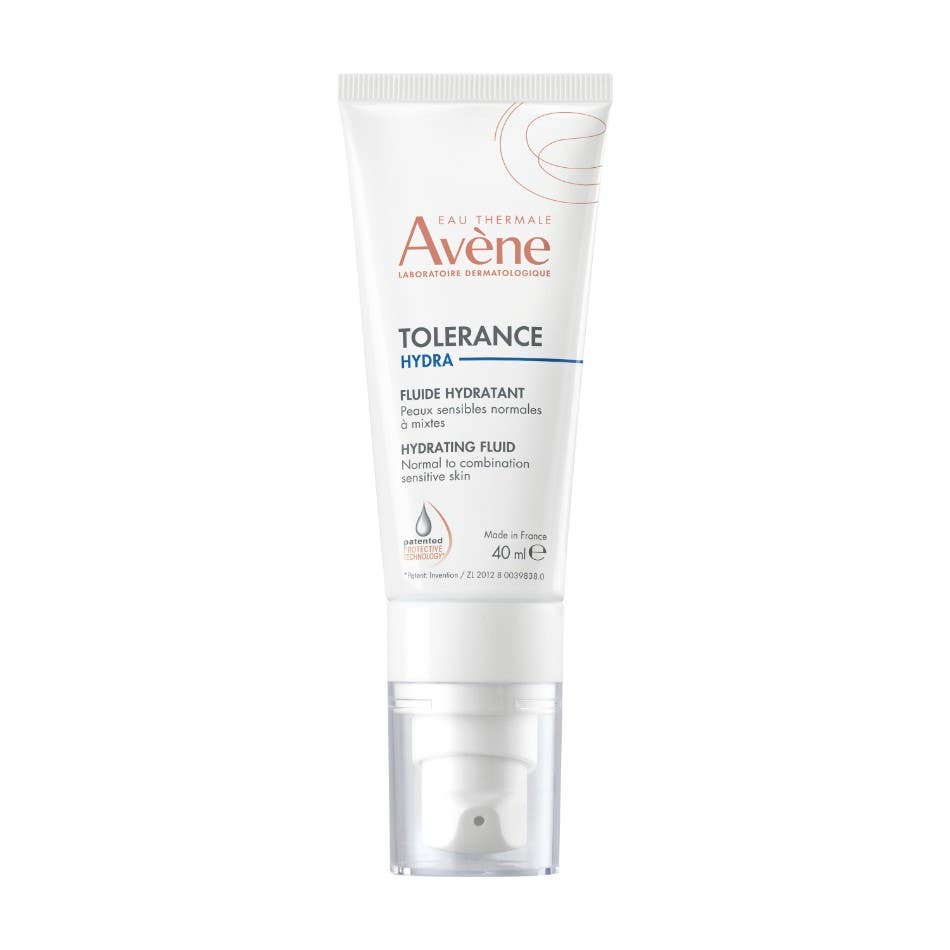 AveneAvene Tolerance Hydra10 Fluid 40mlEnriched with Hyaluronic Acid, its formula intensely hydrates the skin for 48 hours ( For normal / combination skin )S$41.25 is a light fluid for normal to combination sensitive skin. Its texture suits humid days.
Bioderma Sensibio Defensive
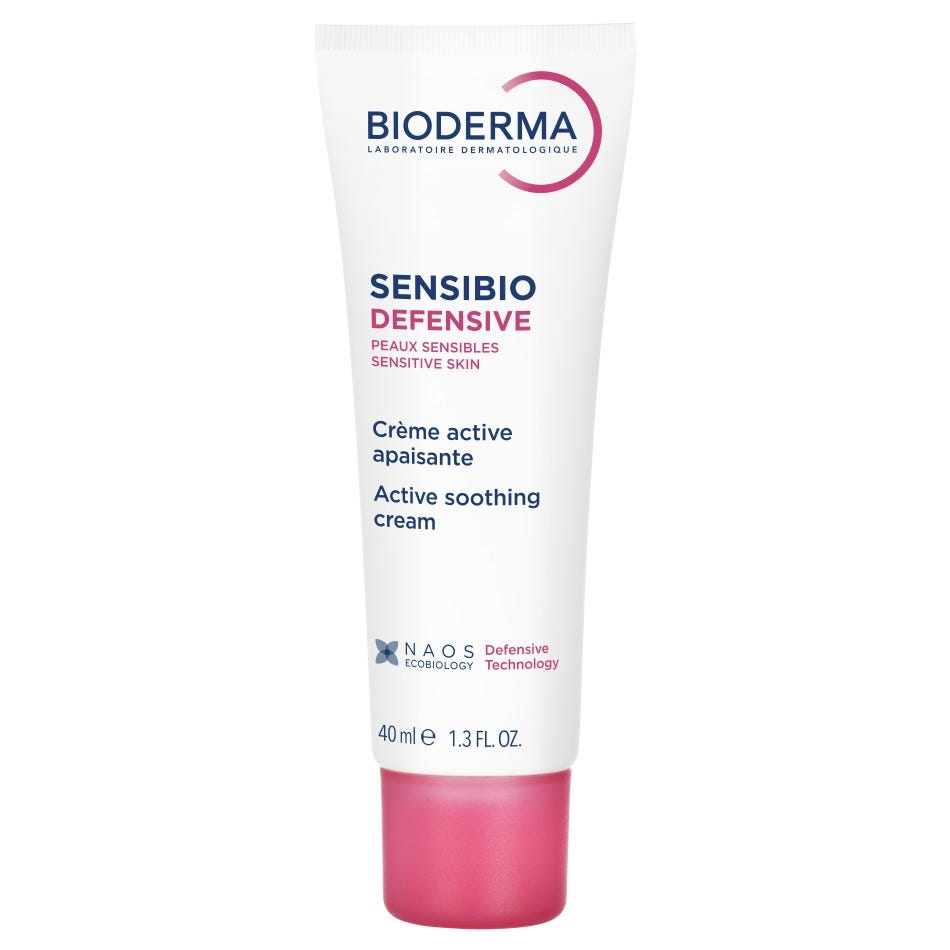 BiodermaBioderma Sensibio Defensive 40mlBioderma Sensibio Defensive, 40ml.S$48.29 is a light cream from Bioderma's sensitive-skin line.
The Cetaphil Redness Relief
 CetaphilCetaphil Redness Relief Day SPF40 50mlCetaphil Redness Relief Day SPF40 50ml is a sunscreen in a 50ml pack.S$37.04 range includes a day moisturiser with SPF40 and a night cream aimed at redness-prone skin. A day cream with SPF is convenient, but use a proper amount if you are relying on it as your sunscreen.
La Roche-Posay Cicaplast Baume B5+
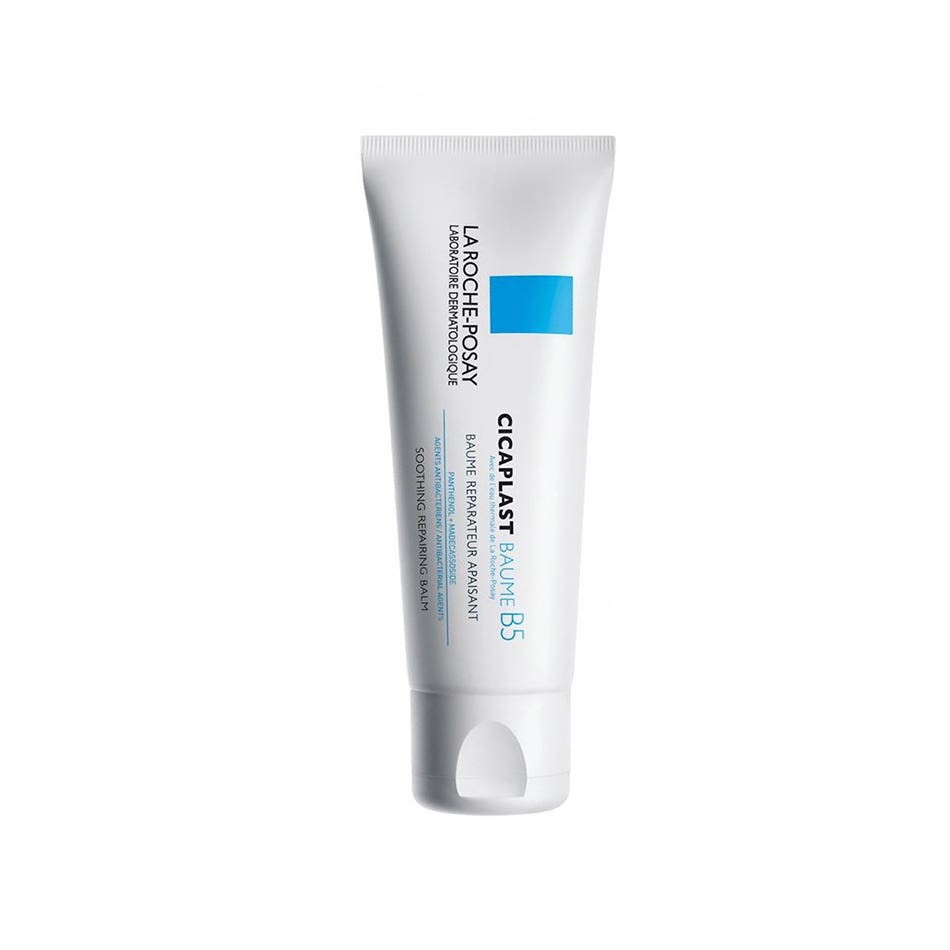 La Roche-PosayLa Roche-Posay Cicaplast Baume B5+ Ultra Repairing Soothing Balm - 40mlLa Roche-Posay Cicaplast Baume B5+ 40ml is a compact balm for dry or irritated-feeling skin routines.S$24.57 is a richer balm. It works well as an overnight layer on dry, irritated patches, but may feel heavy as an all-over day cream in Singapore humidity.
Sensitive or sensitised?
It is worth asking whether your skin is naturally sensitive or has become sensitised by your routine. Over-exfoliating, stacking actives, harsh cleansers and even long hot showers can all make normally resilient skin reactive for a while. The fix for that is subtraction: fewer products, gentler ones, and time. Our guide to sensitive vs sensitised skin explains how to tell the difference.
A simple routine for reactive days
Morning: rinse or use a gentle cleanser, apply a fragrance-free moisturiser, then sunscreen.
Evening: gentle cleanser, then moisturiser. Add a balm over dry patches if needed.
Keep it like this for at least two weeks before adding anything new, and introduce one product at a time.
When to see a doctor
See a GP or dermatologist if redness is persistent and spreading, if you have burning, swelling or blistering, if you notice visible small blood vessels, flushing with bumps or eye irritation (possible signs of rosacea), or if a rash keeps coming back despite a simple routine. Our guide to rosacea-prone skin explains where skincare stops being enough.
Bottom line
Do not trust "for sensitive skin" on its own. Check for fragrance, count the actives, prefer rinse-off products when experimenting and patch-test new leave-ons. A gentle low-foam cleanser and a simple fragrance-free moisturiser will do more for reactive skin than any number of soothing serums.

