What Are Personal Agents, and How Are They Different from LLMs?
GPT, Claude and Grok are model families. Grok Bot, Perplexity Computer, Muse and Dots are agent examples. Follow one shopping task to see how models, research products and agents differ.
Ask an AI to explain the difference between laundry detergent and fabric softener, and you expect an answer. Ask it to prepare your household restock, check the prices and bring you a basket to approve, and you are delegating a task.
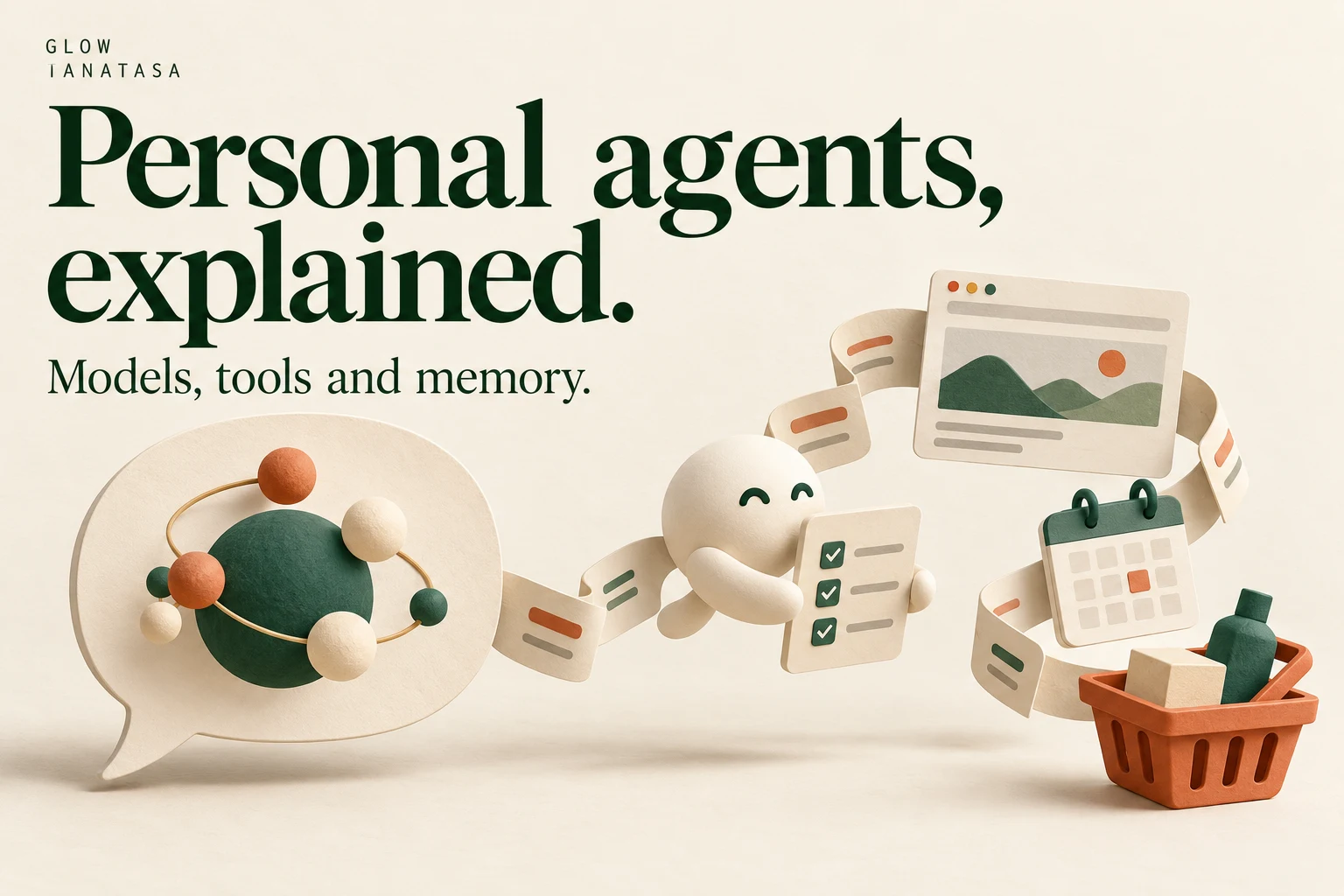
That shift helps explain the interest in personal agents. The distinction starts with two different layers of technology: an LLM is a model; a personal agent is a system that may use an LLM to work towards your goals.
What is an LLM?
LLM stands for large language model. It is a type of AI model trained on large amounts of data to process and generate language. It can help explain a concept, summarise a document, draft a message or reason through a problem using the information available to it. IBM explains large language models.
A model can produce a proposed action, such as a request to search a catalogue. Software around the model must actually execute that request. The model alone does not have an account at your favourite store or permission to spend your money.
This distinction also matters when people use an app name and a model name interchangeably. An AI app can combine a model with search, files, saved preferences and other features. What you experience depends on the whole product, rather than the model alone.
Examples: model names and app names
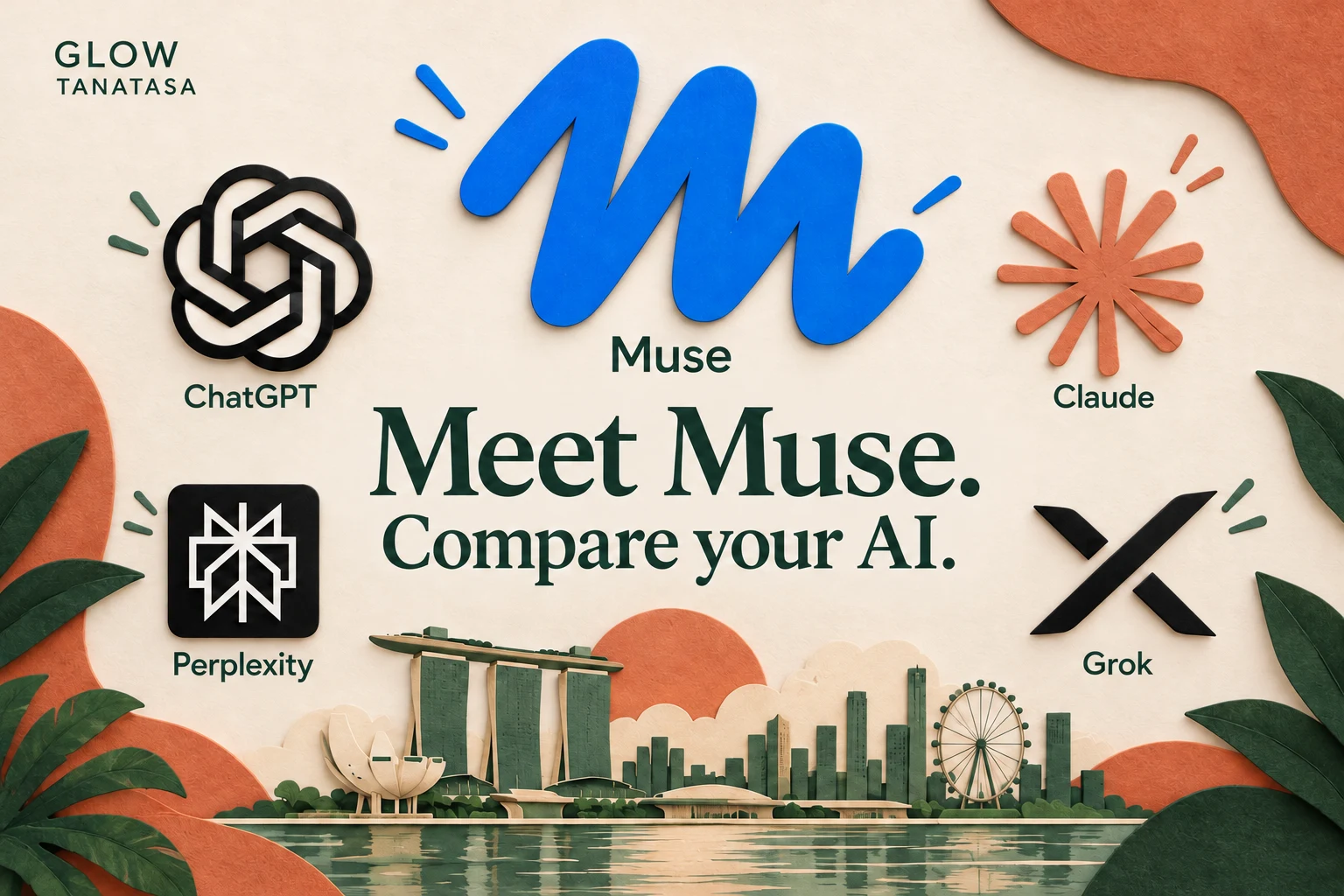
Examples of LLM families include OpenAI's GPT models, Anthropic's Claude models and Grok models. These are models that software can call to interpret a request and generate a response.
ChatGPT, the Claude app and Grok chat are products built around models. They add an interface and features such as search, files and connected tools. Perplexity Search is another product: it returns researched answers with sources and can use different models. Calling every app an LLM hides those differences.
For example, ask a model, “What is the difference between liquid detergent and fabric softener?” The expected result is an explanation. To check today's Tanatasa stock or build a basket, the surrounding application must also retrieve product data and execute shopping actions.
What is a personal agent?
A personal agent is software designed to carry out tasks on your behalf, using the context and permissions available to it. In an LLM-based agent, the model helps interpret the goal and choose what to do next. Tools let the system retrieve information or take actions. IBM describes how AI agents work.
For this article, personal means the agent works around an individual's tasks and preferences: a household budget, a shopping list or a plan that needs following up. It does not imply that the software understands everything about you or can act without limits.
The term agent is used broadly. Some products handle a short task in one session; others support ongoing work. Check what the particular product can actually do.
Examples of personal agents
Meta Muse is a concrete personal-agent example for Singapore shoppers. Give Muse an errand such as preparing a household restock at Tanatasa: clarify the exact toothpaste, compare fragrance-free detergent, build a shared basket within S$60 and bring the result back for approval. Shopping with Muse at Tanatasa has been tested. Start with the Muse shopping guide.
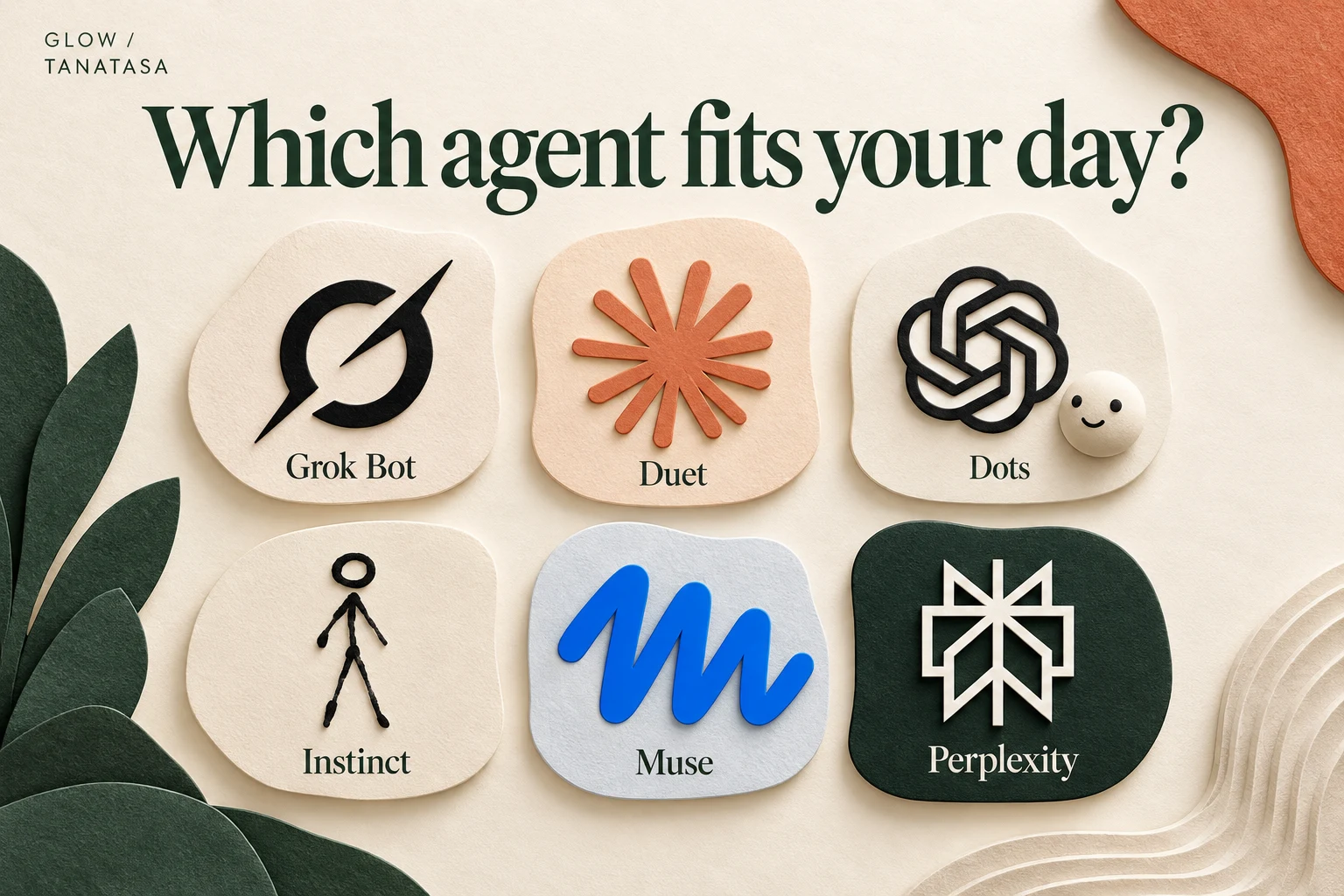
Instinct, OpenAI Dots and Claude Duet are further personal-agent examples, with different ways to assign work and connect services. A dot can take on an ongoing responsibility; Instinct can receive everyday errands. ChatGPT and Claude also combine models with tools for research and action. Our personal-agent comparison explains the different starting points.
Grok Bot is another agent example. Give a Bot a responsibility such as checking a household shopping list and preparing a basket for review. It works across websites and apps on a persistent computer. Grok Bot overview.
Perplexity Computer handles delegated research-and-action workflows. Personal Computer extends that work to local files and apps; Comet is Perplexity's browser. A shopping task could start with a list in a file and finish with a sourced comparison and proposed basket. Computer and Personal Computer.
The model helps interpret your request and choose the next step; the agent's tools retrieve product data and carry out the shopping actions. In the Muse example, the result is a checked Tanatasa basket you can open and review.
How does an agent use an LLM?
An agent can work through a loop: interpret your request, choose a tool, inspect the result and decide the next step. If a product is unavailable, the next step might be to search for an alternative or ask you what to change.
Anthropic distinguishes agents that dynamically choose their processes and tools from workflows that follow predefined paths. Both can use LLMs. Simply adding a scheduled reminder or a fixed automation does not make a system an independently planning agent. Read Anthropic's explanation.
For a shopper, the practical question is whether the system can respond usefully to what it finds. Can it notice that the cheaper listing is a smaller pack? Can it explain why the basket exceeds your budget? Can it stop and ask when your preferred item is unavailable?
The difference through a shopping example
Use the same request to see the difference: “Find fragrance-free liquid laundry detergent and two tubes of my usual toothpaste at Tanatasa. Keep the delivered total under S$60. Ask before substitutions or payment.”
A model-only response: the model explains what to look for and drafts a shopping list. It has no fresh catalogue result unless software supplies one.
A research product: ChatGPT, Claude, Grok chat or Perplexity Search uses available search or browsing tools to read current product pages, then returns exact variants, source links and a recommendation. The useful output is a checked shortlist.
A delegated agent task: give Muse the brief and Tanatasa’s shopping instructions. Shopping with Muse at Tanatasa has been tested. Through the shopping tools, Muse searches products, checks the detergent formula and toothpaste pack count, builds a shared guest cart and obtains a delivered quote. You review the basket and approve payment. Instinct, Dots, Grok Bot and Perplexity Computer are other agent examples to compare using the same brief.
For the toothpaste, “two tubes” could mean two single tubes or one twin pack. A useful agent checks the pack contents, shows the quantity it selected and asks for your usual product if you have not identified it. That is a concrete task outcome you can inspect.
The same product can support both conversation and action. Asking ChatGPT or Grok a question does not by itself define an agent task; the goal, available tools and executed steps determine what work is done.
What makes it personal?
Relevant context makes a difference. If you have already said that you prefer refill packs, an agent with access to that preference can use it when preparing your next comparison. If you change your mind, it needs the updated instruction.
Saved notes and preferences are generally information the application stores and supplies to the model when relevant. They do not necessarily mean the underlying model is being retrained for you. Context also has limits: more conversation history does not guarantee that every detail will be used correctly. Anthropic explains context management.
Make important requirements explicit in each consequential task. For example, say that fragrance-free is required and a larger pack is optional. That gives the agent a clearer basis for deciding what to propose.
Can it keep working while you are away?
Some agent products support background tasks, scheduled checks or follow-up notifications. Others stop when the session ends. Those capabilities require software that keeps task state and resumes work; they do not follow automatically from using an LLM.
If you want a recurring restock check, specify the frequency, Singapore time, an end date and what should trigger a message. Ask the agent to confirm that the recurring task was actually created. A reply saying it will remember is less useful than a reviewable schedule.
Does an agent make fewer mistakes?
Tools can supply fresh information, but an agent can still misread it or choose the wrong action. An LLM can generate a plausible but incorrect answer; an agent can carry that error into a basket or another service. IBM discusses LLM limitations.
For the restock example, check the exact variant, quantity, total and delivery details. A successful search is not a completed purchase. A prepared checkout is not payment confirmation.
Give your personal agent a clear first task
Try a brief like this:
Compare toothpaste, dishwashing liquid and fragrance-free laundry detergent for Singapore delivery. Include Tanatasa. Keep the delivered total under S$60, check current stock and compare pack sizes and unit prices. Show me your proposed basket. Ask before making substitutions or purchasing anything.
Tanatasa provides public product data and shopping tools for catalogue search, shared guest carts, delivered quotes and checkout preparation. Shopping with Muse, Instinct and Dots at Tanatasa has been tested. Choose your assistant’s shopping guide for connection instructions and supported shopping actions. If your agent cannot use shopping tools, ask it for product links you can review yourself.
Start with a small task whose result you can inspect. The value of a personal agent is in how well it turns your instructions into useful, verifiable progress.
Sources checked on 1 November 2026.