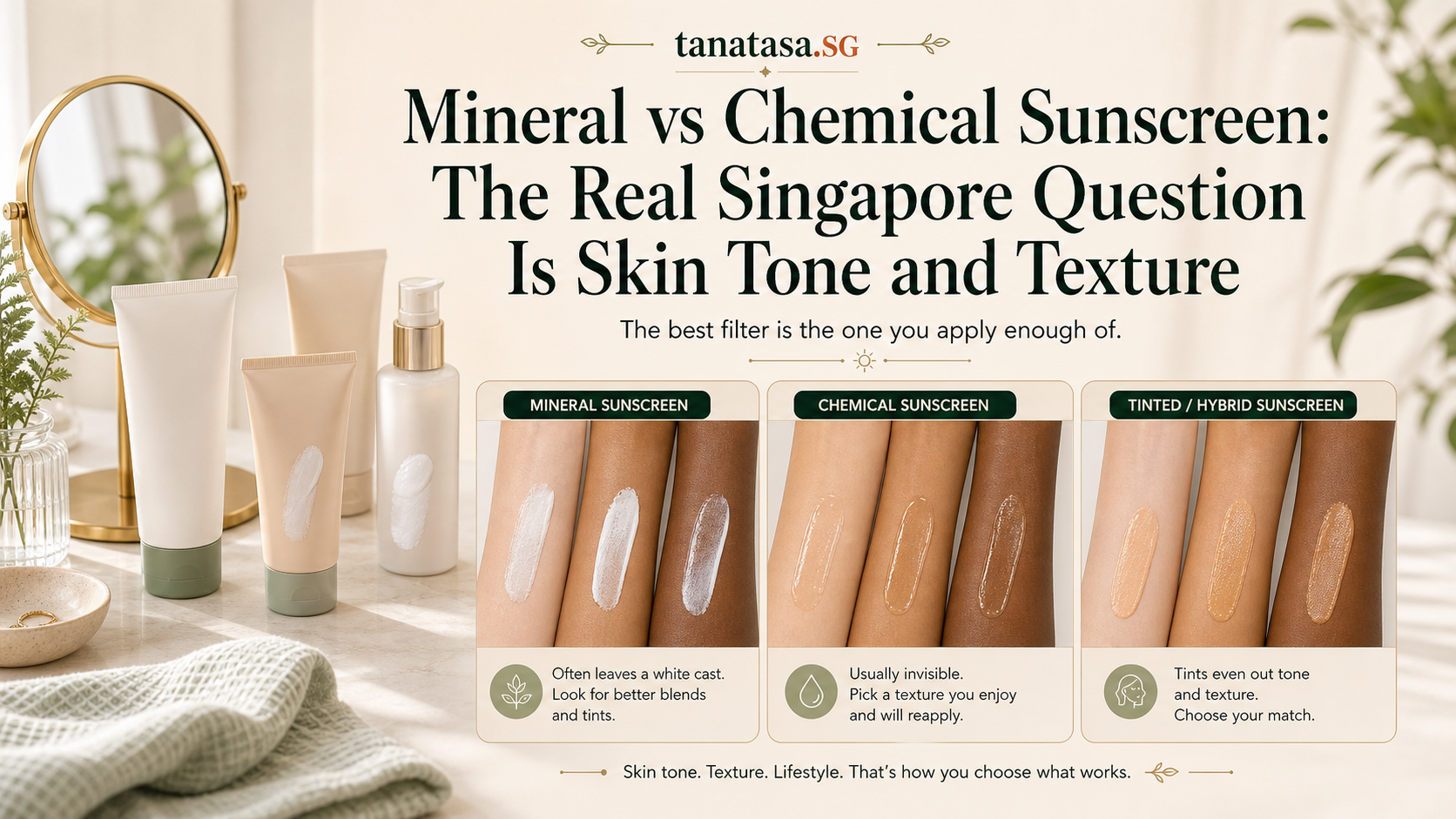
Mineral Sunscreen Without a White Cast: A Guide for Fair and Light Skin
Fair skin hides a white cast better than most, yet mineral sunscreen can still look chalky, grey or pasty. Why it happens, how to choose a formula and how to apply it so it disappears.
If you have fair or light skin, you have probably been told that white cast is not really your problem. Mineral sunscreens, made with zinc oxide and titanium dioxide, are more visible on deeper skin tones. That is true. But plenty of fair-skinned people still find mineral formulas look chalky, slightly grey, or give a flat, "mask-like" finish that shows up in photos and under office lighting.
This guide is for you. It explains why white cast still happens on light skin, which formats tend to blend best, when a tinted mineral sunscreen helps, and the application habits that make the biggest difference. For the wider question of mineral versus chemical filters, see mineral vs chemical sunscreen in Singapore. If you have a deeper skin tone, our guide on sunscreen for deeper skin tones is the better read.
Why mineral sunscreen can look white on fair skin
Zinc oxide and titanium dioxide are white powders. They protect partly by scattering light, and that same property is what makes them visible. On fair skin, the cast often shows up differently than you might expect:
A grey or lilac sheen, especially on skin with pink or olive undertones
Chalky patches around the nose, brows and hairline, where product collects
A flat, matte look that makes skin seem paler and less "alive"
Flashback in photos, where flash photography bounces off the particles
Finer particle sizes, better dispersion and tinted formulas all reduce this. That is why two mineral sunscreens with the same SPF can look completely different on your skin.
Why fair skin may still prefer mineral filters
People with fair or light skin often burn faster, and many also have sensitive or reactive skin. Mineral filters are a common choice for skin that stings with some chemical filters, and many people find them gentler around the eyes. So it is worth finding one that looks good rather than giving up.
Formats that blend best
Fluids and lightweight lotions
Thinner formulas usually spread more evenly, which means fewer white patches. Avene Mineral Fluid SPF50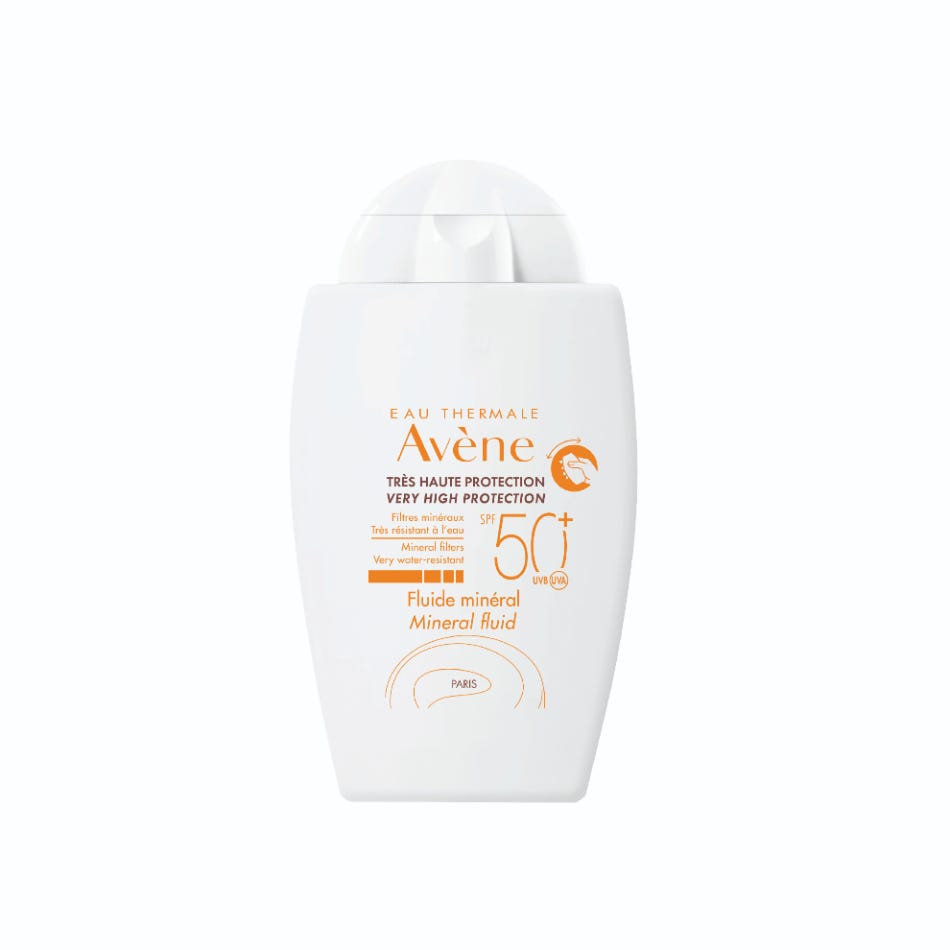 AveneAvene Mineral Fluid SPF50 40mlAvene Mineral Fluid SPF50, 40ml.S$60.39 is a mineral fluid from a brand focused on sensitive skin. Skin Aqua Physical Sunscreen SPF50+ PA++++
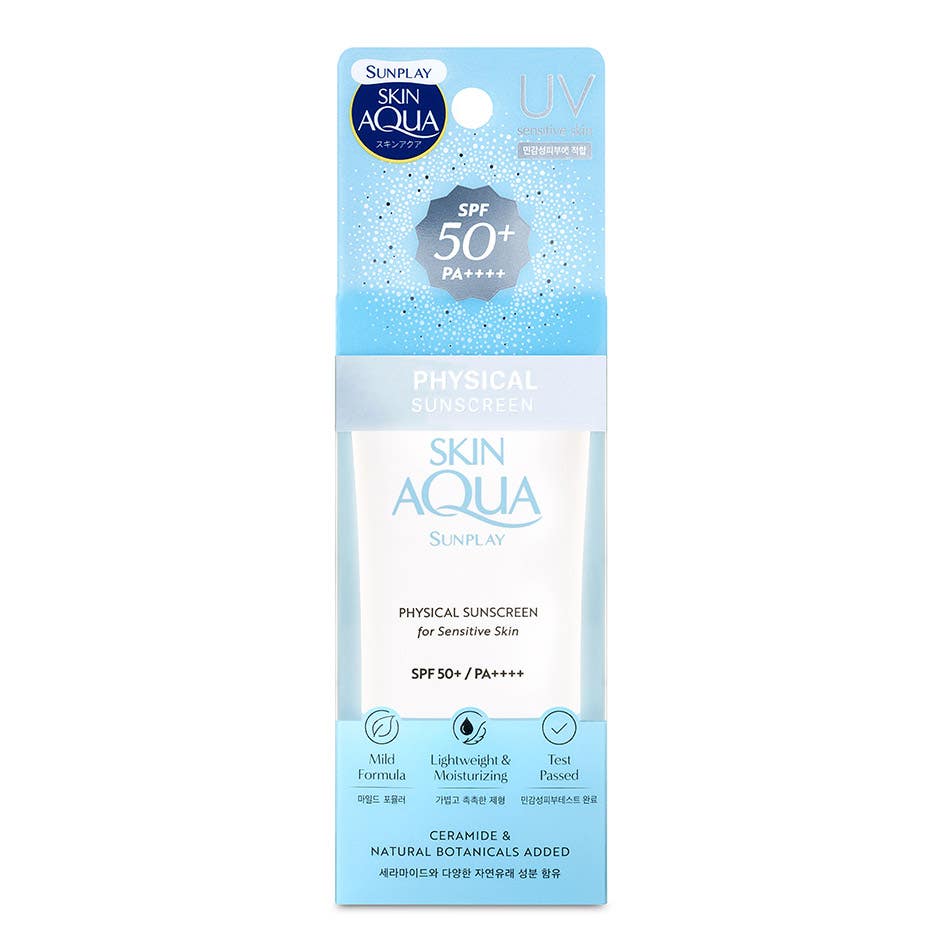 Skin AquaSkin Aqua Physical Sunscreen SPF50+/PA++++ 50ml100% physical sunscreen with SPF 50+ PA++++ provides broad spectrum UVA and UVB protection for sensitive skin.S$26.35 is a 100% physical sunscreen aimed at sensitive skin, and an easy-to-find option on Singapore shelves.
Gels
Mineral gels are less common but feel lighter in humidity. Shiseido Anessa Mineral UV Sunscreen Mild Gel SPF35 PA+++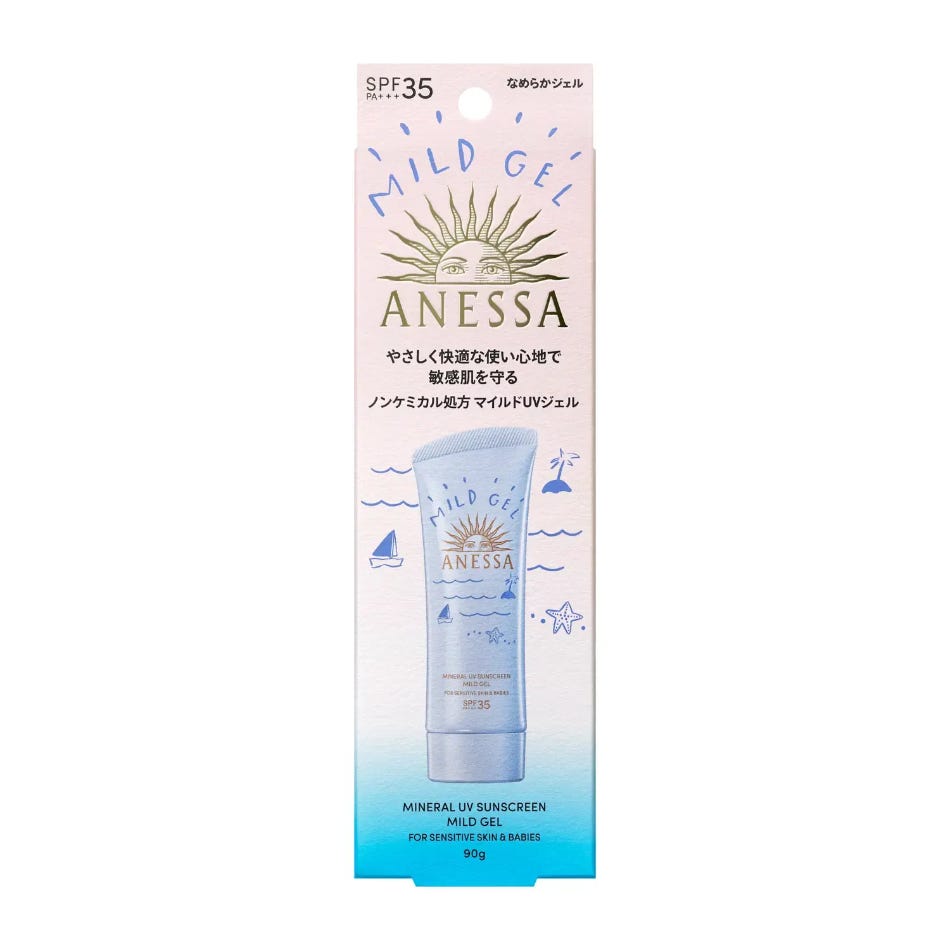 ShiseidoShiseido Anessa Mineral UV Sunscreen Mild Gel SPF35 PA+++ 90gMineral sunscreen gel for the face and body, SPF35 PA+++. S$29.70 works for face and body. Note that its SPF is lower than most of the options here, so it suits shorter outdoor exposure better than a full day out.
Serums and light creams
K-beauty brands have put a lot of effort into wearable mineral textures. AXIS-Y Complete No-Stress Physical Sunscreen SPF 50+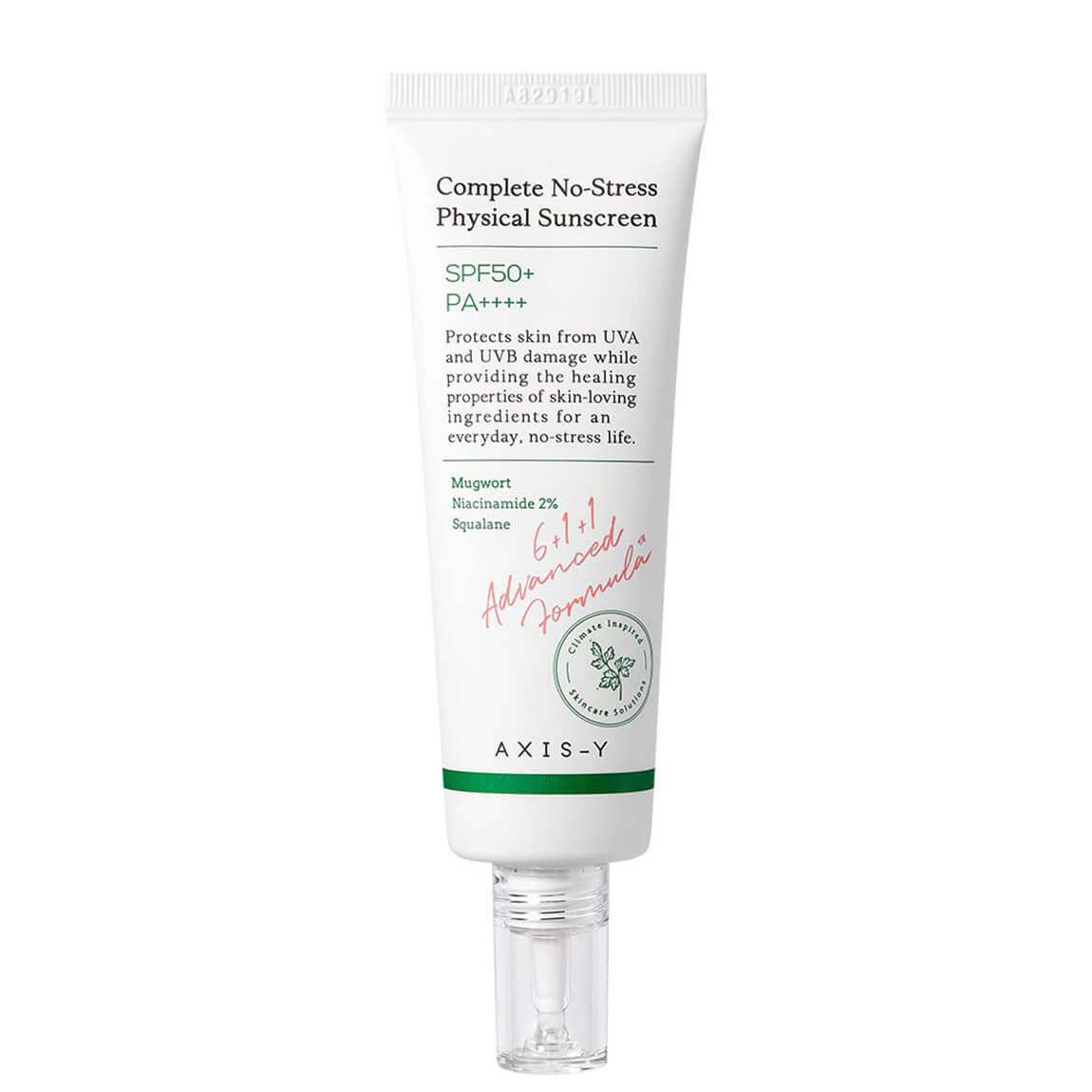 AXIS-YAXIS-Y Complete No-Stress Physical Sunscreen SPF 50+ 50mlAXIS-Y Complete No-Stress Physical Sunscreen SPF 50+: A conscious choice for your skin and the planet — safe for all skin types and everyday use.S$27.43 and CLERA CERA Daily Defense Physical Sunscreen Serum
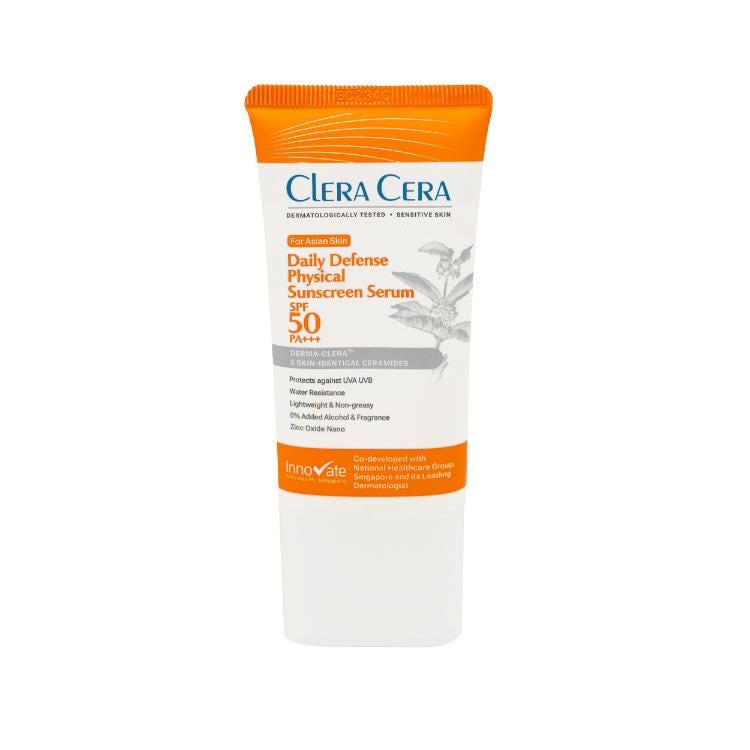 Clera CeraCLERA CERA Daily Defense Physical Sunscreen Serum SPF50/PA+++ 50 gCLERA CERA Daily Defense Physical Sunscreen Serum SPF50/PA+++ 50 g, one retail pack.S$30.36 are both physical sunscreens in lighter, everyday textures.
When a tinted mineral sunscreen is the answer
Adding a little pigment is the most reliable way to cancel out a white cast. Iron oxides, the pigments used in tinted sunscreens, also help with visible light, which matters for people prone to pigmentation.
For fair skin, the main thing is choosing a tint that is light enough. Too dark or too warm, and you swap a white cast for an orange jawline.
Uriage Bariésun Fair Tinted Cream SPF 50+
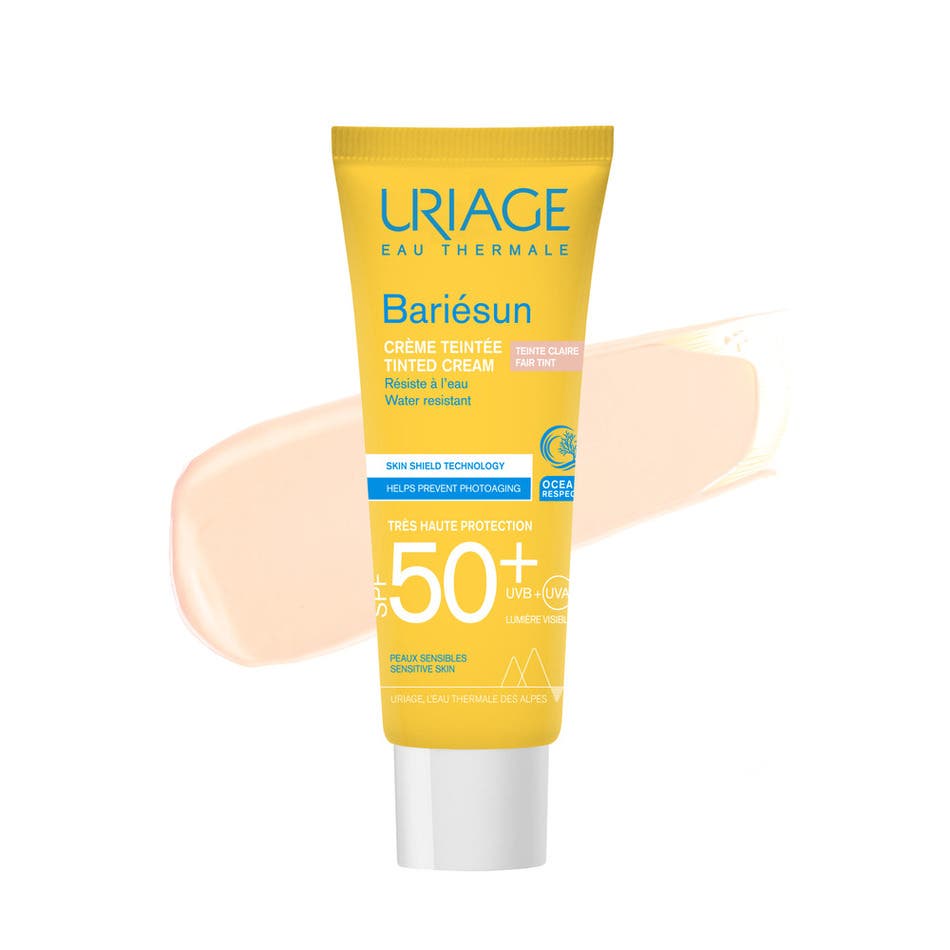 UriageUriage Bariésun Fair Tinted Cream SPF 50+ 50 mLFair-tinted Uriage Bariésun facial sunscreen cream, SPF 50+, in a 50 mL tube.S$45.43 is designed specifically for fair skin, so the shade is a good starting point.
Lovali Hamonee Sheer Mineral Tinted Sunscreen SPF50 PA++++
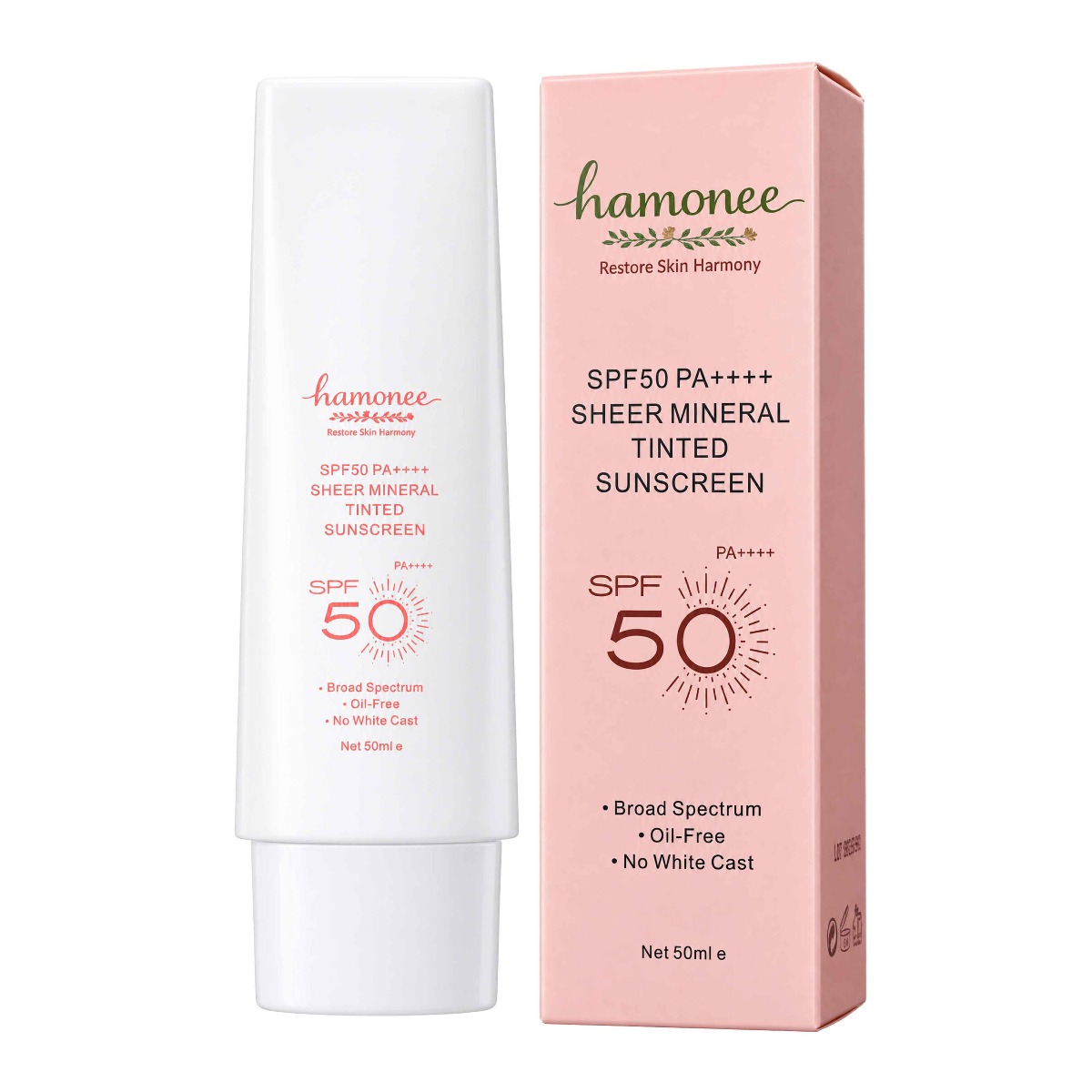 LovaliLovali Hamonee Sheer Mineral Tinted Sunscreen SPF50 PA++++, 50mlLovali Hamonee Sheer Mineral Tinted Sunscreen SPF50 PA++++: Hamonee sheer mineral tinted sunscreen, 50ml.S$21.49 is a sheer tinted option.
Test any tint along the jawline in daylight rather than under shop lights or your bathroom bulb. Our guide on tinted sunscreen explains what tints can and cannot do.
Application tips that cut the cast
The way you apply matters as much as the formula.
Moisturise first, then wait. Mineral sunscreen grabs onto dry patches. A light moisturiser gives a smoother base.
Shake or mix well. Some mineral formulas separate.
Apply in sections. Dot product on the forehead, each cheek, nose and chin, then spread one area at a time instead of smearing a big blob.
Press, do not rub. Once spread, press with your palms for a few seconds. Rubbing in circles can lift product and leave streaks.
Give it a few minutes. Many mineral sunscreens look whiter on application and settle as they set.
Watch the edges. Blend into the hairline, brows and the sides of the nose, where cast tends to collect.
Use the full amount, about two finger-lengths for face and neck. Applying too little to avoid white cast leaves you with less protection than the label says.
Wearing mineral sunscreen under makeup
Mineral sunscreens can be drier and grippier than chemical ones, which some people find helps foundation stay put. If yours pills, apply thinner layers and wait longer between steps. Our guide on sunscreen under makeup covers the common fixes. A light-coverage foundation or skin tint over a mineral sunscreen also cancels residual cast.
Removing it properly
Mineral sunscreens, especially water-resistant ones, can cling to skin. A gentle first cleanse with micellar water or a cleansing oil, followed by your usual cleanser, removes them without scrubbing. See how to remove water-resistant sunscreen.
A note on sun sensitivity
If you burn very easily, notice new or changing moles, or have a spot that bleeds or does not heal, have it checked by a doctor. Fair skin has a higher risk of sun damage, and early checks are simple.
Bottom line
Fair skin can still get a white cast from mineral sunscreen, usually as a grey sheen or chalky patches. Choose fluid, gel or serum textures, consider a tint made for light skin, apply in sections and press it in, and give it a few minutes to settle. You do not have to choose between gentle filters and looking like yourself.