Why Your Makeup Separates on Dry Skin, and Why Foundation Sits Better Some Days
Same foundation, same face, completely different result from one day to the next. Here is why makeup breaks up on dry skin, and the everyday factors that make your base behave on good days.
On Monday your foundation looks like skin. On Wednesday, same bottle, same brush, it clings to dry patches around your nose and breaks into little islands on your cheeks by lunchtime. Nothing in your makeup bag changed, so what did?
When skin is on the dry side, foundation is very sensitive to small changes in the surface underneath it. Hydration, flakes, oil, the products you layered and even last night's sleep all show up in how the base sits.
We have already covered the skincare prep mistakes that make base patchy, such as layering too many products or applying makeup before sunscreen has set. This piece looks specifically at dry skin, and at why the same routine gives different results on different days.
What "separating" looks like on dry skin
On oily skin, separation usually means foundation sliding off the nose and chin as oil comes through. On dry skin it looks different:
Cracking or settling into fine lines around the eyes and mouth
Clinging to rough, flaky patches, so those spots look darker or textured
Patchy islands where the foundation has broken up because the skin underneath has pulled moisture out of it
A tight, cakey look by mid-afternoon in air-conditioned rooms
The root cause is usually the same: the surface of the skin is uneven in texture and in moisture, and foundation magnifies that.
Why foundation sits better on some days
1. Your skin's water level changes daily
Skin hydration is not fixed. A late night, a long flight, a day in a cold office or an evening in a dry hotel room can all leave the outer layer thirstier the next morning. Dehydrated skin tends to absorb moisture out of liquid foundation, which leaves the pigment sitting unevenly on top.
2. Flakes come and go
Dry patches build up for a few days and then shed. If you use retinoids or exfoliating acids at night, the morning after can bring fine flaking that you cannot see until foundation catches on it. Notice whether your "bad base days" follow your active nights.
3. Oil levels shift too
Even dry skin produces some oil, and hormones change how much. On days with a little more natural oil, foundation blends more easily and looks more skin-like. On very dry days, there is nothing to help it melt in.
4. The weather outside and the air inside
Singapore is humid outdoors, but you may spend most of the day in strong air-conditioning. That swing is hard on dry skin: you sweat a little on the walk to the MRT, then the office air dries everything out. On rainy, humid days, foundation often looks better than on days you spend entirely indoors.
5. How long you waited between layers
Rushed mornings matter. Moisturiser that has not settled can make foundation slide and separate. Moisturiser that has been on too long under an air-con vent may have already dried down. The sweet spot is usually a few minutes.
A dry-skin base routine that is more consistent
You do not need more products. You need the right ones in the right order.
Hydrate in thin layers
A watery hydrating lotion pressed into slightly damp skin gives you a smoother starting point than one thick cream. Hada Labo Hydrating Lotion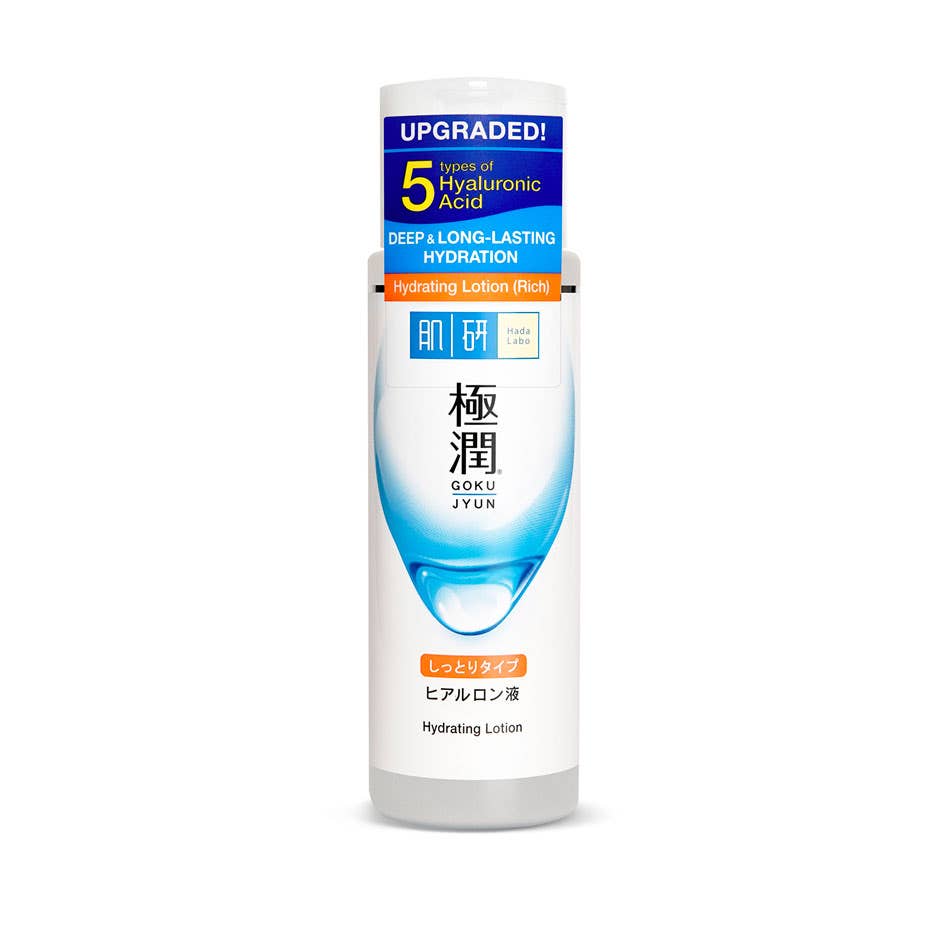 Hada-LaboHada Labo Hydrating Lotion 170ml• Helps to improve balance
• Light texture and low irritation
• Suitable for normal, combination or oily skin
• Skin pH balanced
• Free of fragrances, mineral oil, alcohol and colorant
• Combines 4 types of Hyaluronic Acid to deeply hydrate skin and help preserve its optimum moisture balanceS$19.60 is a well-known Japanese hydrating lotion that can be patted in once or twice. If you prefer a serum step, Cetaphil Optimal Hydration
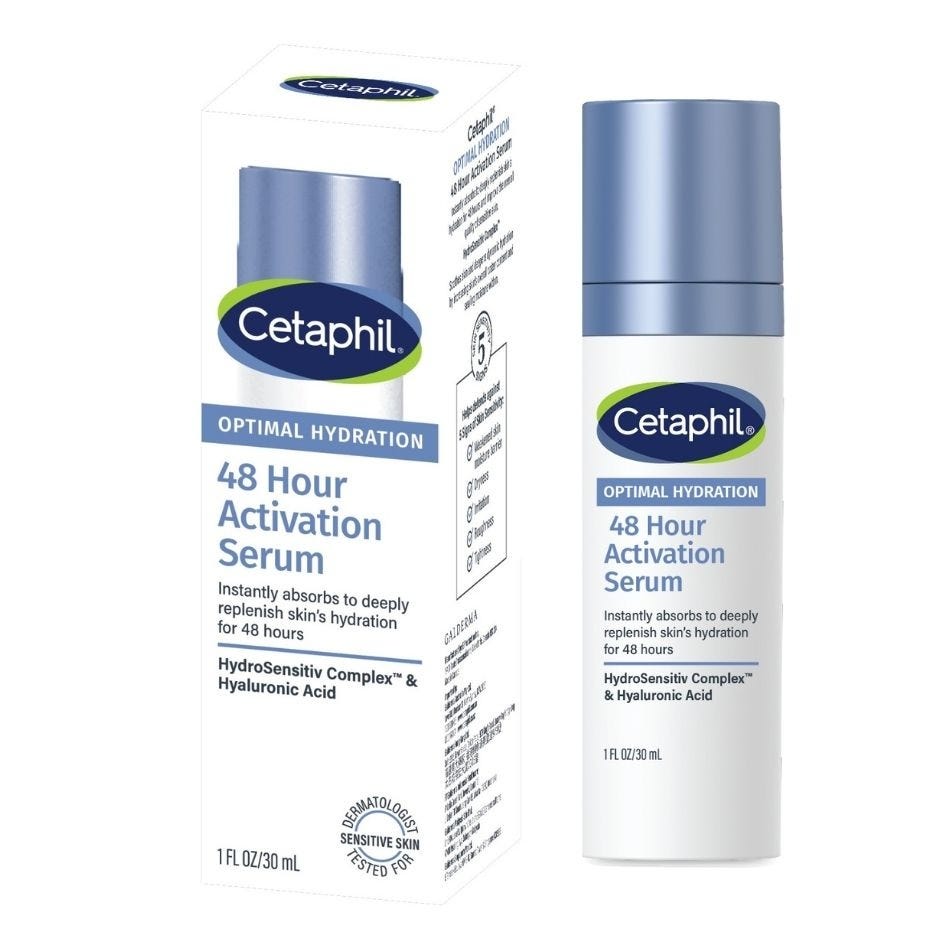 CetaphilCetaphil Optimal Hydration 48h Serum - 30mlCetaphil Optimal Hydration 48h Serum 30ml is a hydrating facial serum for dry or dehydrated sensitive skin routines.S$29.19 is a lightweight hydrating range that layers easily.
Seal it in with a cream that suits makeup
Follow with a moisturiser that feels comfortable rather than greasy. Laneige Water Bank Blue Hyaluronic Moisture Cream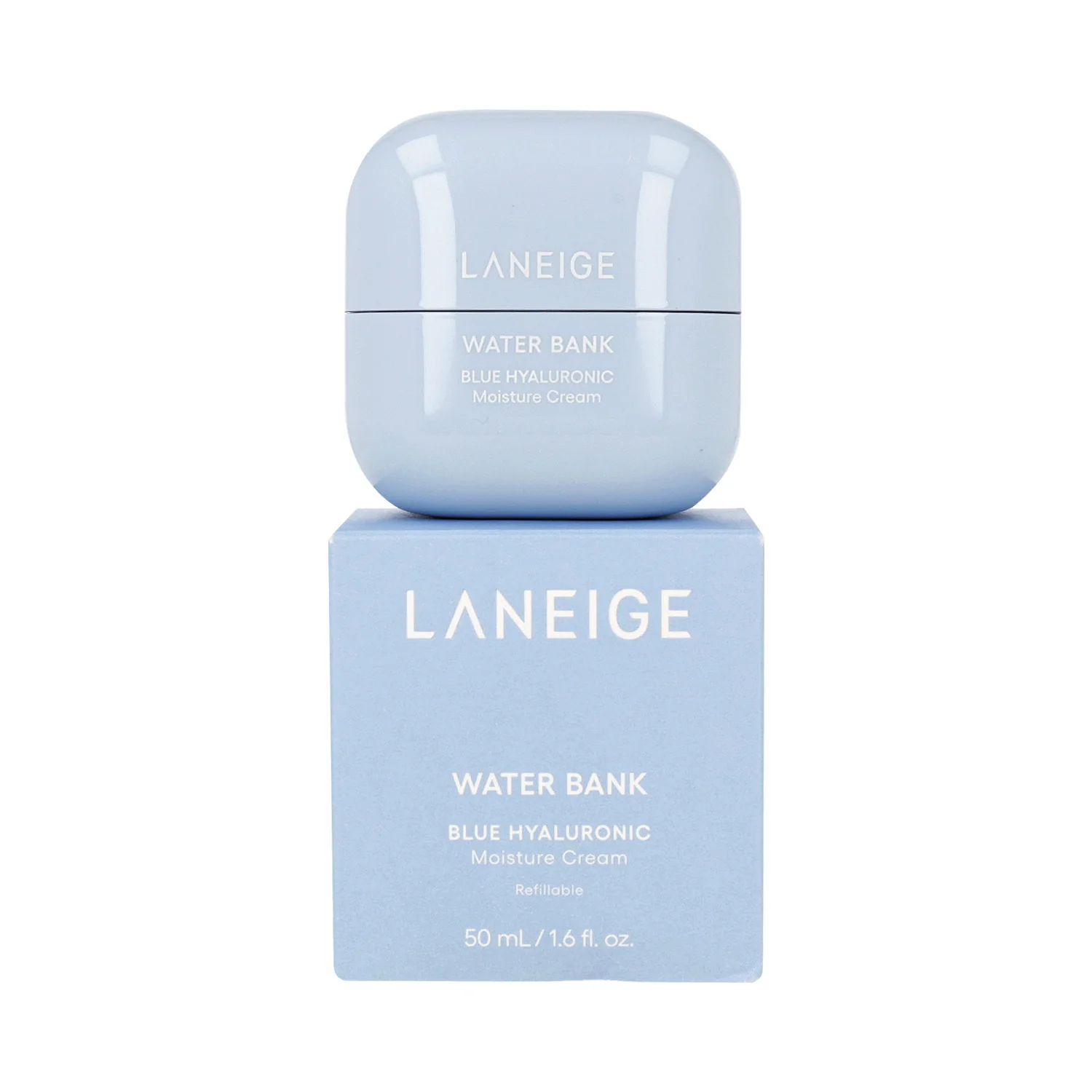 LaneigeLaneige Water Bank Blue Hyaluronic Moisture Cream 50mlSkin Type: Combination, Dry, Normal, Oily, Sensitive Skin Concerns: Dryness, Dullness, Firmness & Elasticity Formulation: CreamS$47.12 is a cream texture designed for dry and normal skin and generally sits well under makeup. Use a little less on the T-zone and a little more on the drier cheeks.
Then sunscreen, and let it set
Apply your usual sunscreen and give it a few minutes. If foundation is pilling or balling, the clash is often between sunscreen and moisturiser, not your foundation.
Choose a base that brings moisture with it
Very matte, long-wear foundations are formulated to grip oil. On dry skin they can grip flakes instead. A primer with skincare-like ingredients, such as Esprique Lasting Serum Base SPF50+ PA++++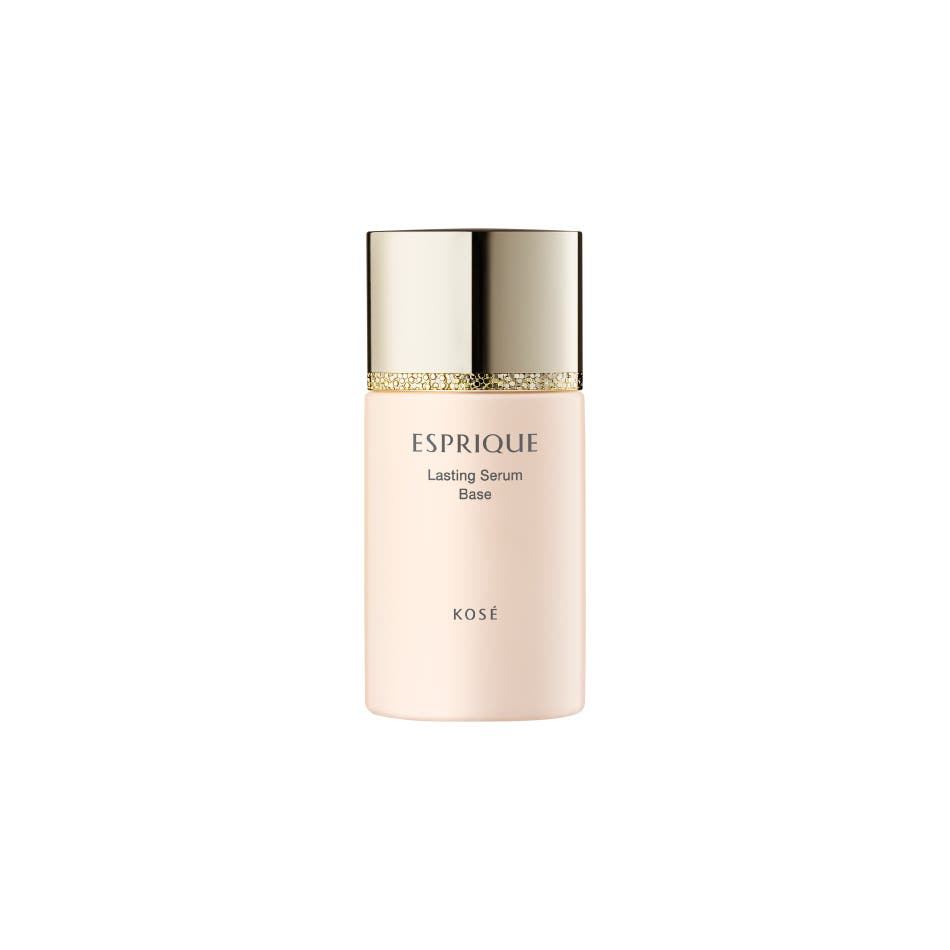 EspriqueEsprique Lasting Serum Base SPF50+ PA++++ 001 Pink BeigeTinted serum makeup primer with ceramide and squalane.S$31.68, a tinted serum primer with ceramide and squalane, gives the base something smooth to sit on.
For the foundation itself, a serum or fluid texture is usually easier on dry skin than a matte one. L'Oréal Paris Infallible 24H Tinted Serum Foundation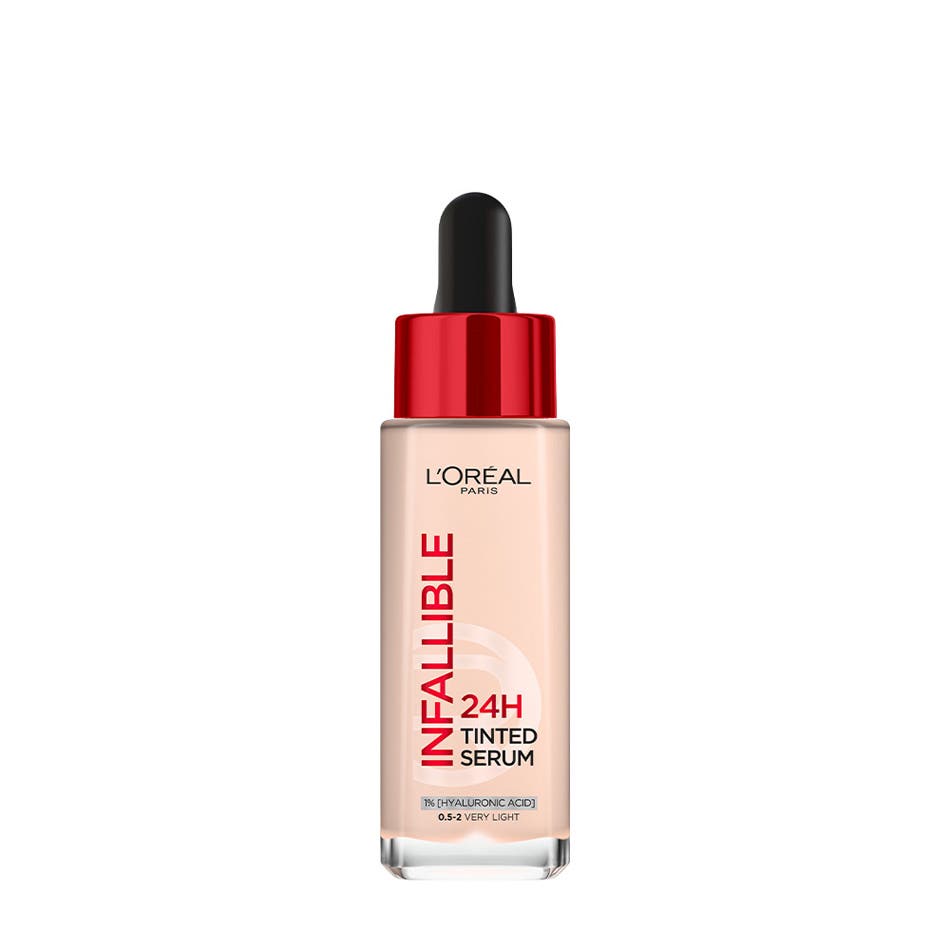 L'Oréal ParisL'Oréal Paris Infallible 24H Tinted Serum Foundation 0.5–2 Very Light 30mlL'Oréal Paris Infallible 24H Tinted Serum Foundation — 0.5–2 Very Light, 30ml.S$28.22 is one example of this lighter, more flexible format. Check the shade carefully before you buy.
Apply less, then build only where needed
Thin layers move with your face; thick layers crack. Use a damp sponge or your fingers to press, not drag, foundation over dry areas. Concentrate coverage on the centre of the face and blend outwards.
Skip heavy powder, and use a mist instead
Powder on dry skin can soak up what little moisture is there. Set only where you crease, such as under the eyes, and use a light hand. A fine setting spray like M.A.C Fix+ Alcohol Free Setting Spray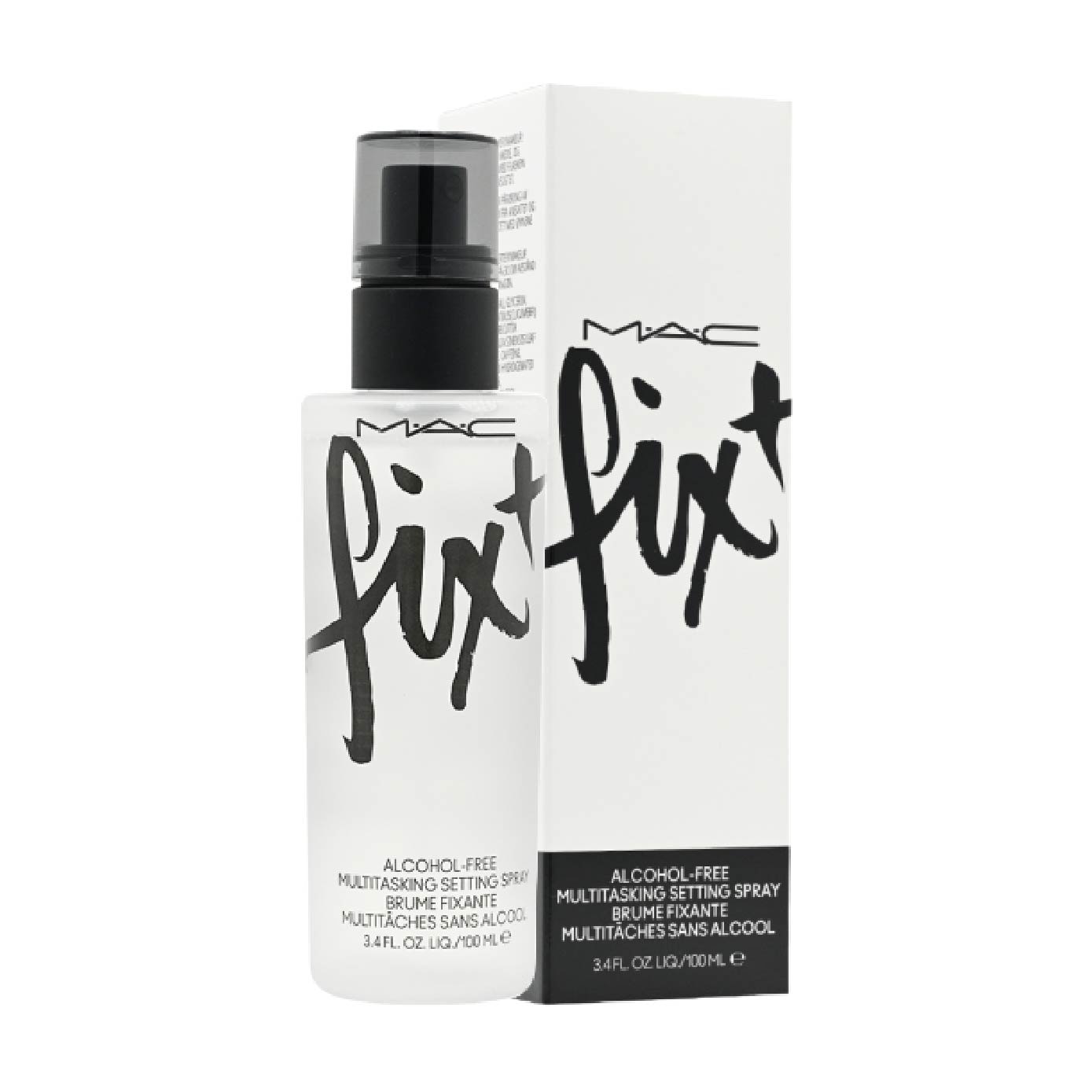 M.A.CM.A.C Fix+ Alcohol Free Setting Spray 100ml100ml alcohol-free setting spray in the Fix+ line.S$61.20 can help everything look less powdery and more like skin. A quick mist in the afternoon can revive a base that has gone tight.
Common mistakes on dry skin
Scrubbing flakes off the same morning. It makes the area red and sensitive, and foundation looks worse. Exfoliate gently on a night when you are not wearing makeup the next day.
Using a mattifying primer because the bottle promises long wear. On dry skin, long wear and comfort often pull in opposite directions.
Patting more foundation onto a patch that has separated. Lift the patch off with a damp sponge, add a dab of moisturiser, let it settle, and then blend a small amount back in.
Ignoring the pattern. If bad days always follow retinol nights, move retinol to the nights before your makeup-free days.
When dry patches are more than dry skin
If the patches are red, itchy, scaly, or keep coming back in the same places (around the nose, eyebrows or mouth), it may be dermatitis rather than simple dryness. That is worth having a doctor look at, as no foundation will sit well over an untreated rash.
Bottom line
Foundation separating on dry skin is usually a skin-surface problem, not a makeup problem. Your base looks better on days when your skin is well hydrated, flake-free and given a few minutes between layers. Hydrate in thin layers, choose a moisture-friendly primer and foundation, apply less, and watch for the patterns behind your bad base days.


