Why Your Essence or Toner Stings, and What to Replace It With
A watery essence should feel like nothing at all. If yours stings, the cause is usually an ingredient, your skin's current state, or both. How to work out which, and gentler swaps to try.
Toners and essences are supposed to be the easy part of a routine: a thin, watery layer that adds a bit of hydration before your moisturiser. So when one stings, it is confusing. Is the product bad, is your skin sensitive, or is something else going on?
Usually it is one of two things. Either the essence contains an ingredient that commonly stings, or your skin barrier is a bit worn down right now, so even mild products feel sharp. Often it is a mix of both.
We have a separate guide on why your moisturiser stings, which covers the barrier side in depth. This piece focuses on toners and essences: what in them tends to sting, how to check, and what to use instead.
Ingredients that commonly cause stinging
Look at the ingredient list for these. One of them near the top is a likely suspect.
Exfoliating acids. Glycolic, lactic, mandelic, salicylic and gluconolactone (a PHA) all appear in toners, sometimes under names like "clarifying", "resurfacing" or "glow". Many people use these without realising they are acids.
Alcohol denat. Common in toners for oily skin because it feels fresh and evaporates fast. On dry or irritated skin, it can sting.
Fragrance and essential oils. Including "natural" ones such as citrus, peppermint, lavender and rose oil.
Witch hazel. Popular in pore toners; some formulas also contain alcohol.
High-strength actives. Essences with a lot of niacinamide or vitamin C can tingle on reactive skin.
Menthol or "cooling" agents. A cooling feeling is pleasant in the heat, but it can mask or add to irritation.
How to tell if it is the product or your skin
Try this simple check.
Did it always sting, or only recently? If a product you have used for months suddenly stings, your skin has probably changed, not the product. Think about what else changed: a new retinoid, more exfoliation, sunburn, a long day outdoors, or more time in air-con.
Does your plain moisturiser sting too? If everything stings, your barrier needs a break. Strip back to cleanser, moisturiser and sunscreen for a week or two.
Does it sting only in certain areas? Stinging around the nose and mouth is common when skin is irritated or chapped there.
Does the sting fade within a minute? A brief tingle from an acid toner is common. Stinging that lasts, or redness and itch that follow, mean stop.
If stinging comes with swelling, hives or a spreading rash, stop the product and see a doctor or pharmacist. That may be an allergy rather than simple irritation.
What to replace it with
The safest replacement is the most boring one: a hydrating toner or essence with no acids, no fragrance and no alcohol near the top of the list. Its job is simply to add water and humectants such as glycerin or hyaluronic acid.
Avène Tolerance Toner
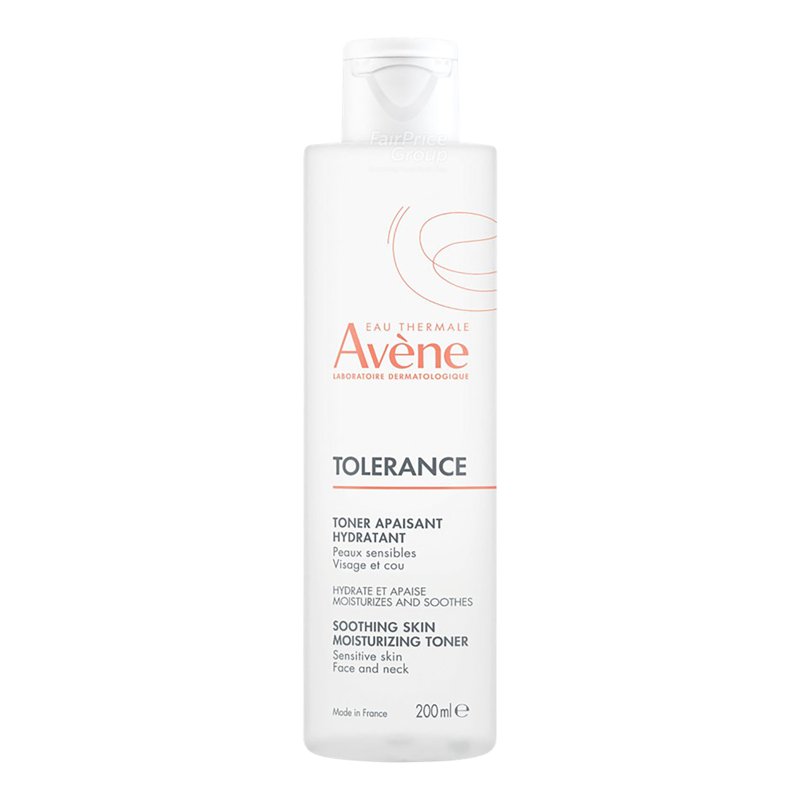 AveneAvene Tolerance Toner 200mlEnhances Soothing, Promotes Barrier Repair Performances and Deeply Moisturizes ( For sensitive skin )S$45.87 is a soothing toner designed for sensitive skin.
Hada Labo Hydrating Lotion
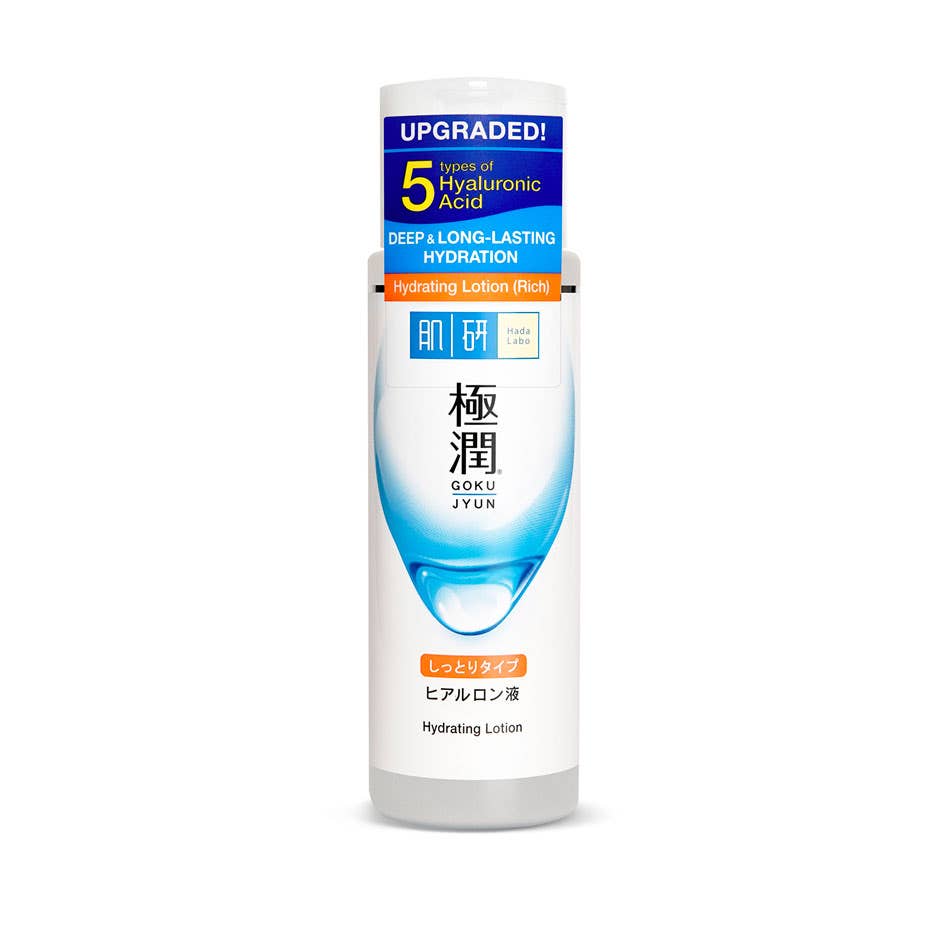 Hada-LaboHada Labo Hydrating Lotion 170ml• Helps to improve balance
• Light texture and low irritation
• Suitable for normal, combination or oily skin
• Skin pH balanced
• Free of fragrances, mineral oil, alcohol and colorant
• Combines 4 types of Hyaluronic Acid to deeply hydrate skin and help preserve its optimum moisture balanceS$19.60 is a watery Japanese "lotion", which works like a hydrating toner. It suits people who like to pat in a couple of layers.
The Cetaphil Soothing & Comforting Cica
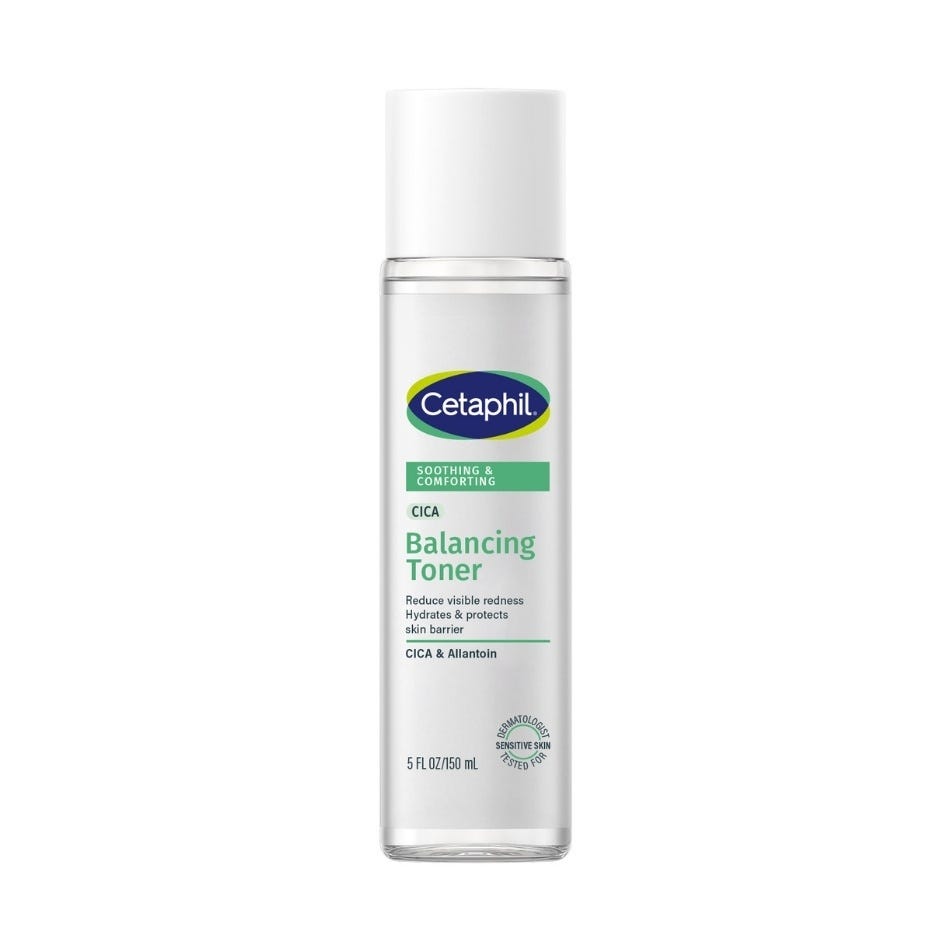 CetaphilCetaphil Soothing & Comforting Cica Balancing Toner - 150mlCetaphil Soothing & Comforting Cica Balancing Toner 150ml is a toner for sensitive or redness-prone routines.S$21.55 range includes a toner made for sensitive skin. Our guide to centella, cica and mugwort explains what these calming ingredients can and cannot do.
La Roche-Posay Thermal Spring Water is the most minimal option: a spray to mist on before moisturiser. Follow it with moisturiser straight away rather than letting it dry on your face.
If you want a little more hydration than a toner gives, a gentle serum can take its place. La Roche-Posay Hyalu B5 Suractivated Serum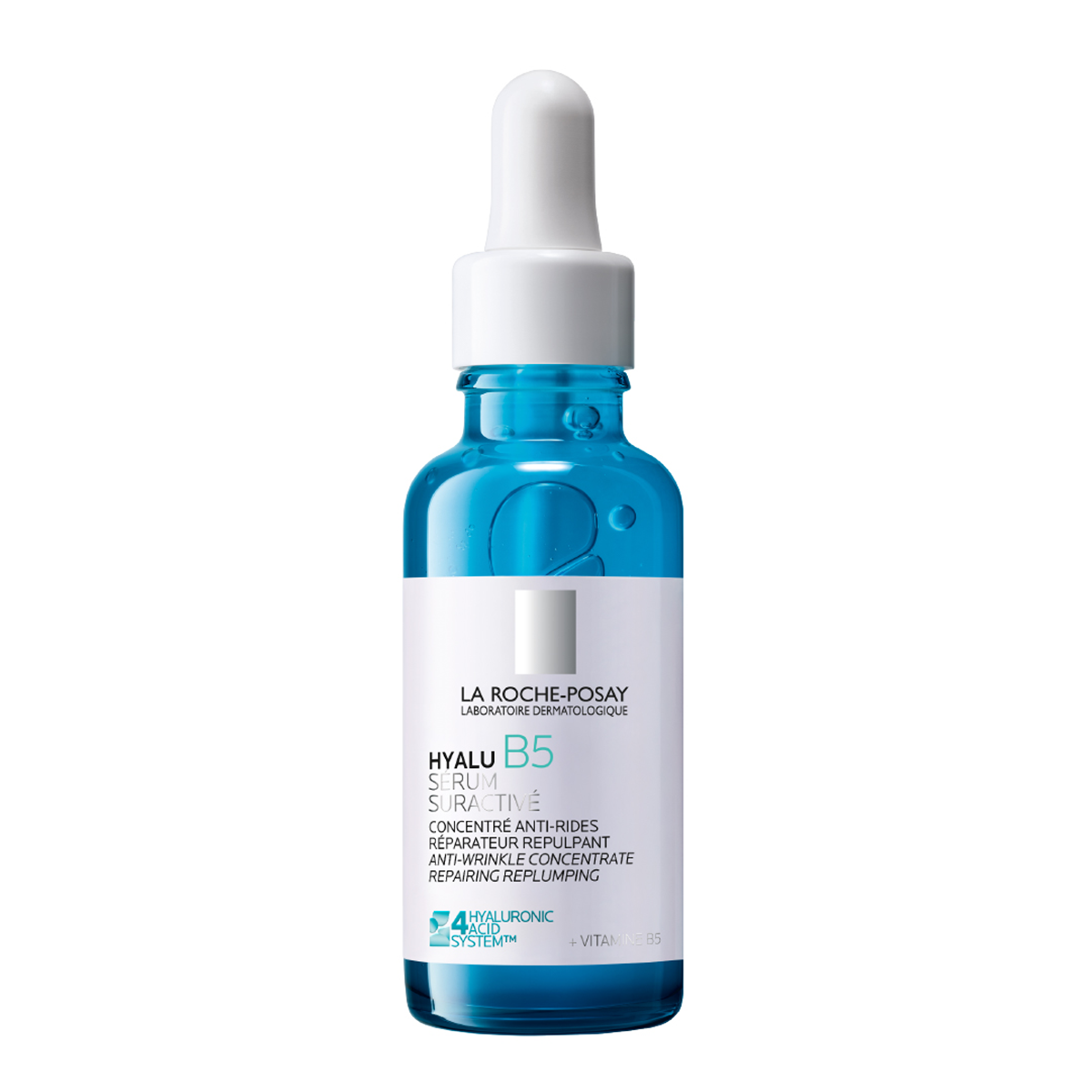 La Roche-PosayLa Roche-Posay Hyalu B5 Suractivated Serum 30 mLHydrating gel serum with a hyaluronic acid complex, panthenol and madecassoside.S$72.49 is a hydrating gel serum with hyaluronic acid and panthenol.
Always patch-test new products on a small area for a few days if your skin has been reacting.
Do you even need a toner?
Not necessarily. Toners and essences are optional. If your skin feels comfortable with just cleanser, moisturiser and sunscreen, you can skip this step entirely, especially while it is recovering. Our guide to toners, essences, ampoules and serums explains when each layer is worth having.
That said, many people in Singapore like a light hydrating layer under a gel moisturiser, because it gives enough moisture without a heavy cream. If that is you, just choose a plain one.
Getting your exfoliating toner back
If the stinging toner was an acid toner you liked, you do not have to give it up for good. Let your skin settle for two to three weeks on a simple routine. Then reintroduce it two nights a week, on nights when you are not using a retinoid, and never on freshly shaved, sunburnt or wind-chapped skin. If it still stings, it may simply be too strong for you.
Bottom line
A stinging essence is usually down to acids, alcohol, fragrance or strong actives, or to a barrier that needs a rest. Check the label, pause the product, strip your routine back for a week or two, and replace it with a plain hydrating toner, a thermal spring water mist or nothing at all. Bring stronger toners back slowly, and only if your skin agrees.

