Centrum for Women vs Other Women's Multivitamins: How to Compare Them Properly
Centrum, Swisse, Blackmores and other women's multivitamins look alike on the shelf. A step-by-step way to compare labels, doses, formats and cost per day, so you pick the one that fits you.
Stand in front of the women's multivitamin shelf, or scroll the online version, and the boxes start to blur. Centrum for Women, Swisse Women's Ultivite, Blackmores Women's Multivitamins, and a dozen others all promise to support energy, immunity and wellbeing. They all look reassuringly scientific.
They're not identical, though, and the differences that matter aren't on the front of the box. This guide gives you a simple, repeatable way to compare Centrum for Women with the alternatives, so you can choose on substance rather than packaging.
Step 1: Match the formula to your life stage
Before comparing brands, compare versions. Most brands make at least two women's formulas: a general one and a 50+ one.
General women's formulas such as Centrum For Women
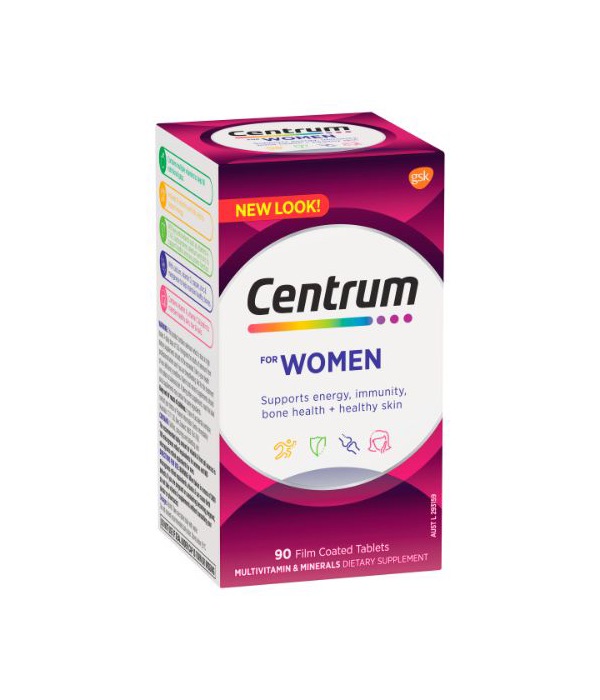 CentrumCentrum For Women Tablets 90sNutritional needs vary for Men & Women.S$43.99 usually include iron for the menstruating years.
50+ formulas such as Centrum For Women 50+
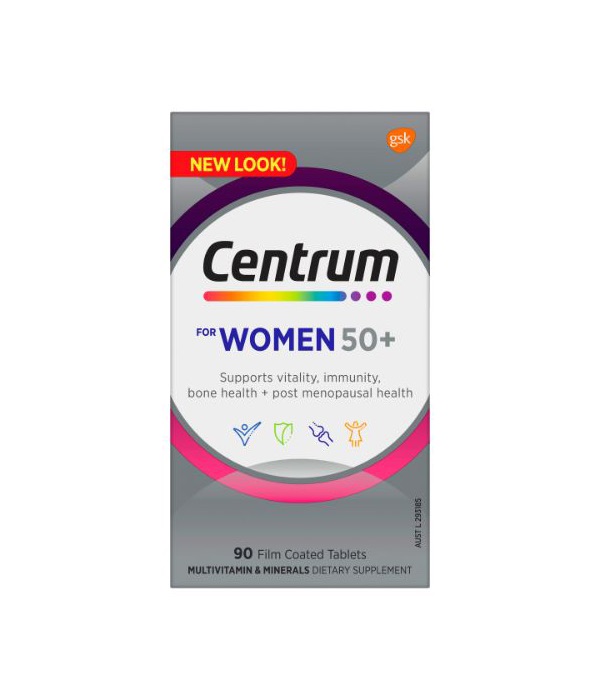 CentrumCentrum For Women 50+ Tablets 90sContains multiple vitamins to help fill nutritional gaps.S$50.89 generally reduce or drop iron and may shift the balance towards nutrients like vitamin D and B12.
Comparing a general formula from one brand with a 50+ formula from another isn't a fair test. Pick your stage first, then compare across brands.
Step 2: Look at the nutrients that matter most
You don't need to analyse all 25 or so ingredients. Focus on the handful that most affect women's needs, and note the amount per daily serving for each:
Iron: relevant if you menstruate; usually unnecessary after menopause unless your doctor says otherwise.
Folic acid (folate): important if you could become pregnant.
Vitamin D: useful if you're indoors most of the day.
Calcium: multivitamins can only fit a small amount, so don't rely on them for your full calcium intake.
Vitamin B12: worth noting if you eat little or no animal food.
Iodine: sometimes included, sometimes not.
Then check how the amounts compare with daily reference values, which most labels show as a percentage. Very high percentages aren't automatically better; the aim is to fill gaps, not to megadose.
For a refresher on reading the facts panel, see how to read a supplement label before you buy.
Step 3: Notice the extras, and whether you want them
This is where brands differ most. Some keep to vitamins and minerals. Others add herbal extracts, antioxidants, probiotics or "beauty" ingredients.
Extras aren't necessarily bad, but they raise questions:
Are they present in a meaningful amount, or is it a sprinkling for the label?
Do any of them interact with medicines you take? Herbal extracts are the usual concern.
Are you paying more for them, and would you choose them separately?
If you prefer a straightforward vitamin-and-mineral formula, favour products with a shorter, cleaner list. If you like the idea of extras, check each one on the label and look up whether it suits you.
Step 4: Check the dose and the format
Read the daily serving carefully. Some multivitamins are one tablet a day, while others ask for two or more to reach the amounts on the label. A product that needs two tablets daily lasts half as long.
Format matters for consistency, which is the whole point:
Standard tablets and caplets such as Swisse Women's Ultivite
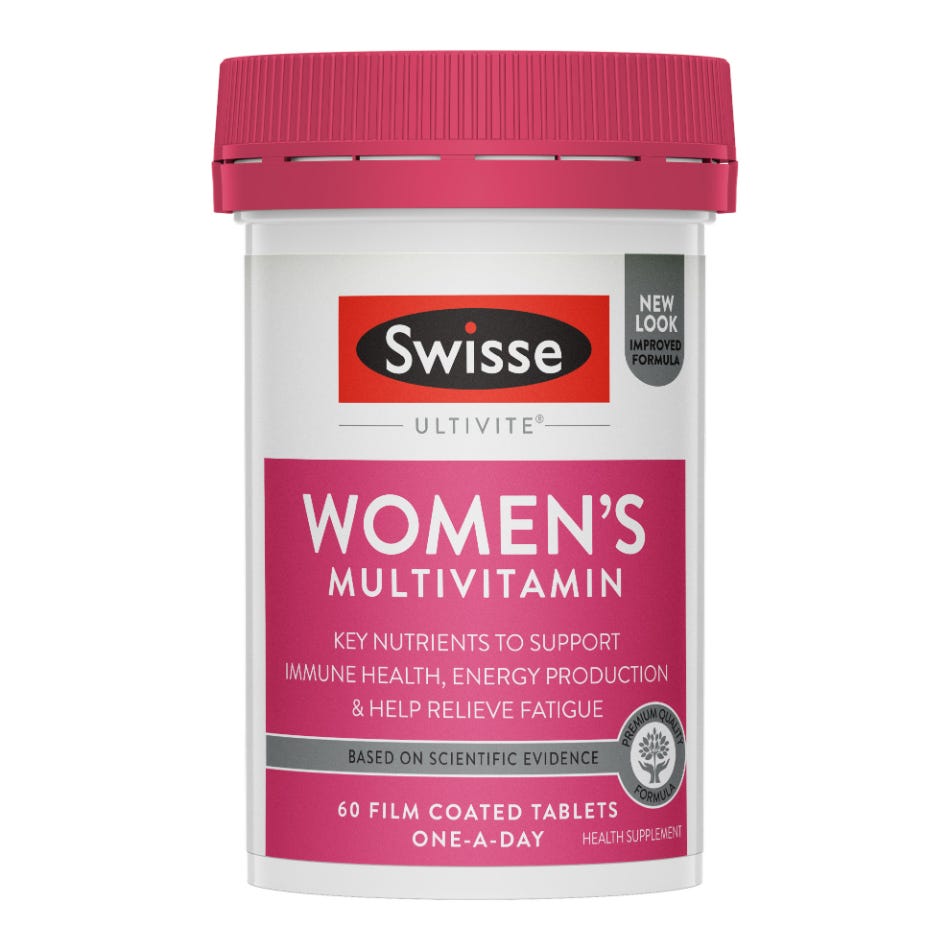 SwisseSwisse Multivitamin Supplement - Women's Ultivite 60 per packSwisse Women’s Ultivite is a comprehensive multivitamin, formulated with over 40 ingredients, including vitamins, minerals, extracts of natural herbs and other nutrients. One tablet to support energy production, stamina and vitality.S$70.47, Blackmores Women's Multivitamins
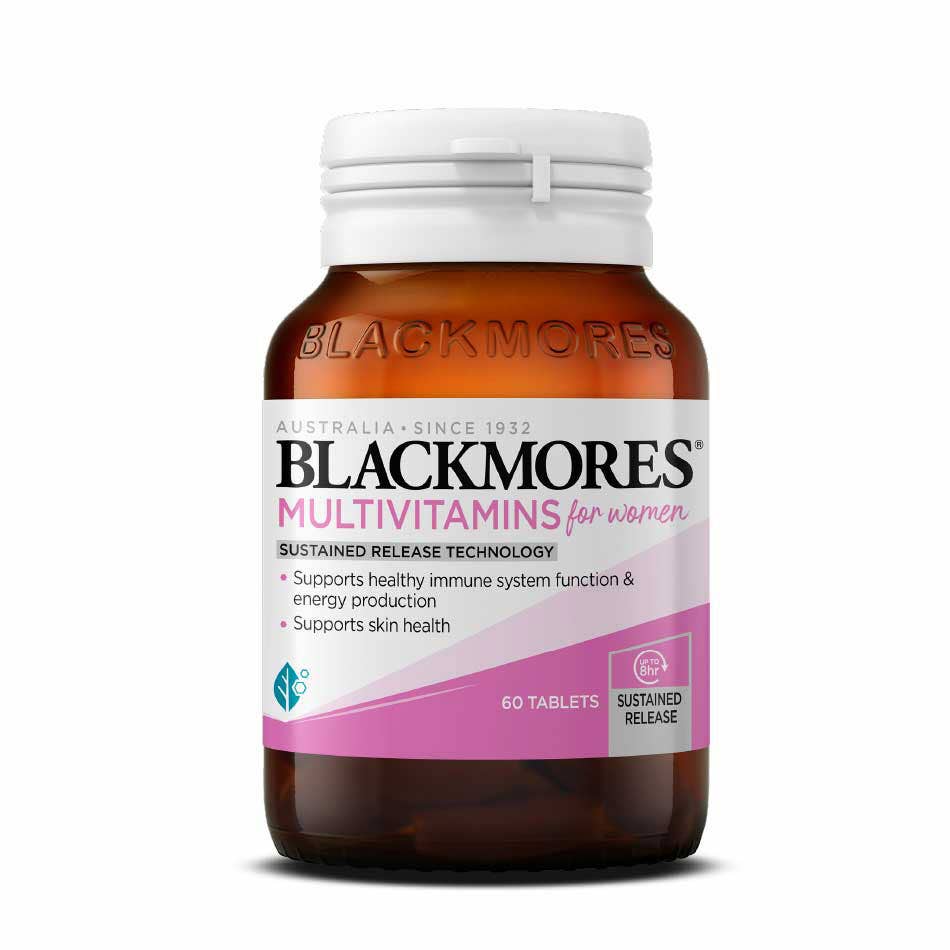 BlackmoresBlackmores Women's Multivitamins 60 TabletsBlackmores Women's Multivitamins, 60pcs.S$38.27, Ocean Health Women's Multivite
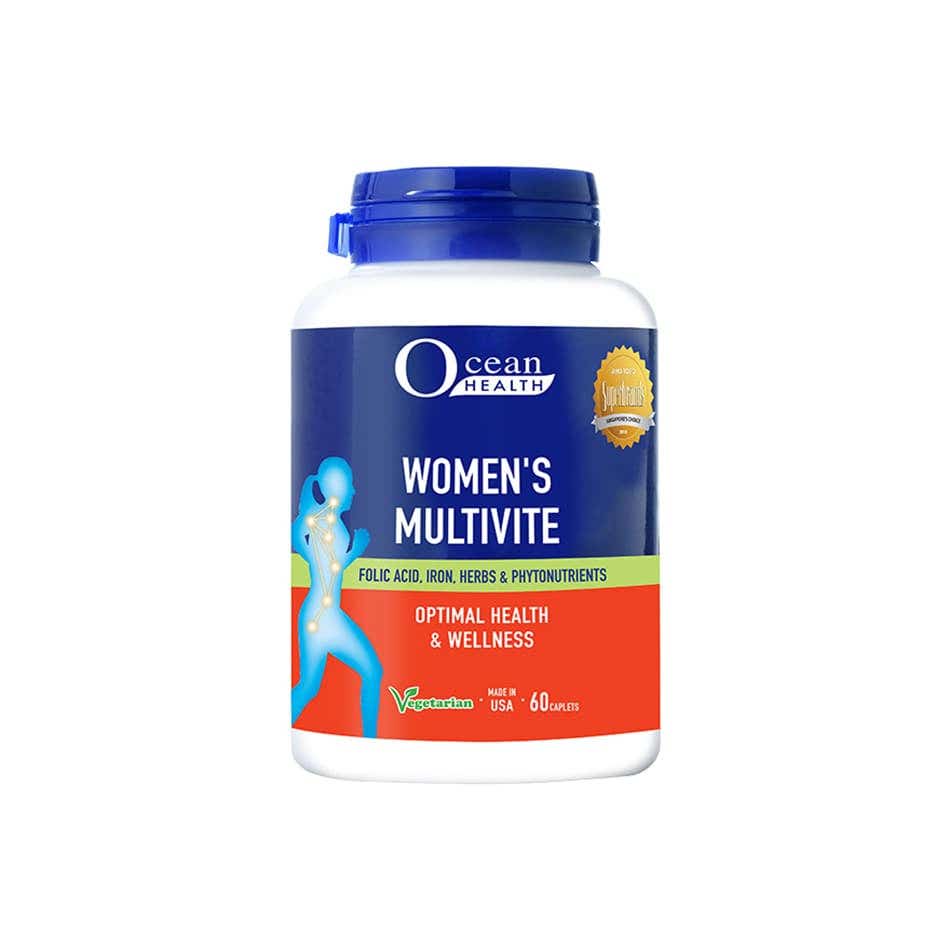 Ocean HealthOcean Health Women's Multivite 60 caplets60 caplets per bottle.S$53.68 and GreenLife Women Vitamax Multivitamins
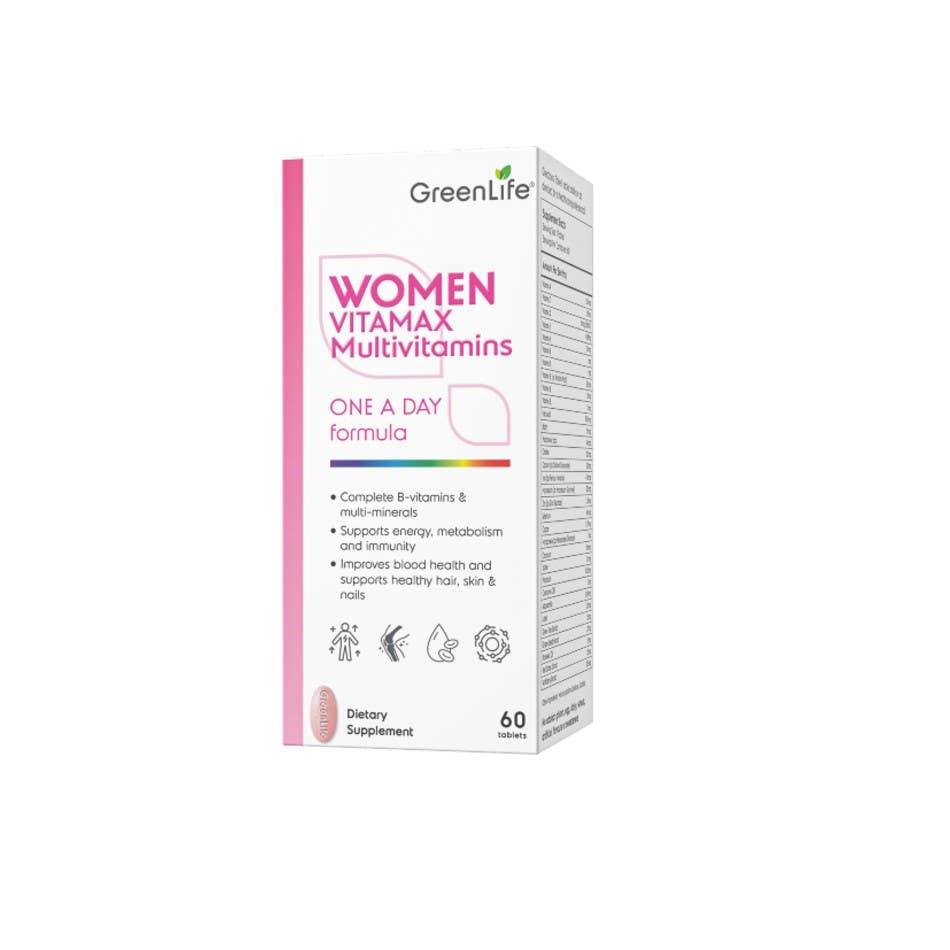 GreenLifeGreenLife Women Vitamax Multivitamins 60tabletsGreenLife Women Vitamax Multivitamins, 60tablets.S$33.90 are usually the most complete per serving and the cheapest per day. Size varies, so if you struggle with large tablets, check the pack or reviews.
Gummies such as Olly Women's Advanced Multi Gummies are easy to take, but gummies typically carry fewer nutrients and many contain little or no iron, plus some sugar. They suit people who would otherwise skip a tablet altogether.
Many people find multivitamins gentler on the stomach when taken with breakfast or lunch. Iron in particular can cause nausea on an empty stomach.
Step 5: Work out the cost per day
Divide the price by the number of days the pack lasts at the label dose. This often reshuffles the ranking. A large pack of a familiar brand can be cheaper per day than a small pack of a budget brand, and a fancy formula with many extras can cost several times more per day than a basic one.
Make sure the expiry date gives you time to finish a large pack, and store it somewhere dry and cool; a humid kitchen shelf shortens a supplement's useful life.
A worked comparison, in plain words
Imagine a 32-year-old woman with regular periods, a busy job and a mixed diet. Using the steps:
She picks general women's formulas, not 50+.
She checks that each option includes iron, folic acid and some vitamin D.
She decides she'd rather avoid herbal extras because she takes other medication, so she leans towards formulas with shorter lists.
She prefers one tablet a day.
She compares cost per day across the remaining two or three options and picks the one that fits her budget.
The result could easily be Centrum for Women, or it could be another brand. The point is that the decision rests on her needs rather than the logo.
When a multivitamin isn't the right tool
A multivitamin is a broad safety net. If a blood test shows a specific deficiency, such as low iron or low vitamin D, your doctor will likely recommend a targeted dose that a multivitamin can't provide. If you're pregnant or trying to conceive, a pregnancy-specific product usually makes more sense. And if you're tired all the time, see a GP rather than switching brands.
FAQ
Is Centrum for Women better than Swisse or Blackmores?
None is better in general. They differ in nutrient amounts, extras, tablet count and price. The right one is the formula that matches your life stage, covers the nutrients you care about, and that you'll actually take every day.
Can men take a women's multivitamin, or the other way round?
It isn't dangerous for most adults, but it isn't ideal. Women's formulas usually contain more iron than most men need, and men's formulas may contain less of the nutrients women of reproductive age need. Choose the version designed for you.
Do I need a women's multivitamin if I eat well?
Possibly not. If your diet is varied and you have no known deficiencies, a multivitamin adds little. It's most useful when meals are irregular, your diet excludes whole food groups, or a doctor has identified a gap.
Should I switch formulas when I turn 50?
Switch based on menopause rather than the exact birthday. Once periods have stopped, a 50+ formula with less iron is usually more appropriate. If you're unsure, ask your pharmacist or GP.
Can I take a women's multivitamin with other supplements?
Yes, but add up the totals. Vitamin A, vitamin D, iron and zinc are the ones most likely to stack up across products. Bring the labels to your pharmacist if you take several.
Bottom line
Centrum for Women is a familiar, sensible choice, but it isn't the only one, and the right pick depends on your life stage, your diet and how you like to take supplements. Compare the key nutrients, decide how you feel about extras, check the daily dose and format, then work out the cost per day. That five-minute check matters more than any brand name.
