Brightening and Tone-Up Sunscreen: What "Whitening" Sunscreen Really Does
Tone-up, brightening and "whitening" sunscreens promise a fairer, more even face. Most of the instant effect is optical; the real long-term benefit is the sun protection. Here is how to choose well.
Brightening sunscreens are some of the most popular face products in Singapore. The labels say tone-up, brightening, glow, and on older or imported packs, "whitening". They promise a lighter, more even-looking face the moment you put them on.
Some of that promise is real and useful. Some is just how the product looks on your skin for the day. This guide separates the two: what tone-up sunscreens actually do, what brightening ingredients add, where the word "whitening" causes confusion, and how to choose one that suits your skin tone.
Three different things sold under one idea
"Brightening sunscreen" usually means one of three things, and often a mix.
1. Optical tone-up
Tone-up sunscreens contain white or coloured pigments, often titanium dioxide, sometimes with a lavender, pink or green tint. These sit on the skin and reflect light, so your face looks lighter and more even straight away. The effect washes off at night.
2. Brightening ingredients
Some sunscreens add skincare ingredients linked to more even tone, such as niacinamide or vitamin C derivatives. These may help a little over weeks of use, but in a sunscreen they are a bonus, not the main event.
3. Better protection against what darkens skin
UV, especially UVA, is one of the main drivers of dark spots, melasma and uneven tone. Visible light also plays a part for some people. A high-protection sunscreen worn every day is the single most effective way to stop marks getting darker. Some newer formulas add filters or ingredients aimed specifically at dark spots.
What "whitening" does and does not mean
You will still see "whitening" on some Asian sunscreens. In cosmetics, it should mean helping to reduce the look of dark spots and uneven tone, not changing your natural skin colour. No sunscreen can or should permanently lighten your skin tone, and products that promise dramatic lightening deserve caution. Our guide on why whitening body products can be confusing or risky explains the wider issue.
A better way to think about it: a good brightening sunscreen helps your skin look like your own skin, just more even.
Tone-up sunscreens: what each tint does
The tint colour is chosen to correct a particular look:
Lavender or purple: counteracts sallowness or yellow tones, giving a brighter look. Biore UV Aqua Rich Tone Up Essence SPF50+ PA++++
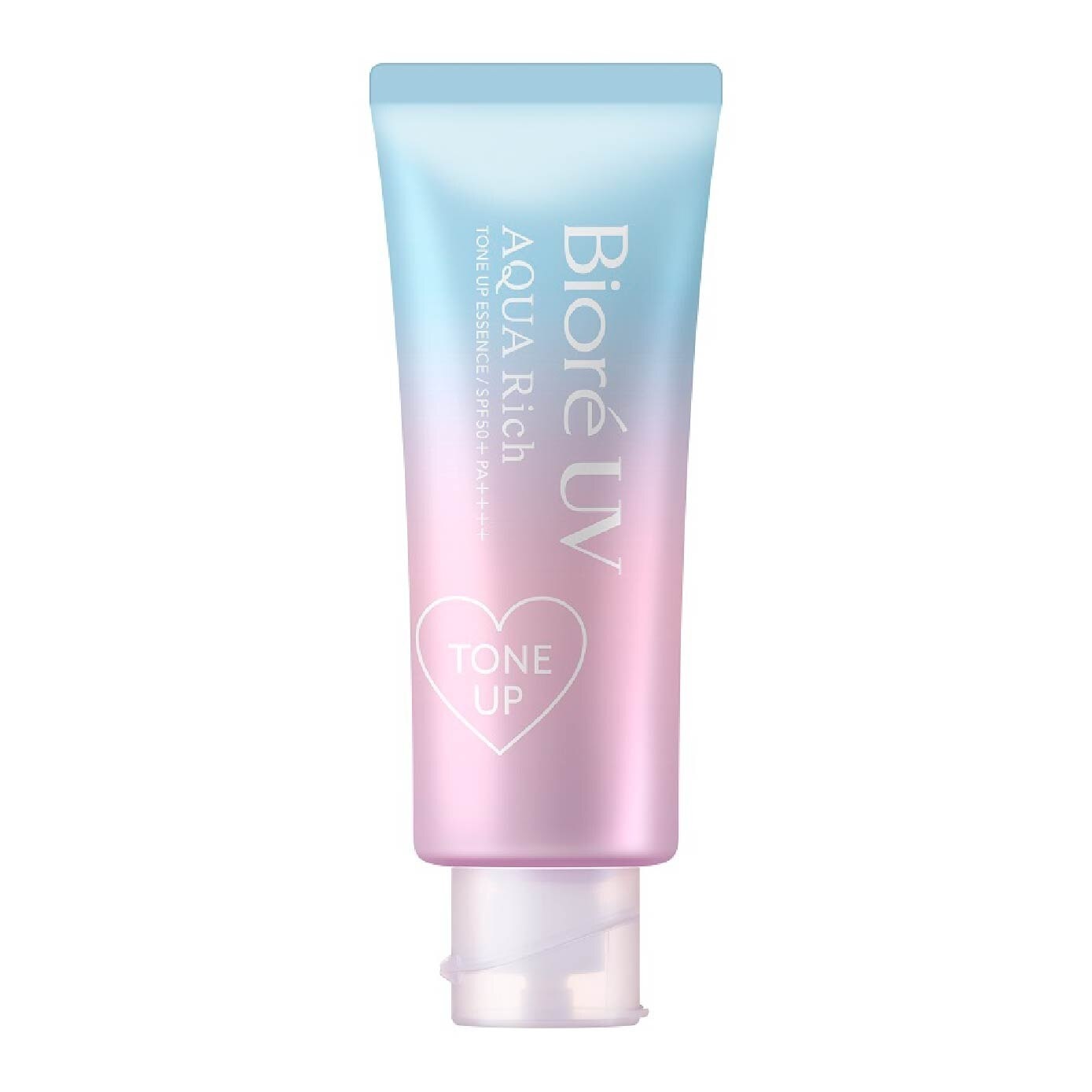 BioreBiore UV Aqua Rich Tone Up Essence SPF50+ PA++++ 70 gLavender-tinted sunscreen essence for face and body.S$27.43 is a lavender-tinted essence for face and body, and Torriden DIVE IN Tone Up Sun Cream
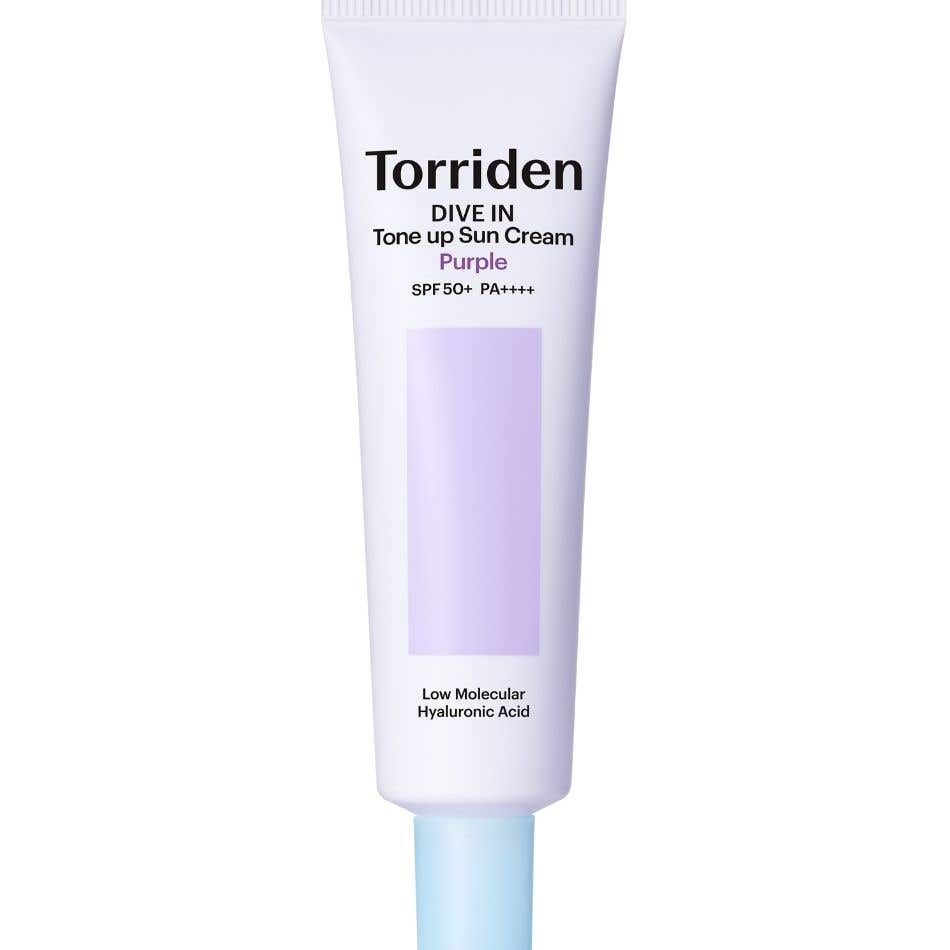 TorridenTorriden DIVE IN Tone Up Sun Cream SPF50+ PA++++ Purple 60mlTorriden DIVE IN Tone Up Sun Cream SPF50+ PA++++ — Purple, 60ml.S$21.20 comes in a purple variant.
Pink or rosy: adds warmth to pale or dull skin. La Roche-Posay UVIdea Anthelios Tone-Up Rosy+
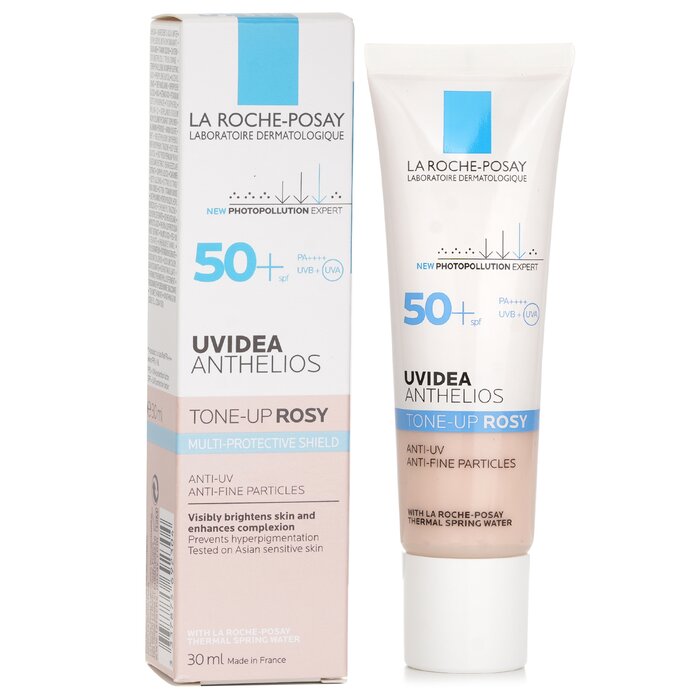 La Roche-PosayLa Roche Posay UVIdea Anthelios Tone-Up Rosy+ SPF50+ 30mlLa Roche-Posay UVIdea Anthelios Tone-Up Rosy+ SPF50+ is a rosy-tinted tone-up sunscreen for the face, in a 30ml tube.S$44.65 is a rosy tone-up from a dermocosmetic brand.
Light lavender essence: another sallowness-correcting veil. Skin Aqua Tone Up UV Essence SPF50+
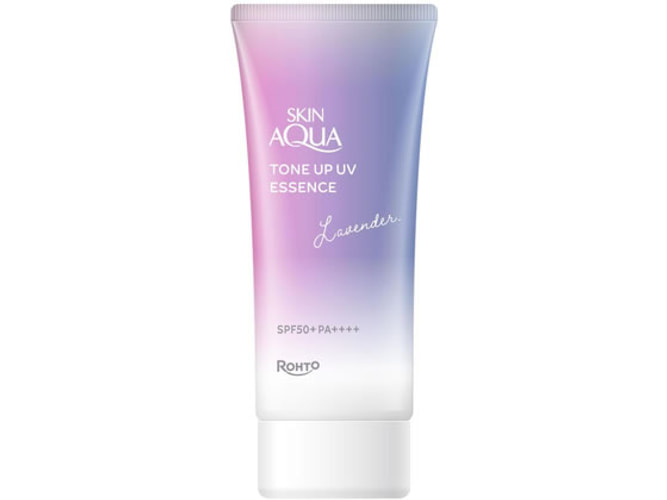 Skin AquaSkin Aqua Tone Up UV Essence SPF50+ 70gSkin Aqua Tone Up UV Essence 70g SPF50+. Serums and essences are skincare products used alongside cleansing and moisturising; their purpose depends on the formula.S$36.23 is a widely available Japanese option with a light essence texture.
Soft pink with soothing extras: SKIN1004 Centella Tone Brightening Tone-Up Sunscreen SPF50+
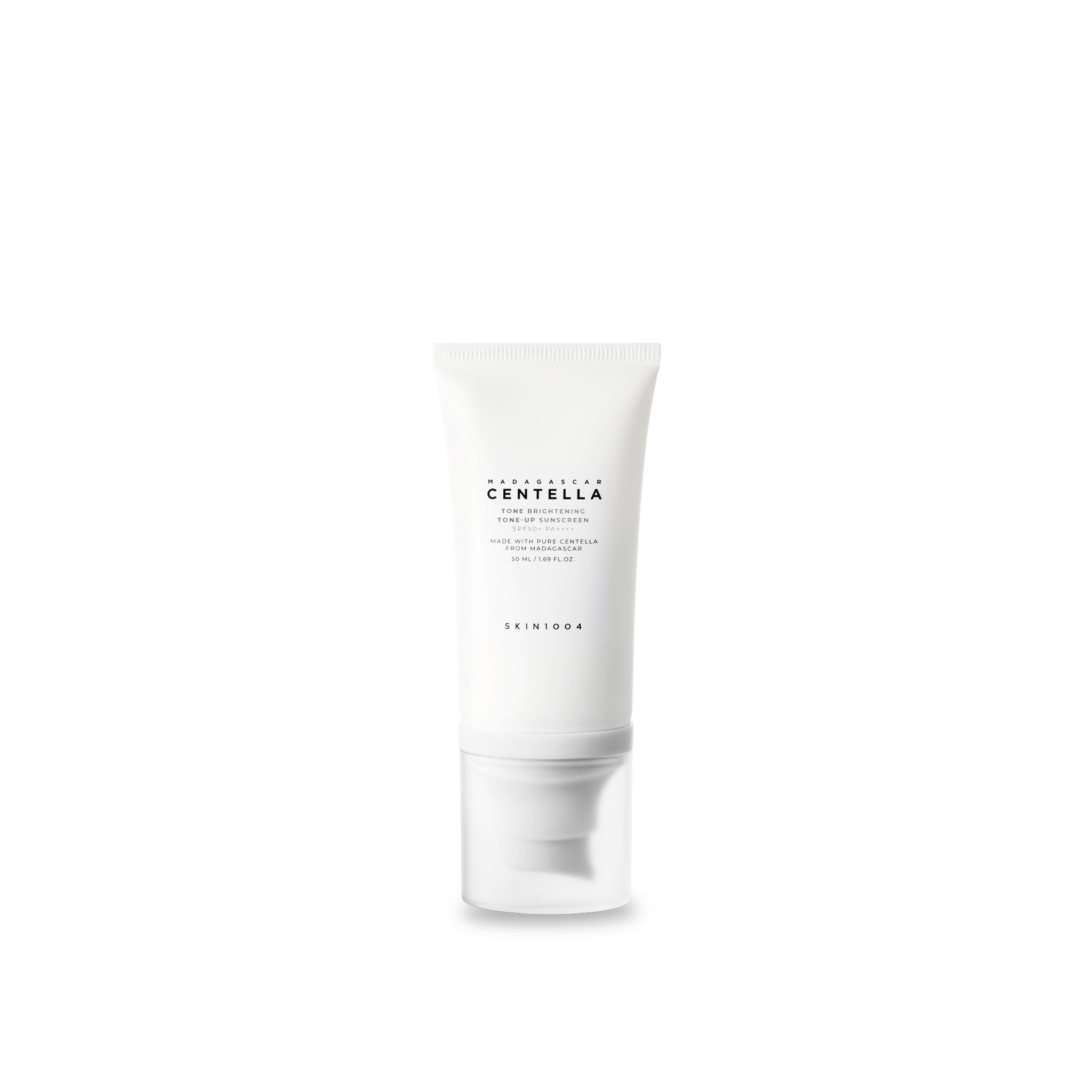 SKIN1004SKIN1004 Centella Tone Brightening Tone-Up Sunscreen SPF50+ 50mlDermatologically Tested. A Multi Tasking Sunscreen Protects Skin From Uv Rays With Powerful Board Spectrum Spf50+ While Improving Skin Tone.S$20.00 pairs a tone-up effect with centella, which is often chosen for calming.
Who tone-up sunscreen suits, and who should be careful
Tone-up sunscreens work well for:
Fair to light-medium skin that looks sallow, dull or tired
People who want a "no-makeup" look without foundation
Days when you want something quick before a commute
Be more careful if:
You have a medium to deep skin tone. Tone-up formulas can look grey, ashy or chalky. A clear or tinted sunscreen matched to your skin is usually better. See our guide on sunscreen for deeper skin tones.
You wear foundation. Tone-up can shift your foundation shade or look patchy underneath. Test before an important day.
You need to reapply often. Reapplying a tinted product over makeup can look uneven.
Brightening sunscreens without a tint
If you want the long-term benefits without the instant pale look, choose a clear sunscreen with brightening ingredients.
L'Oréal UV Defender Bright & Clear SPF 50+
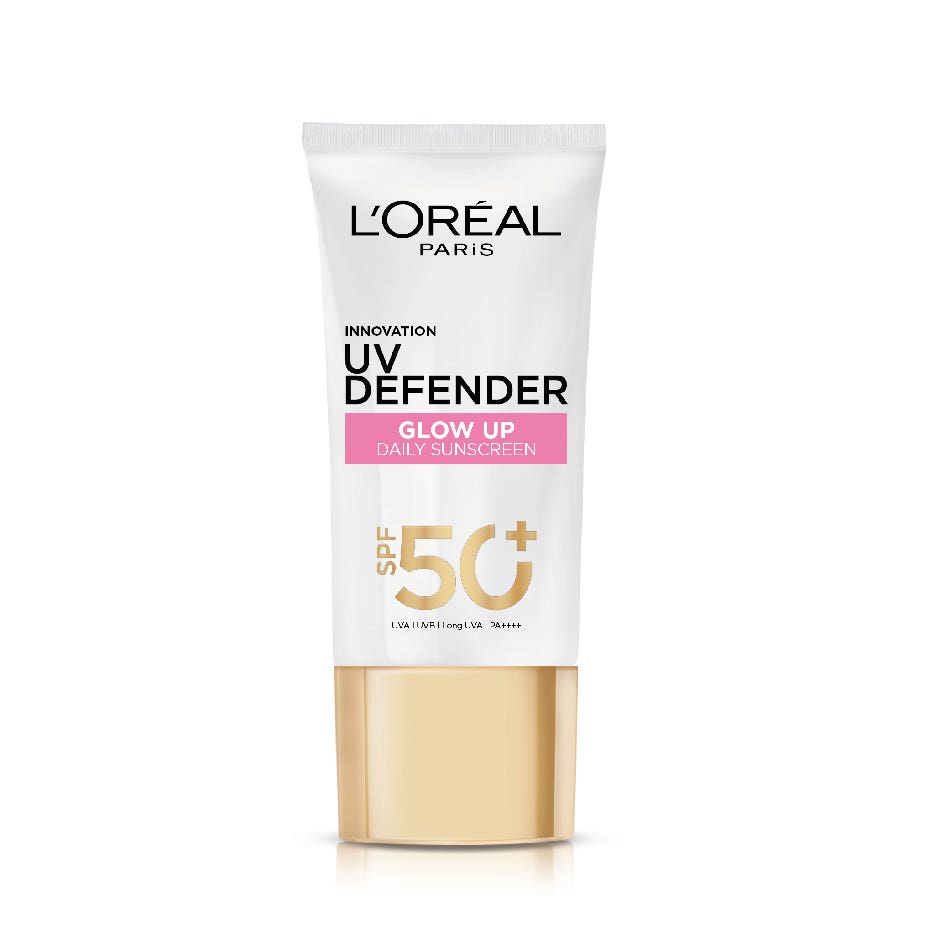 L'OréalL'Oréal UV Defender Bright & Clear SPF 50+ 50mlDaily facial sunscreen with niacinamide, SPF50+ PA++++.S$33.59 is a daily facial sunscreen with niacinamide.
Garnier Skin Active Vitamin C Daily UV Brightening Fluid Invisible SPF50+
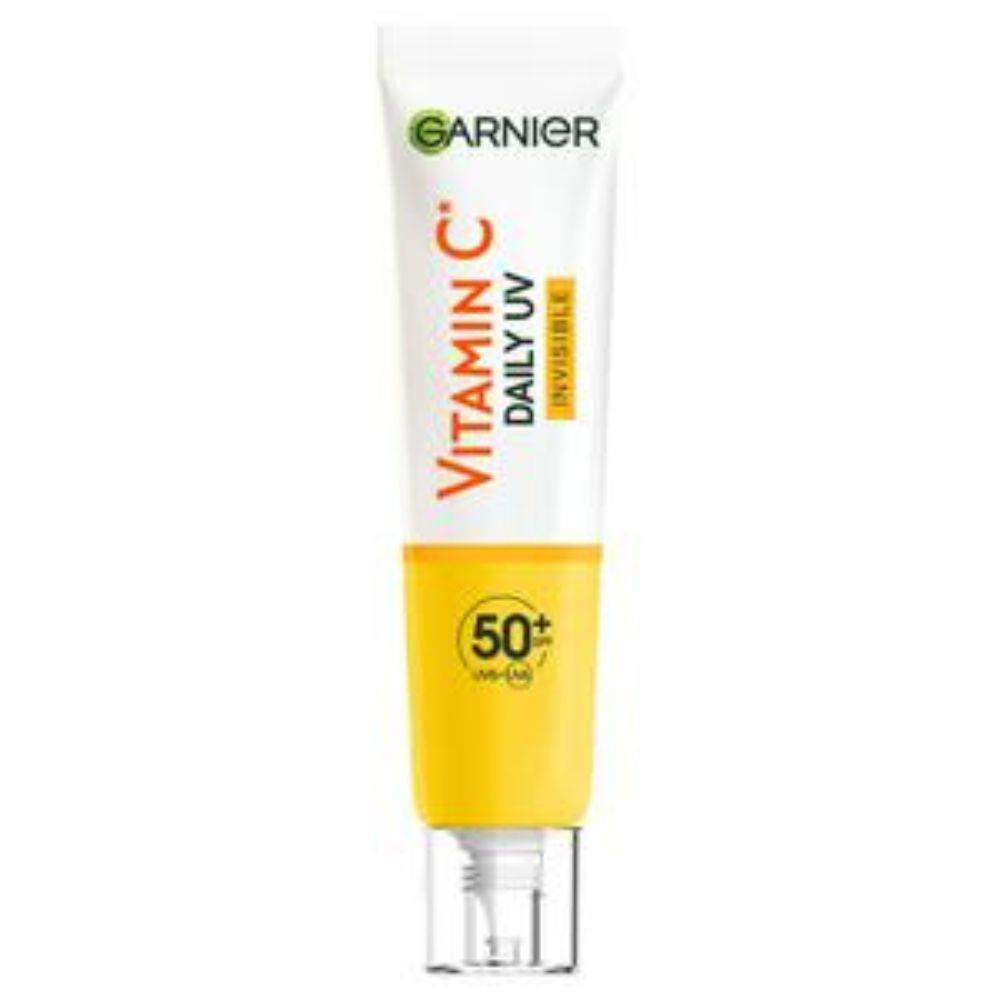 GarnierGarnier Skin Active Vitamin C Daily UV Brightening Fluid Invisible SPF50+ 40mlPerforming as both a moisturiser and a makeup primer, the Garnier Vitamin C Daily UV Invisible protects, hydrates and brightens skin.S$19.29 is designed to work as both a moisturiser and a makeup primer.
La Roche-Posay Anthelios UVMune 400 Anti-Dark Spots Fluid SPF50+
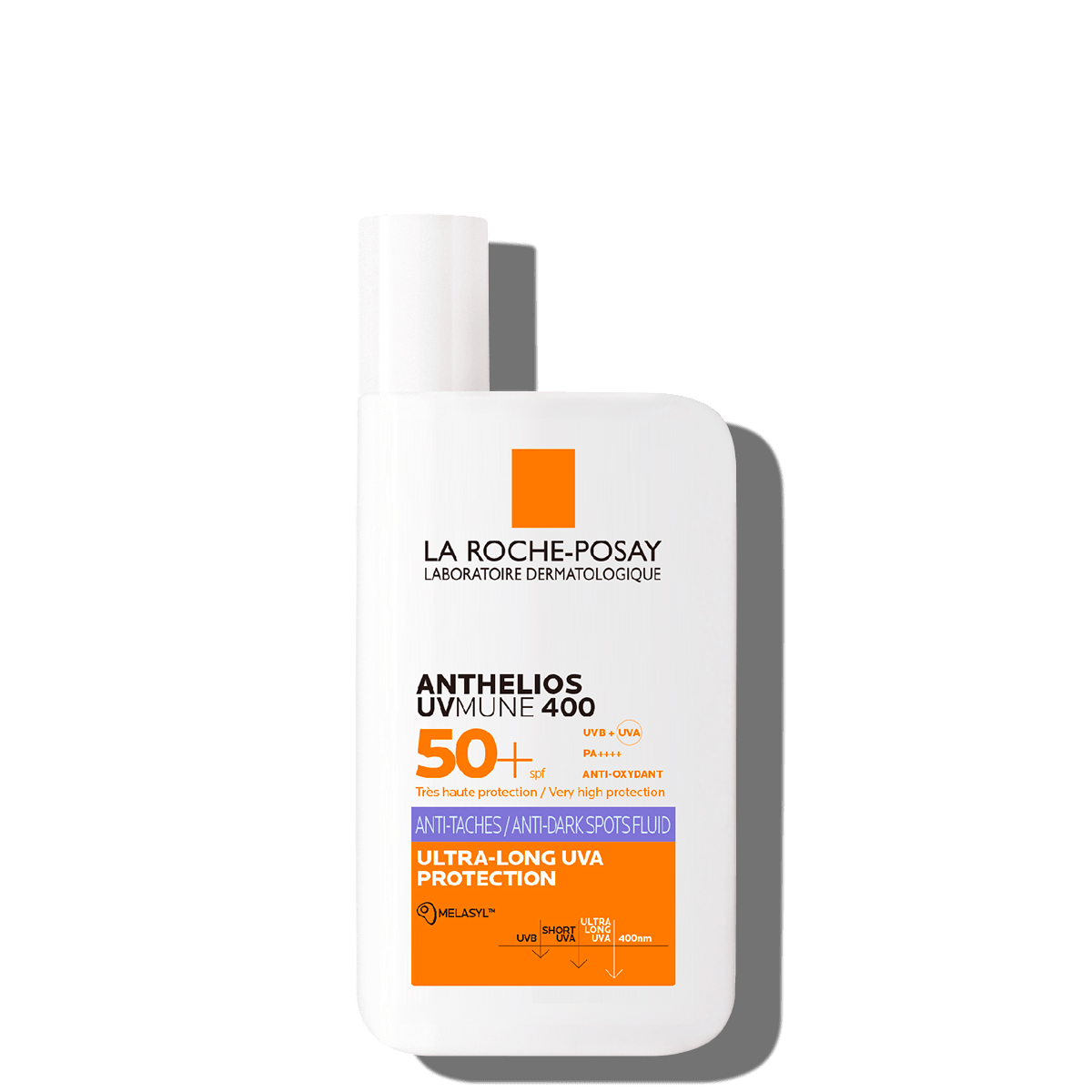 La Roche-PosayLa Roche-Posay Anthelios UVMune 400 Anti-Dark Spots Fluid SPF50+ 50 mLLightweight SPF50+ PA++++ facial sunscreen fluid with Mexoryl 400 and Melasyl.S$52.36 is a lightweight fluid with Mexoryl 400 and Melasyl, aimed squarely at people concerned about dark spots.
These are often the better daily choice for people with post-acne marks or melasma, because they put protection first without changing how your skin looks in photos.
Getting realistic results
Use enough. About two finger-lengths for face and neck. Tone-up products tempt people to apply less because they look obvious; that reduces protection.
Reapply on outdoor days. Dark marks respond to cumulative sun exposure, including hawker queues, carpark walks and lunchtime errands.
Pair with a treatment if needed. For stubborn marks, a separate serum with niacinamide, vitamin C or tranexamic acid usually does more than the brightening ingredients in a sunscreen. Our tranexamic acid guide and vitamin C guide explain the options.
Be patient. Dark marks usually take months to fade. Our guide on how long dark marks take to fade sets out a realistic timeline.
When to see a doctor
If a dark patch is spreading, changing shape or colour, bleeding, or appeared suddenly, have it checked by a doctor rather than trying to brighten it. Melasma that does not respond to months of careful sun protection is also worth discussing with a dermatologist. Our guide on melasma, freckles and sun spots helps you tell them apart.
Bottom line
Tone-up sunscreens brighten instantly by sitting on top of your skin, and the effect washes off. Brightening ingredients add a modest bonus. The real, lasting benefit comes from daily high protection that stops marks getting darker. Choose a tint that suits your skin tone, or a clear brightening formula if you have medium to deep skin or wear foundation, and apply enough every day.

