Facial Sunscreen in Singapore: Choosing a Sunblock for Your Face by Skin Type
Oily, dry, combination, sensitive or acne-prone: the right face sunscreen is the one your skin type will tolerate every single morning. Textures, finishes and example picks for each.
There is no single best facial sunscreen. There is the one that suits your skin well enough that you put it on every morning without thinking, and keep reapplying when you are out in the midday heat. In Singapore, where UV is high all year and humidity makes heavy textures feel worse, that "would actually wear it" test matters more than any marketing claim.
This guide sorts face sunscreens by skin type, explains what textures and finishes tend to work for each, and suggests a few examples to start with. For the basics of daily use, see our daily sunscreen guide. If you need help with SPF and PA ratings, our guide to reading sunscreen labels covers them.
What every face sunscreen should have
Whatever your skin type, start with three non-negotiables:
SPF 30 or higher, and in practice most people in Singapore choose SPF 50 or 50+
Broad-spectrum or high PA protection, so UVA is covered as well as UVB
A texture you enjoy, because the right amount is roughly two finger-lengths for face and neck, and you will not use that much of something you dislike
After that, your skin type decides the rest.
Oily skin
Oily skin in Singapore usually wants a sunscreen that sinks in fast and does not add shine by lunchtime.
Look for: fluid, watery essence, gel or "matte" finishes; words like "oil control", "dry touch" or "aqua".
Avoid: rich creams, "dewy" or "glow" finishes if shine bothers you.
Examples:
La Roche-Posay Anthelios
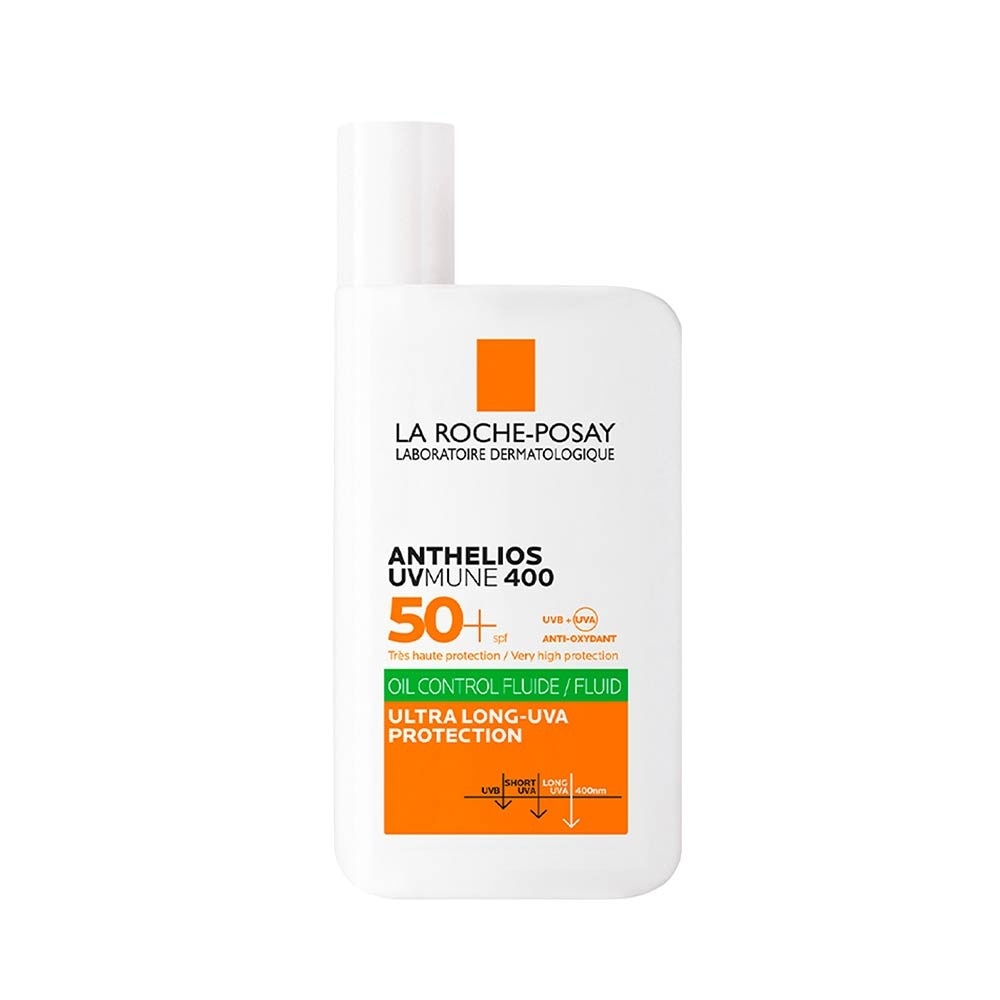 La Roche-PosayLa Roche-Posay Anthelios UVMune 400 Oil Control Fluid - 50mlLa Roche-Posay Anthelios UVMune 400 Oil Control Fluid 50ml is a 50ml facial sunscreen fluid.S$43.16, a dermocosmetic range with oil-control fluid options for sensitive skin
Uriage Bariésun Ultra-Matte Aqua Fluid SPF50+
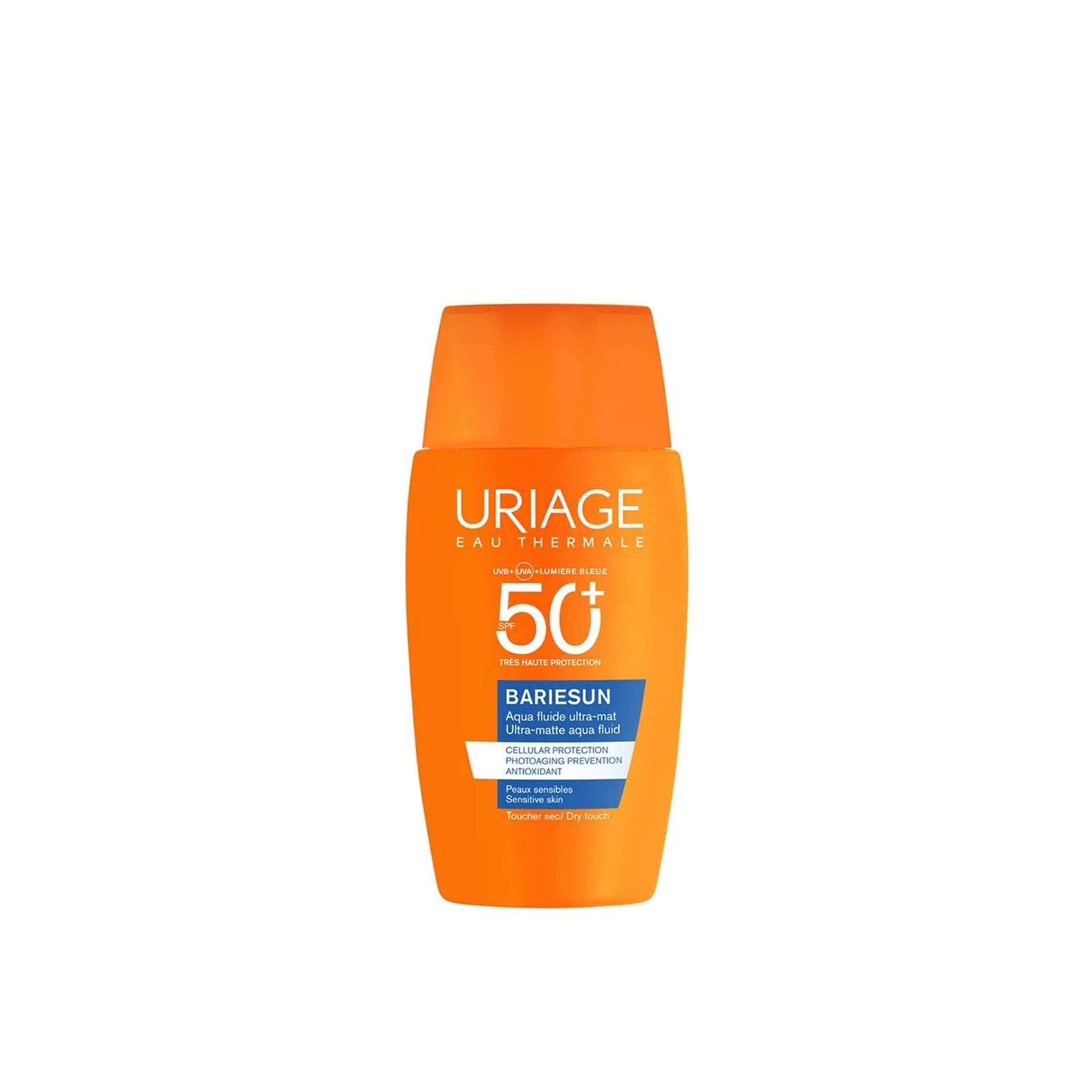 UriageUriage Bariésun Ultra-Matte Aqua Fluid SPF50+ 50mlA lightweight SPF50+ sunscreen fluid with a matte finish. One 50 ml bottle.S$51.59, a lightweight fluid with a matte finish
Biore UV Aqua Rich Watery Essence
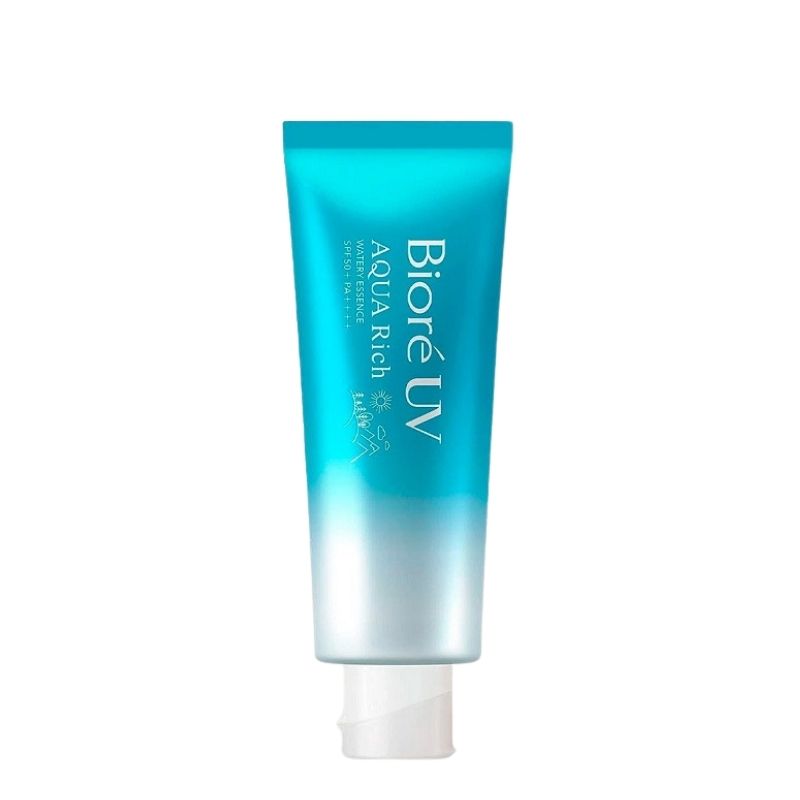 BioreBiore UV Aqua Rich Watery Essence SPF50PA++++70mlThe refreshing water base keeps your skin feeling smooth and non-sticky all day long.S$22.59, a very light Japanese essence texture with a non-sticky feel
Tip: oily skin still needs a little moisturiser underneath, or skin may compensate with more oil in an air-conditioned office. A light gel is enough.
Acne-prone skin
Acne-prone skin needs everything oily skin needs, plus gentleness. Many acne treatments make skin more sensitive, and a sunscreen that stings will not get used.
Look for: light fluids or serums, ideally labelled non-comedogenic or designed for blemish-prone skin.
Example: Eucerin Sun Serum Oil Control SPF50+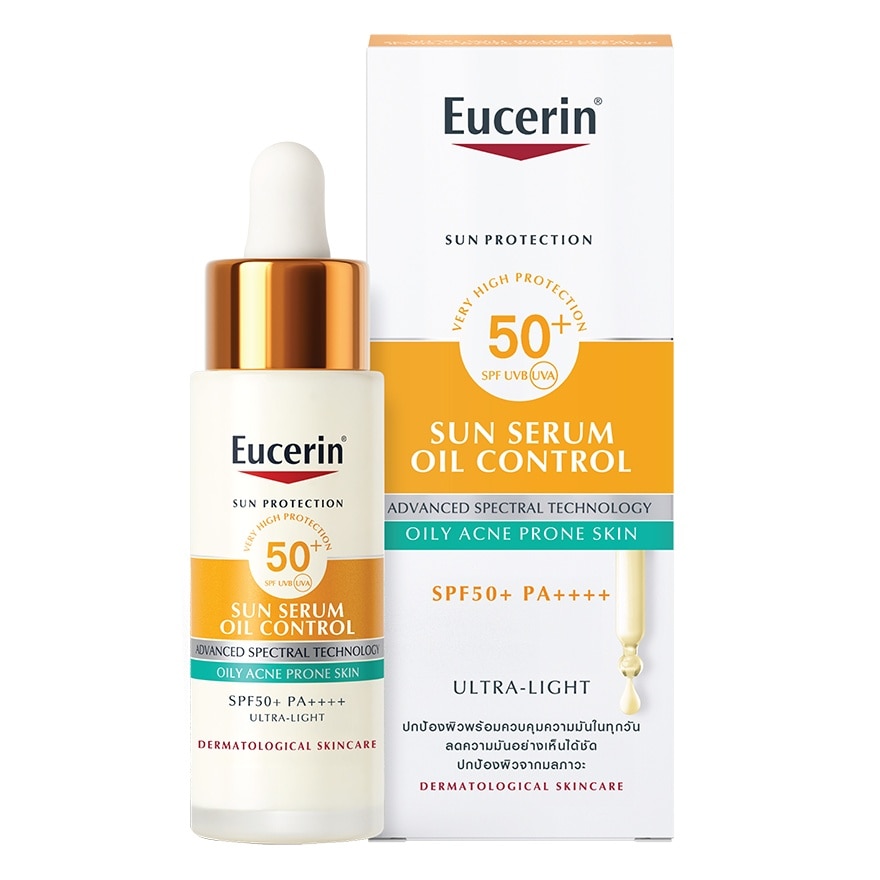 EucerinEucerin Sun Serum Oil Control SPF50+ 30mlEucerin Sun Serum Oil Control SPF50+, one 30 ml retail pack.S$39.27, a serum-texture facial sunscreen from Eucerin's oil-control range.
If you use benzoyl peroxide or retinoids, apply sunscreen every morning without exception. Our guide on sunscreen for acne-prone skin goes into textures in more detail.
Dry skin
Dry skin often finds that watery Japanese essences feel fine in the morning but leave skin tight by afternoon, especially under air-con.
Look for: lotions, creams or "moisturising" sunscreens; ingredients like ceramides, glycerin or hyaluronic acid.
Examples:
CeraVe Invisible Hydrating Fluid Sunscreen SPF50+
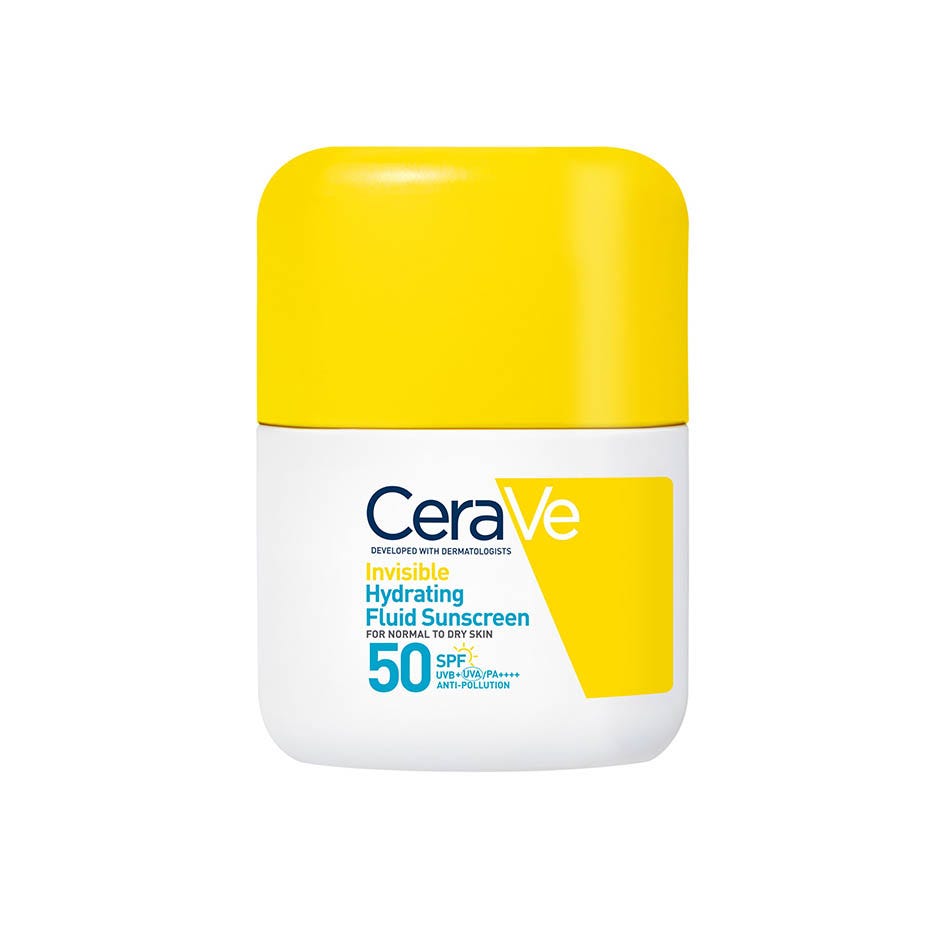 CeraVeCeraVe Invisible Hydrating Fluid Sunscreen SPF50+ For Normal To Dry Skin 50mlCeraVe Invisible Hydrating Fluid Sunscreen SPF50+ For Normal To Dry Skin 50ml is a sunscreen in a 50ml pack.S$34.21, labelled for normal to dry skin
Round Lab Birch Juice Moisturizing Sunscreen SPF 50+ PA++++
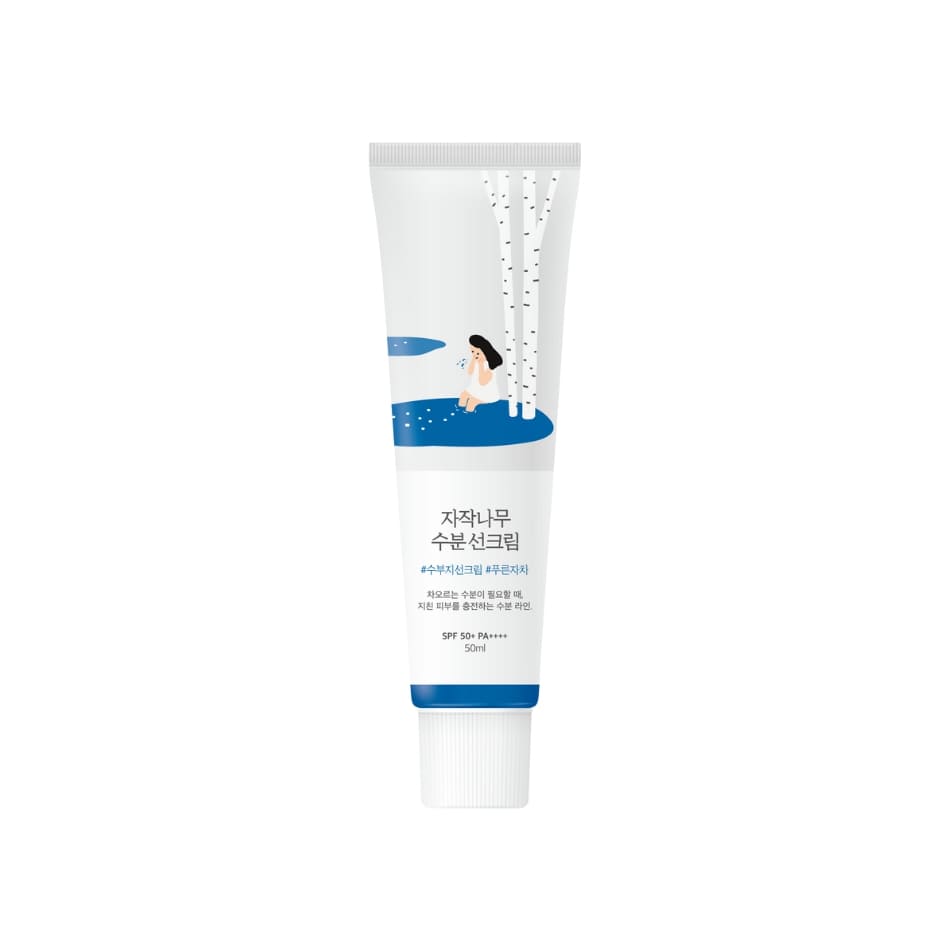 Round LabRound Lab Birch Juice Moisturizing Sunscreen SPF 50+ PA++++ 50mlA moisturizing sunscreen protects your skin from harmful UV and replenishes and hydrates your skin.S$33.44, a K-beauty sunscreen pitched on hydration
Tip: if your sunscreen pills over your moisturiser, give the moisturiser a few minutes to set first, or try a moisturising sunscreen and skip a separate cream on humid days.
Combination skin
Combination skin is very common in Singapore: an oily T-zone and normal or drier cheeks. You want something light enough for the nose and forehead but not drying on the cheeks.
Look for: lightweight creams, sun serums and "aqua" or "fresh" textures.
Examples:
Beauty Of Joseon Relief Sun Aqua-Fresh: Rice + B5
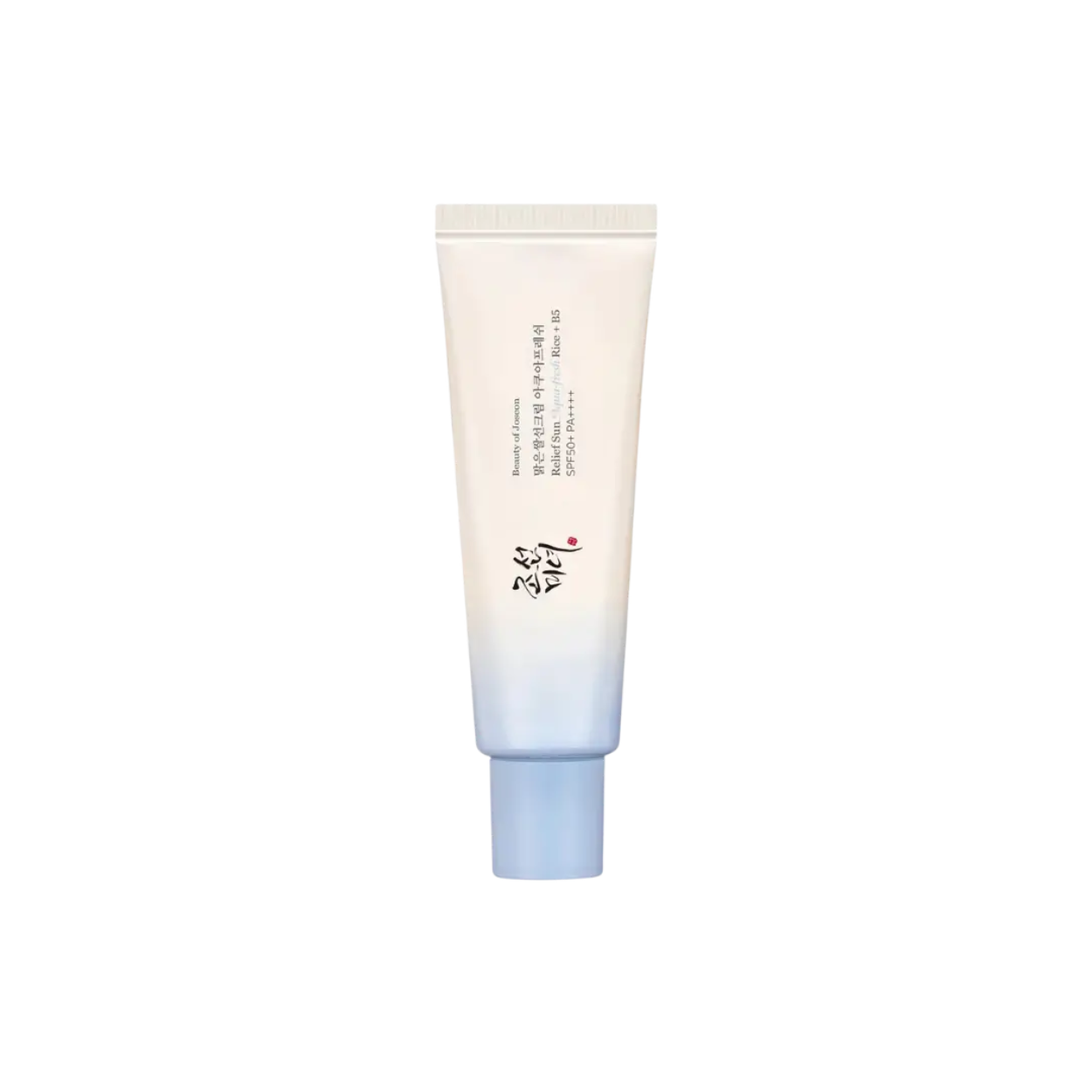 Beauty Of JoseonBeauty Of Joseon Relief Sun Aqua-Fresh: Rice + B5 [ SPF 50+ PA ++++] 50g-Revitalizes skin stressed by UV and heat.
-Blends effortlessly into the skin without leaving a white cast or greasy residue.
-Lightweight formula provides a fresh finish, even with multiple layers.S$31.16, a lighter version in the popular Relief Sun line
SKIN1004 Centella Air-Fit Suncream Plus
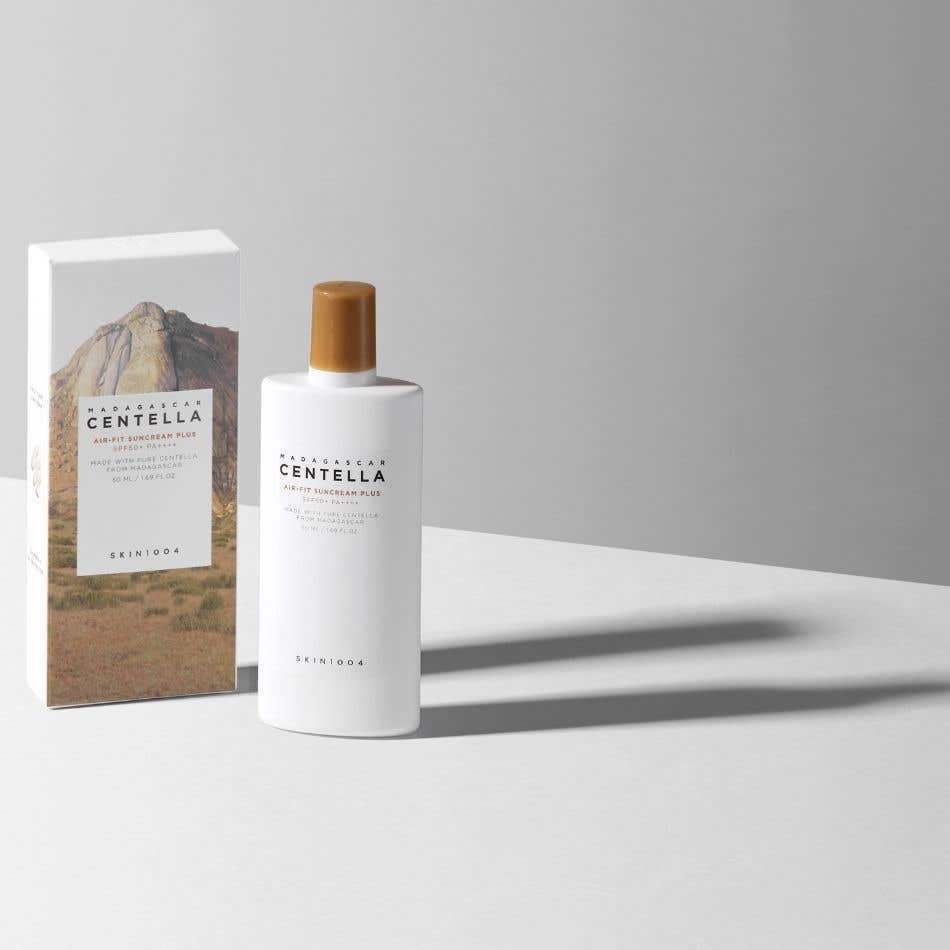 SKIN1004Skin1004 Centella Air-Fit Suncream Plus SPF50+ PA++++ 50mlDeflect UV rays Effectively soothing the skin with Centella Asiatica Extract Extra hydration with multiex BASAM Natural tone-up without any white castS$31.94, which contains centella extract and gives a natural tone-up without a white cast
Sensitive skin
Sensitive skin needs sunscreen just as much, but tolerance varies hugely from person to person. Some people with sensitive skin do best with mineral (physical) filters; others are fine with modern chemical filters and find mineral formulas drying.
Look for: fragrance-free formulas, short ingredient lists, "sensitive skin" positioning, and mineral options if chemical filters sting.
Examples:
Skin Aqua Physical Sunscreen SPF50+ PA++++
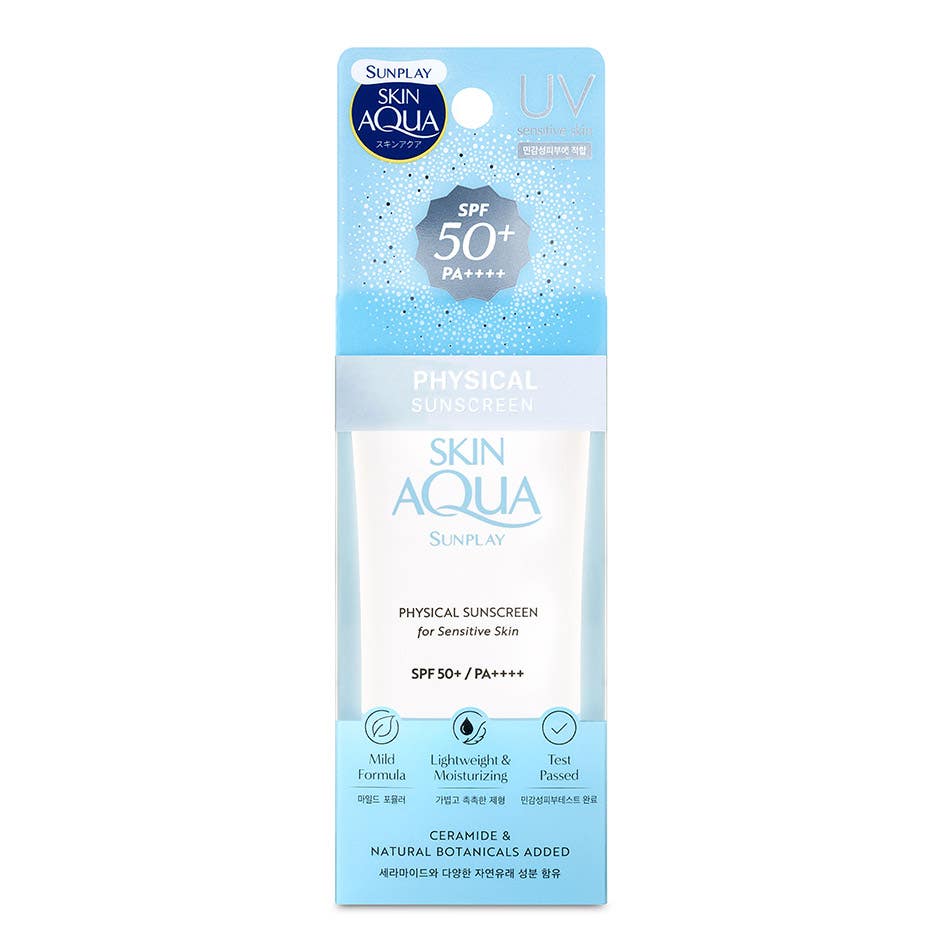 Skin AquaSkin Aqua Physical Sunscreen SPF50+/PA++++ 50ml100% physical sunscreen with SPF 50+ PA++++ provides broad spectrum UVA and UVB protection for sensitive skin.S$26.35, a 100% physical sunscreen aimed at sensitive skin
Avene Ultra Fluid SPF50+ Sunblock Invisible
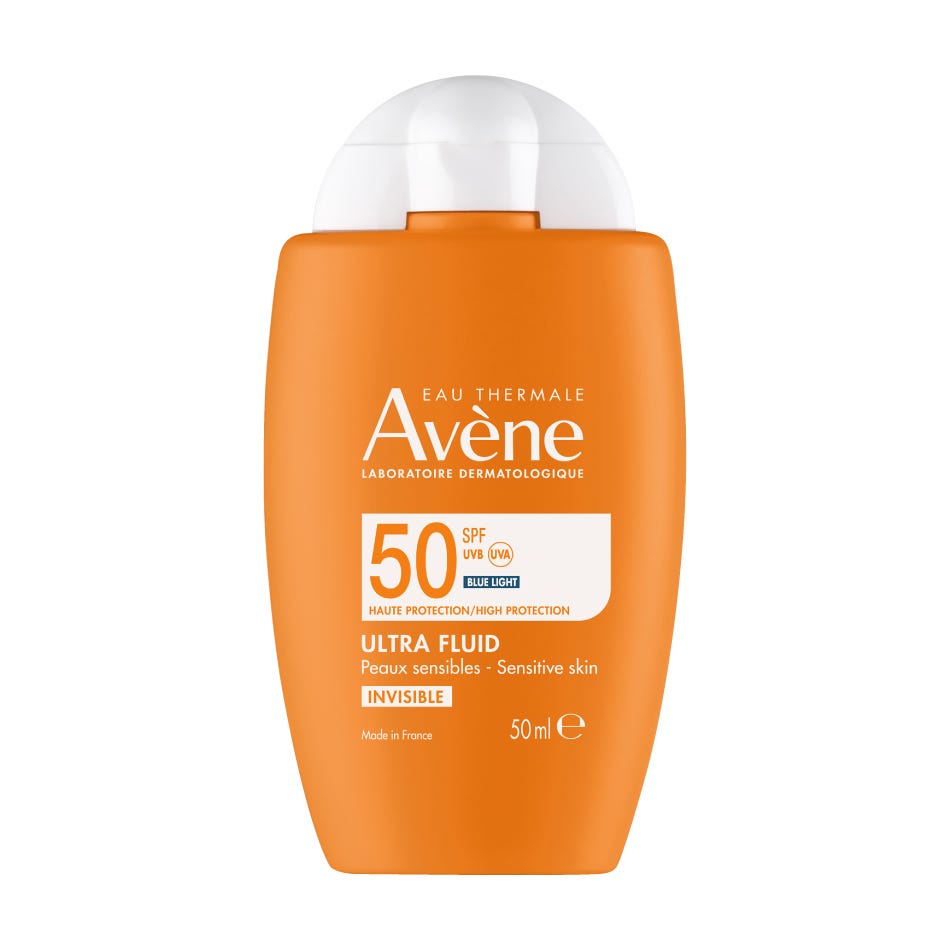 AveneAvene Ultra Fluid SPF50+ Sunblock - Invisible 50mlUltra Fluid INVISIBLE SPF50 offers high daily protection against UVB, UVA and HEV blue light to prevent photoaging.
HIGH PROTECTION:
This product contains TriAsorB, a broad-spectrum sun filter that protects against UV rays and beyond, even against blue light. It protects against the acceleration of skin aging.
ULTRA FLUID TEXTURE:
Its [water-like] technology offers a texture as light as water, an imperceptible finish and a sensation of bare skin after application, making it the perfect make-up base.
Its high-tolerance, fragrance-free, water-resistant formula has been developed for sensitive skin.S$60.39, a fluid from a brand built around sensitive skin
If sunscreen stings around your eyes specifically, see our guide on sunscreen that stings the eyes. For a fuller look at filter types, read mineral vs chemical sunscreen for Singapore skin tones.
Normal skin
Lucky you: almost any texture can work. Choose by finish (matte, natural or dewy), by how it sits under makeup if you wear it, and by what you will happily reapply.
Texture and finish, quickly decoded
Essence or watery gel: lightest feel, popular in Japan; can feel drying for some.
Fluid: thin lotion, often matte or natural; a good default for oily and combination skin.
Sun serum: light and slippery, sits well under makeup.
Milk: shake-before-use liquids, often water-resistant; good for outdoor days but need a proper cleanse at night.
Cream: more cushioned, suits dry skin.
Tone-up: adds a pale or tinted veil; can look ashy on deeper skin tones.
Office days vs outdoor days
Your skin type is only half the decision. The other half is what your day looks like, and many people in Singapore do well with two sunscreens rather than one.
Office and commute days
If most of your day is indoors, with a walk to the MRT, a hawker lunch and a commute home, comfort and finish matter most. A light fluid or essence that sits well under makeup is ideal. Water resistance is less important, and lighter formulas are easier to cleanse off at night. Our guide on sunscreen indoors explains how much protection a desk-by-the-window day really needs.
Outdoor, sport and beach days
Running at East Coast, a weekend at Sentosa, a football match or a day of outdoor errands all call for something sturdier. Look for "water resistant" or "sweat resistant" on the pack, use a generous amount, and reapply after towelling off. These formulas often feel heavier and need a more thorough cleanse at night, which is why many people keep them for weekends only. See our sports and swimming sunscreen guide for more.
Reapplying over makeup
Reapplying a cream over foundation is messy. Sun sticks, cushions and mists are easier, though most people under-apply them, so treat them as a top-up rather than the main layer. Our guide to reapplying sunscreen over makeup walks through the options.
A quick note on price
More expensive does not mean more protective. A sunscreen's SPF and PA rating tell you the protection level; price mostly reflects texture, brand and extra ingredients. If cost is stopping you from applying enough, a more affordable option you use generously beats a premium one you ration.
Getting the most from whatever you choose
Apply enough: about two finger-lengths for face and neck.
Apply as the last skincare step in the morning, before makeup.
Reapply after sweating heavily, swimming or wiping your face, and every two hours or so when you are outdoors.
Do not forget your ears, neck and the backs of your hands; our guide to forgotten areas explains why.
When to see a doctor
If any sunscreen you try triggers a persistent rash, swelling or itching, stop it and see a doctor or pharmacist; a patch test can help find the cause. Also see a doctor about any mole or spot that changes in size, shape or colour, or a sore that does not heal.
Bottom line
Choose your facial sunscreen by skin type first and brand second: light fluids and essences for oily skin, gentle serums for acne-prone skin, moisturising lotions for dry skin, light creams for combination skin, and fragrance-free or mineral options for sensitive skin. The best one is the one you will wear every day.

